



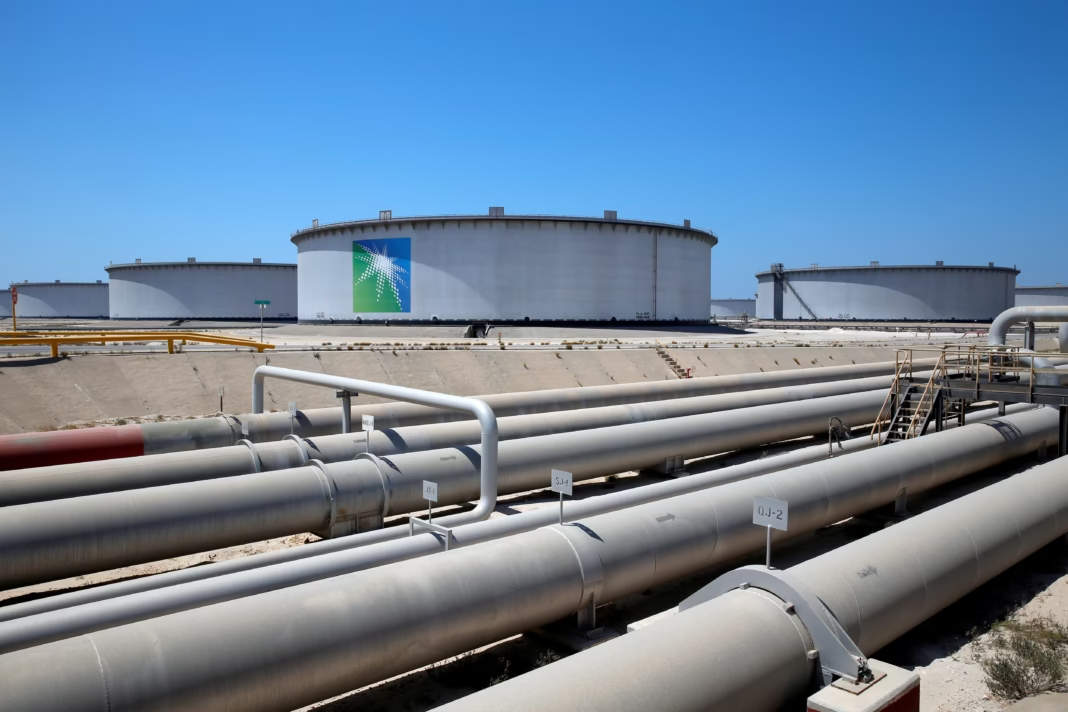
Saudi Arabia plans to boost its crude oil exports to China, with allocations set to reach about 49.5 million barrels in January. This marks the highest monthly volume since October. The rise follows a recent reduction in official selling prices to Asian buyers. Saudi Crude Supply to China reflects the kingdom’s strategy to maintain market share in the region while responding to global energy demand.
The increase comes amid strong energy consumption in China and growing demand for Middle Eastern crude. Sources indicate that this allocation demonstrates Saudi Arabia’s ongoing commitment to strategic partnerships in Asia. Furthermore, the January shipment will help stabilize oil flows and ensure supply reliability amid fluctuating global prices.
Saudi officials have emphasized that competitive pricing underpins the decision to raise allocations. By lowering official selling prices, the kingdom aims to enhance its appeal in a competitive market. Analysts note that these measures could influence regional crude benchmarks and reinforce Saudi Arabia’s position as a leading oil supplier to China.
China remains one of the world’s largest importers of crude oil. The January allocations are expected to support both industrial and strategic stockpiling needs in the country. Moreover, Saudi Crude Supply will play a role in balancing domestic and international energy requirements, ensuring uninterrupted refinery operations.
This move aligns with Saudi Arabia’s broader export strategy for 2026, targeting key Asian markets while maintaining flexible production levels. Industry observers suggest that continued high-volume shipments may strengthen long-term trade relationships with China. Additionally, these exports are likely to impact pricing dynamics across regional benchmarks.
Analysts also highlight the geopolitical significance of reliable oil flows from Saudi Arabia to Asia. In a volatile global market, predictable supply chains remain crucial for energy security. Saudi Crude Supply to China underscores Riyadh’s ability to respond to both market demand and strategic priorities.
Looking ahead, Saudi Arabia may adjust allocations further based on demand trends, refining capacity, and price dynamics. Stakeholders expect continued monitoring of both official selling prices and regional consumption patterns to guide future supply decisions.