



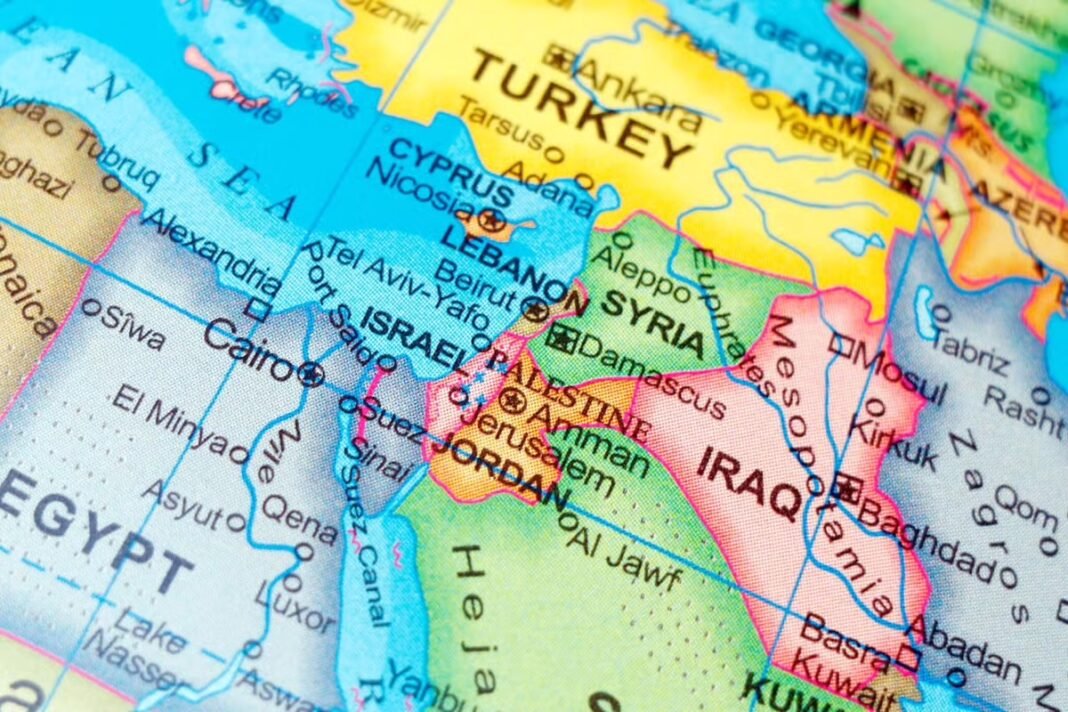
Mideast contracts powered a strong year for Wood after the company secured more than one billion dollars in awards. The Aberdeen-based engineering and consulting group confirmed the milestone in December, highlighting sustained demand across key regional markets. Executives described the achievement as significant because it came during a period of financial and regulatory pressure.
Moreover, Wood reported that contract awards increased by nearly twenty percent compared with the previous year. These Mideast contracts covered the United Arab Emirates, Iraq, Saudi Arabia, Bahrain, Kuwait, Oman, and Qatar. Consequently, the company reinforced its operational footprint across several core energy-producing economies.
Senior leadership credited continued client confidence for the steady flow of awards during 2025. Ellis Renforth, who oversees operations across Europe, the Middle East, and Africa, emphasized improved asset reliability and emissions reduction. He noted that project teams delivered practical solutions supporting both efficiency and sustainability goals.
Meanwhile, management outlined plans to expand operations and maintenance services across the region in 2026. Therefore, Wood will prioritize asset management, facility modifications, and efficiency upgrades to reduce downtime. These efforts aim to strengthen energy security while advancing decarbonization strategies.
In addition, Wood expanded its regional advisory capabilities by launching dedicated energy transition and digital hubs. Executives explained that these platforms help clients accelerate emissions reduction using artificial intelligence tools. Furthermore, advisory work now supports hydrogen projects, carbon capture infrastructure, and minerals procurement initiatives.
Several large projects reinforced Wood’s presence during the year. In the United Arab Emirates, the company secured a consultancy role for a major methanol production facility. The plant is scheduled for completion by 2028 and will produce approximately 1.8 million tonnes annually.
Similarly, Wood won a multibillion-dollar contract supporting natural gas processing expansions at the Habshan complex. The scope includes facility upgrades, debottlenecking solutions, and pipeline modifications across existing assets. More than five hundred specialists based in Abu Dhabi will support delivery alongside global engineering teams.
Elsewhere, Wood expanded activity in Iraq through engineering and project services at the West Qurna One oilfield. Nearly two hundred employees based in Iraq and the UAE will deliver the scope. These Mideast contracts highlight long-term partnerships with national and international energy operators.
However, the company continues navigating financial challenges alongside operational success. Revenue declined during the first half of 2025 due to project delays and reduced pass-through activity. Uncertainty surrounding financial disclosures also slowed bid progression and contract mobilization.
Nevertheless, Wood’s order book increased year on year to about 6.5 billion dollars by mid-2025. Operations activity drove much of that growth, supported by strong demand for asset optimization. Executives stressed that energy security priorities continue supporting regional investment.
Looking ahead, Wood expects improved confidence following audited financial results and a proposed takeover. If approved, the deal should inject capital and restore operational certainty. Ultimately, leadership believes Mideast contracts will remain central to rebuilding momentum and sustaining regional growth.

