



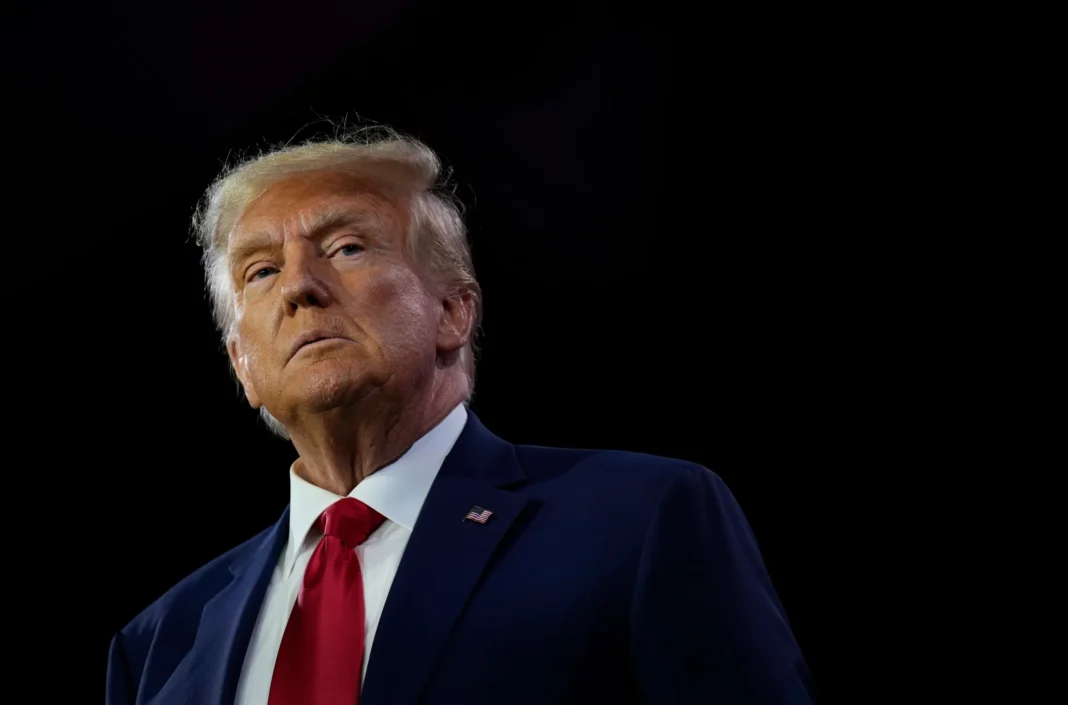
US President Donald Trump has made it clear that Venezuela oil minerals are central to his administration’s latest foreign policy agenda. Following past interventions like Iraq, the recent capture of Venezuelan President Nicolas Maduro underscores Washington’s strategic focus on energy and resource control.
Historically, US interventions were justified with security and ideological narratives, such as in Iraq in 2003. At that time, weapons of mass destruction and links to terrorism were cited. However, analysts now argue that Venezuela oil minerals, rather than ideological motives, are the main objective. This marks a direct shift in US foreign policy priorities.
Venezuela holds the world’s largest proven oil reserves, totaling 303 billion barrels, almost one-fifth of global resources. Production remains under 1% of global output due to sanctions and mismanagement. Trump announced that the interim government will transfer 30–50 million barrels of oil to the US. This move could generate approximately $2.75 billion at current market prices. Meanwhile, Venezuela oil minerals, including gold, diamonds, iron ore, and bauxite, remain key targets for US technology and defense sectors.
The administration’s interest in strategic minerals is not limited to Venezuela. Greenland and Colombia also hold large deposits of rare earths vital for high-tech manufacturing. Greenland alone has 1.5 million metric tonnes of largely untapped rare earths. Trump has suggested securing the island could occur within months, citing mineral wealth alongside national security concerns involving Russia and China.
Economist Jeffrey Sachs described the Venezuela operation as a return to transactional power politics. He emphasized that the mission is about energy and critical resources, not drug networks or ideology. Similarly, US Commerce Secretary Howard Lutnick has pushed to revive Venezuela’s mining sector, highlighting steel, precious metals, and other critical minerals.
Trump’s approach signals a bold and unapologetic US pursuit of global resources. By explicitly targeting Venezuela oil minerals, following lessons from Iraq, the administration shows that energy and strategic minerals now outweigh traditional diplomatic narratives. This approach also reflects Washington’s broader aim to secure global supply chains and reduce reliance on China.