



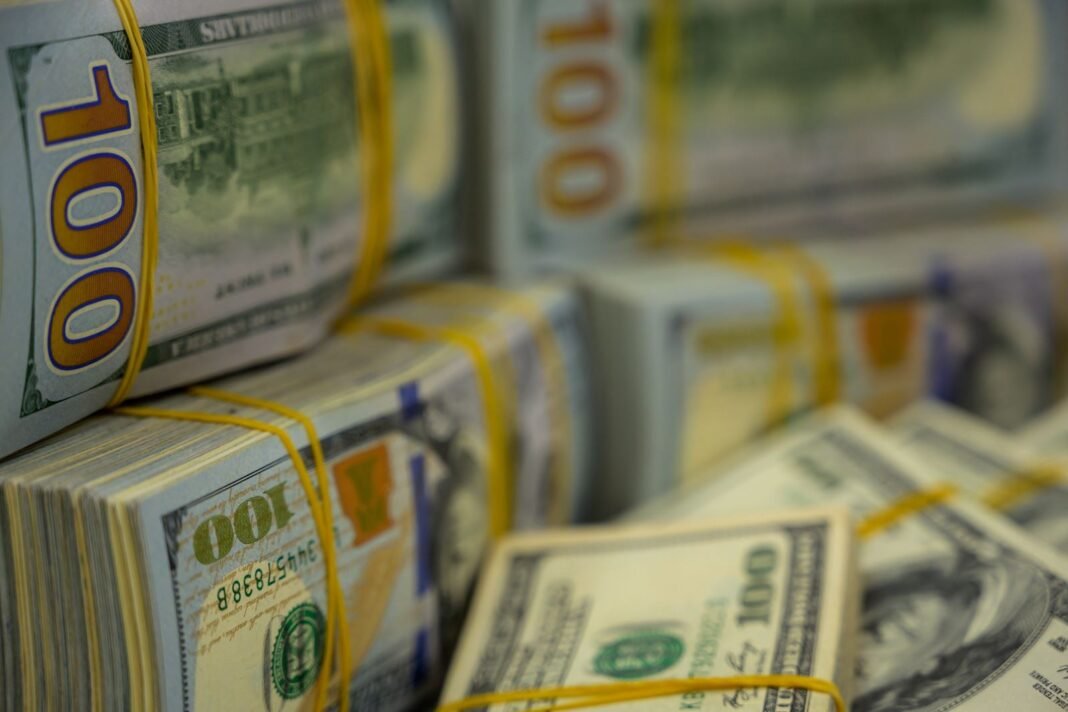
Dollar fluctuations in Iraq’s parallel market have raised public concern, but experts say the impact is temporary and manageable. The key phrase, dollar fluctuations, highlights the recent rise of the U.S. dollar against the Iraqi dinar.
On January 5, the parallel exchange rate reached 149,000 dinars per $100. By January 7, it eased to about 146,000 dinars per $100. Consequently, prices of goods and commodities in local markets experienced slight increases.
Economic specialists emphasized that the changes do not indicate a monetary crisis. Instead, they see the shifts as short-term market adjustments. According to officials, measures by the Central Bank of Iraq (CBI) have contained volatility and limited broader risks.
The Prime Minister’s Financial Advisor, Mudher Mohammad Saleh, confirmed the exchange rate movements are temporary. He stated that these shifts do not reflect a structural imbalance in the Iraqi economy. Moreover, he noted that income and consumption levels remain largely stable.
Economist Nabil Al-Abadi explained that dollar fluctuations stem from both internal and external factors. He said Iraq’s dependence on oil revenues makes the economy sensitive to global price changes, affecting the balance of payments and exchange rates.
Al-Abadi added that policies to reduce dollarization and tighter oversight of official dollar sales have pushed part of the demand toward the parallel market. Furthermore, the limited strength of the local productive sector reduces alternative sources of foreign currency, exacerbating the trend.
He also mentioned new customs procedures under the ASYCUDA system. These measures require prior documentation to access dollars at official rates. Consequently, some traders turned to the parallel market to meet urgent financial needs.
Speculation and rumors have amplified short-term dollar fluctuations, Al-Abadi said. He added that regional and international geopolitical tensions increase demand for hard currencies as a safe haven.
Central Bank media official Aisar Jabbar clarified that the official exchange rate remains fixed at 1,320 dinars per dollar. He explained that the recent rise is limited to the informal market, outside authorized banking channels.
Experts concluded that long-term stability requires structural reforms. These include diversifying income sources, strengthening the private sector, and regulating foreign trade. Such measures would reduce recurring volatility and stabilize exchange rates.
Overall, dollar fluctuations in Iraq’s parallel market remain contained. However, comprehensive reforms are essential to strengthen economic resilience and maintain confidence in the currency.

