


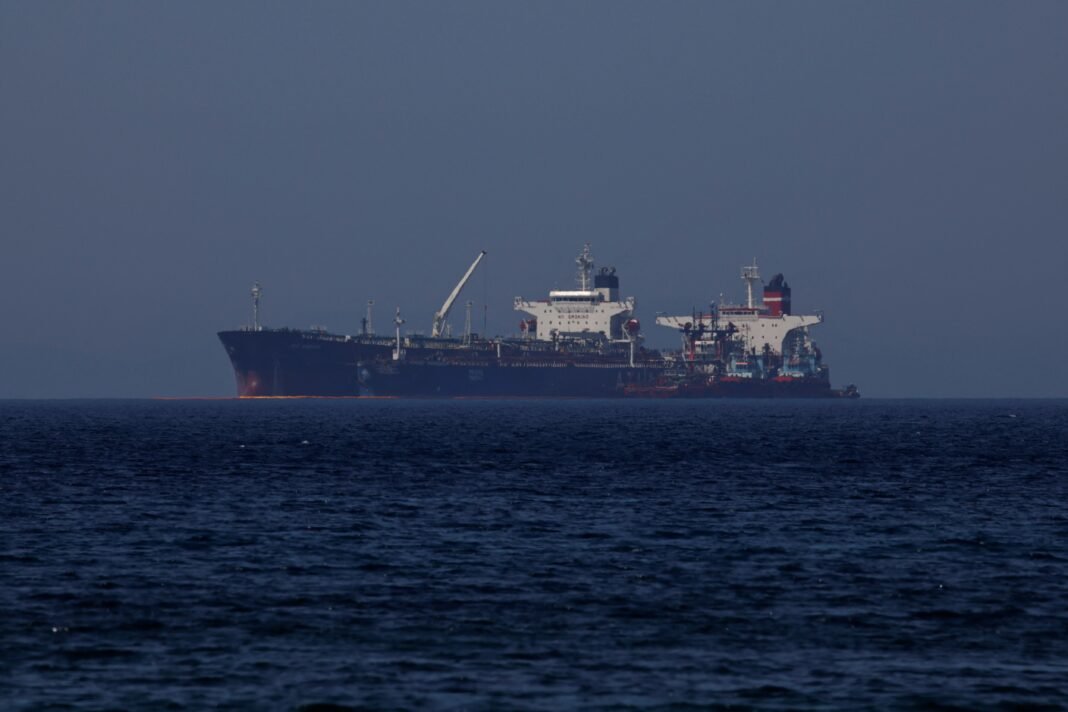
The Greece-owned oil tanker St Nikolas was reportedly released near Oman’s coast after two years in Iranian custody, raising attention amid rising US-Iran tensions. The tanker’s release comes as geopolitical risks in the Gulf escalate, affecting oil supply security and global shipping.
Iran had seized the St Nikolas in January 2024 in the Gulf of Oman. The capture was reportedly in response to the United States’ earlier seizure of 1 million barrels of Iranian crude. At the time, the vessel was en route to Turkey’s Aliaga port after loading oil from the Iraqi Basrah Oil Terminal.
Data from TankerTrackers.com showed that the tanker was last located north of Sohar anchorage off Oman this week. Empire Navigation, the Greece-based company managing the St Nikolas, did not respond immediately to inquiries about the vessel’s status.
The release occurs as US-Iran relations remain tense. Earlier this week, US President Donald Trump warned of “very strong options” in response to Tehran’s crackdown on mass protests. The demonstrations have reportedly left over 500 people dead and thousands detained, marking the largest unrest in Iran in more than a decade.
President Trump also stated that Iran now seeks negotiations following the US threat of action over the protest crackdown. Analysts suggest that the tanker release could indicate Iran’s willingness to reduce some tensions in maritime trade, even as broader regional risks persist.
Iranian Parliament Speaker Mohammad Baqer Qalibaf, a former Revolutionary Guard commander, warned that any attack on Iran would consider US bases, ships, and Israel legitimate targets. The statement signals continued strategic risk for energy shipping and Gulf security.
In a related move, President Trump imposed a 25% tariff on all countries doing business with Iran. The measure underscores the US strategy to pressure Tehran economically while protecting American interests in global trade.
Energy analysts note that the tanker’s release may temporarily ease concerns over crude supply disruptions. However, continued political and military tensions in the region could impact shipping routes, insurance costs, and oil market stability.
The St Nikolas incident highlights the vulnerability of international maritime operations in conflict-prone regions. Companies with exposure to Middle East shipping may reassess risk management strategies and contingency planning.
Looking ahead, market observers will monitor whether Tehran continues similar gestures of cooperation or escalates maritime confrontations. The tanker’s status could influence Gulf oil transport, regional energy security, and global crude pricing in the coming months.