



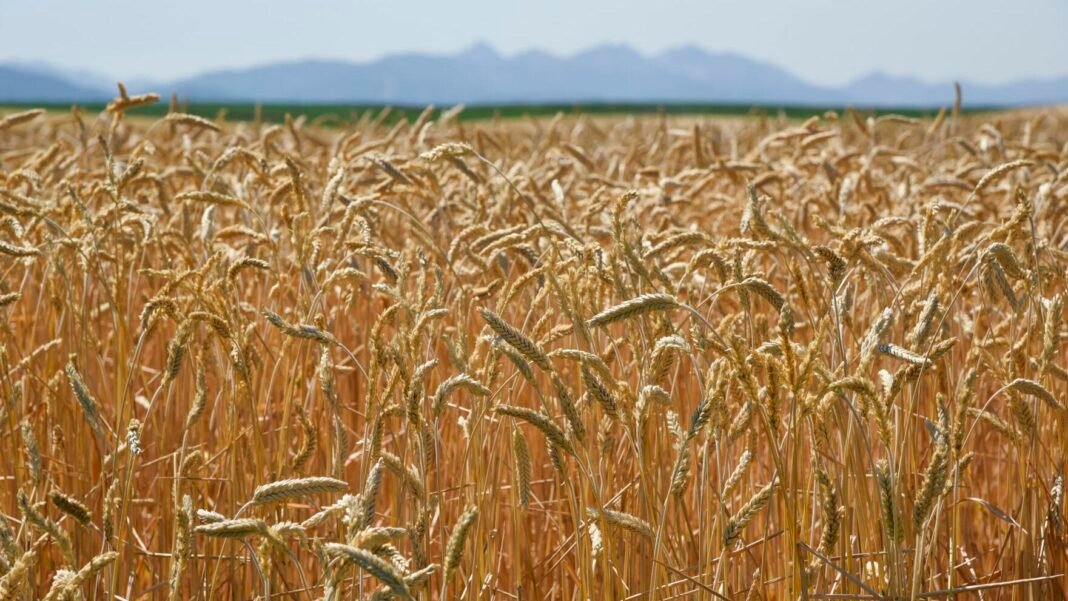
Saudi Arabia purchased 907,000 tons of milling wheat at an average price of $260.91 per ton, according to the General Food Security Authority. The Kingdom scheduled deliveries between April and May 2026. This procurement highlights Saudi Arabia’s focus on food security and supply chain stability.
The shipments will arrive at four major ports: Jeddah, Yanbu, Dammam, and Jazan. International traders, including Solaris, Olam, Ameropa, Cargill, Louis Dreyfus, Soufflet Negoce, and Aston, actively participated in the tender. Their engagement reflects global interest in the Kingdom’s wheat market.
For Jeddah port, the prices ranged from $258.50 to $262.06 per ton. Yanbu port will receive the largest shipment, totaling over 425,000 tons, with prices between $258.97 and $261.83 per ton. Dammam will handle 127,000 tons at $259.30 to $264.84 per ton. Meanwhile, Jazan will receive 55,000 tons at $262.06 per ton, scheduled for early April delivery.
Earlier, on January 15, Saudi Arabia announced a tender for 595,000 tons of wheat. These repeated purchases emphasize the Kingdom’s proactive approach to securing essential food resources. They also demonstrate Saudi Arabia’s ability to respond efficiently to fluctuations in global grain markets.
Experts explain that Saudi Arabia primarily sources wheat from the Black Sea region, a key global supplier of milling wheat. By diversifying shipments across multiple ports, the Kingdom improves distribution efficiency and minimizes logistical risks. Furthermore, involving multiple international traders stabilizes prices and ensures steady supply.
The General Food Security Authority stated that the tender process promotes competition and transparency. It also guarantees that shipments meet quality standards and arrive on schedule. Analysts view this procurement as part of Saudi Arabia’s broader strategy to secure national food reserves and strengthen long-term food security.
Looking ahead, observers expect Saudi Arabia to continue active wheat imports throughout 2026. These actions could affect global wheat demand, influence pricing trends, and impact trading patterns, particularly in the Black Sea region.
Saudi Arabia’s wheat procurement demonstrates its commitment to sustaining domestic food supply. By combining strategic planning, diversified sourcing, and effective port distribution, the Kingdom positions itself as a key player in global agricultural trade.