



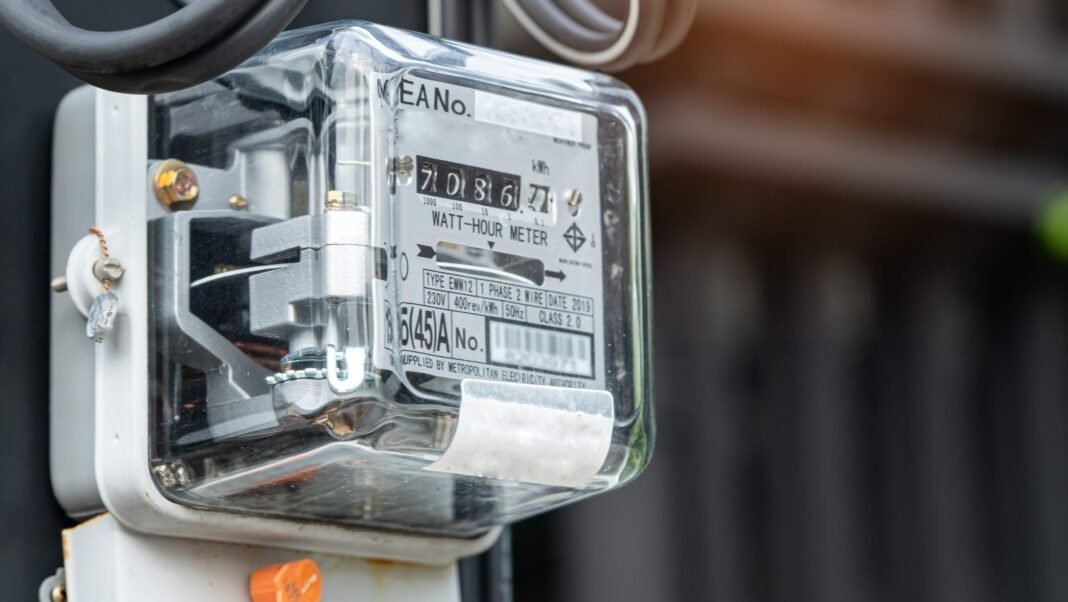
Bahrain electricity subsidy policy entered a new phase as authorities expanded support for citizens’ first homes across the kingdom. Bahrain electricity subsidy changes signal a stronger commitment to household affordability and social stability.
On February 2, the Minister of Electricity and Water Affairs, Yasser bin Ibrahim Humaidan, announced the updated decision in Manama. The announcement followed a Cabinet review led by Crown Prince and Prime Minister Prince Salman bin Hamad Al Khalifa.
The Cabinet examined recommendations submitted by members of the Council of Representatives. These proposals focused on electricity and water services for citizens owning their first residence. As a result, officials approved an amendment to the electricity tariff structure.
Under the new policy, subsidised electricity consumption now extends from 5,000 units up to 7,000 units. Previously, households paid higher rates beyond the 5,000-unit threshold. Now, the updated tariff reduces costs significantly.
The revised rate sets electricity charges at 16 fils per unit for consumption between 5,000 and 7,000 units. Earlier, consumers paid 32 fils per unit for the same range. This adjustment immediately lowers monthly household expenses.
Moreover, the decision applies exclusively to citizens’ first homes. Authorities designed the measure to support families while promoting responsible energy use. Officials stressed that the policy balances affordability with efficiency.
Minister Humaidan highlighted strong cooperation between the executive and legislative authorities. He explained that lawmakers’ feedback played a central role in shaping the final decision. This cooperation strengthened trust between institutions.
Furthermore, the minister noted that the amendment reflects a partnership-based governance approach. He emphasized that policymakers carefully considered citizens’ daily needs. At the same time, they ensured service sustainability.
Economic observers view the move as a positive financial relief for middle-income families. Lower electricity costs allow households to allocate income toward education, healthcare, and savings. Consequently, the policy supports broader economic stability.
In addition, the Bahrain electricity subsidy reform aligns with national social development goals. The government continues to prioritize citizen welfare while managing public resources responsibly. Energy pricing reforms now reflect both compassion and planning.
Looking ahead, officials signaled ongoing reviews of utility services. Future adjustments may address efficiency, consumption awareness, and renewable integration. However, authorities reaffirmed their commitment to protecting citizens’ living standards.
Ultimately, Bahrain electricity subsidy expansion demonstrates responsive governance and social responsibility. By raising the subsidised limit, Bahrain reinforces its focus on family stability, economic balance, and sustainable public services.