



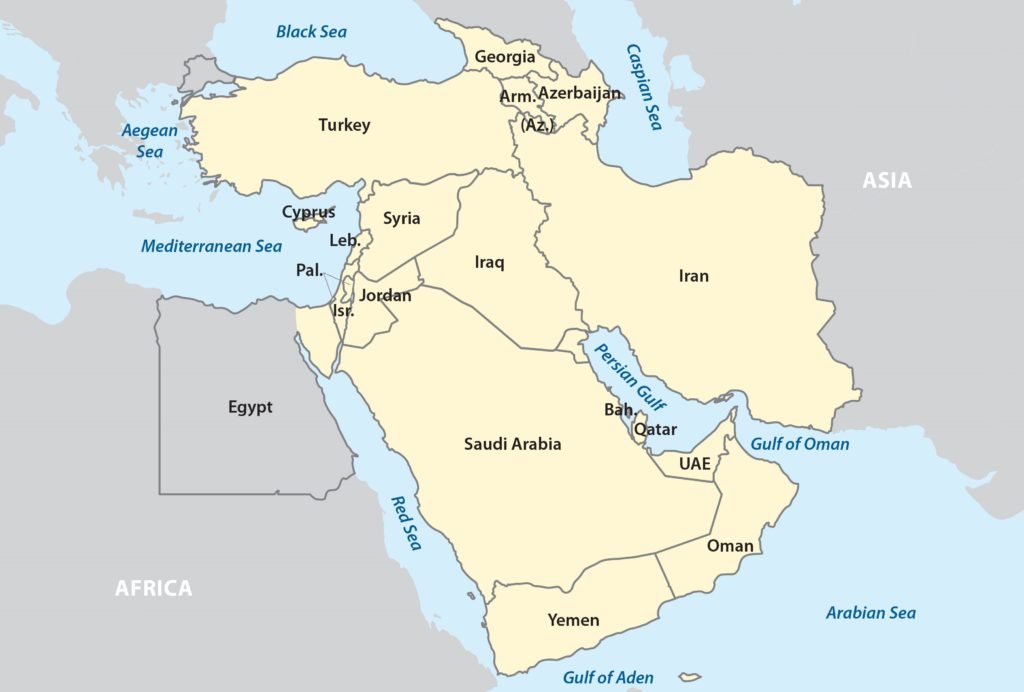
Military targets threaten Persian Gulf ports. In addition, the Strait of Hormuz is effectively closed, causing fuel prices and shipping rates to surge.
Shipping companies cannot reach container hubs that handle more volume than Rotterdam. Meanwhile, airlines face cargo backlogs that will take days to clear.
Companies in the region face shortages, higher costs, and smaller profit margins. Furthermore, consumers may encounter price spikes similar to those during the pandemic.
Financial markets reflect investor worries about inflation and household risks, especially in countries recovering from Covid-era debt and slow growth.
IMF Managing Director Kristalina Georgieva said the world has shown resilience, but the conflict tests stability. Therefore, she urged careful fiscal policies.
Drone strikes damaged data centers in the UAE and Bahrain, disrupting cloud services. In addition, supply chains face stress beyond traditional goods transport.
Energy markets remain the largest concern. About a fifth of global oil and LNG flows through Hormuz. Moreover, Asian countries rely heavily on Gulf energy.
Analysts warn that Asia, the euro area, and the UK face higher exposure than the US. Consequently, rising energy costs will push inflation and household bills higher.
Air cargo rates could double or triple because freighters remain grounded. In fact, roughly 18 percent of global air freight capacity disappeared temporarily.
Shipping lines face severe disruption. Daily bookings into ports east of Hormuz fell 81 percent over two days. Furthermore, around 100 vessels remain trapped inside the Gulf.
Dozens more ships wait to enter. As a result, secondary ports in India, Singapore, and Tanzania now act as relay hubs, causing congestion and delays.
Airlines including Etihad, Emirates, and Qatar Airways plan to resume limited flights. However, capacity remains constrained, and shutdowns at refining facilities continue to strain supply chains.
Logistics companies deploy trucks to reroute cargo to open airports, keeping deliveries moving. In addition, pharmaceuticals, medical packaging, and other health-care products are affected.
Economists warn that if the West Asia conflict continues, disruptions could trigger global supply shocks, higher costs, and prolonged uncertainty.
Global companies and policymakers monitor the situation closely. Therefore, they adapt supply chains, manage inflation risks, and prepare for extended instability.

