



Weekly oil exports recently dipped as the United States adjusted its global energy intake from major partners. New data from the U.S. Energy Information Administration reveals a specific shift in Middle Eastern supply chains this month.
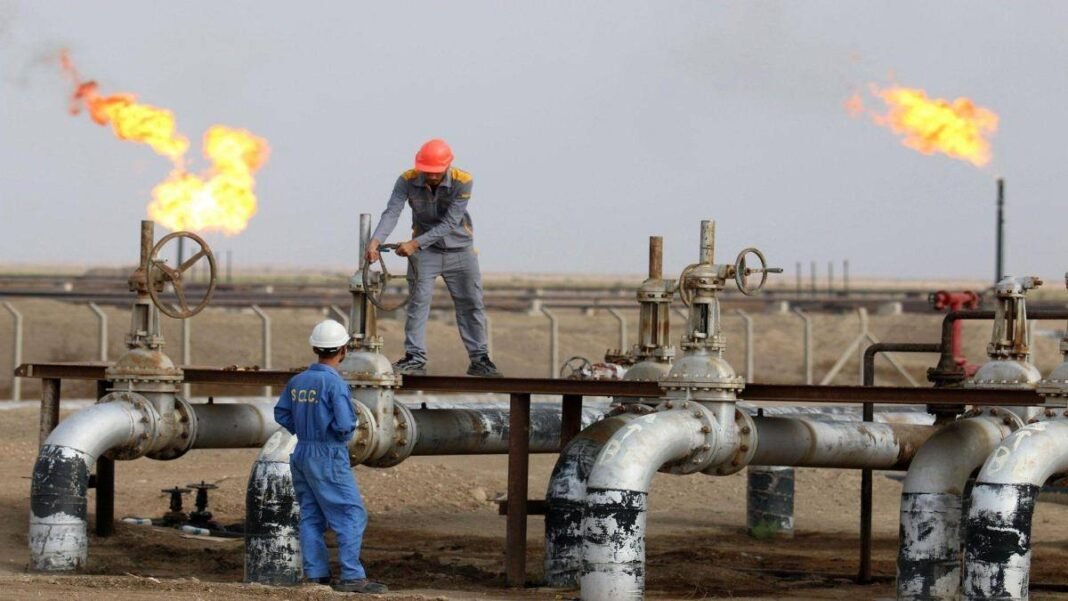
Iraq sent an average of 154,000 barrels per day to American refineries over the last seven days. This figure represents a slight decrease of 6,000 barrels compared to the previous week’s total of 160,000 barrels. Weekly oil exports remain a critical metric for analysts tracking the stability of the global energy market.
Total American crude imports from ten major nations averaged roughly 5.66 million barrels per day during this period. This reflects a substantial drop of 436,000 barrels per day across the board for the domestic energy sector. Canada continues to dominate the import market by providing nearly 3.93 million barrels every single day to its neighbor.
Meanwhile, Saudi Arabia follows with 520,000 barrels, while Colombia and Mexico contribute smaller but significant portions of the mix. Weekly oil exports from these diverse regions ensure the United States meets its massive internal consumption needs.
The latest report also highlights contributions from South American and African nations to the American energy grid. Nigeria supplied 202,000 barrels daily, while Venezuela and Brazil delivered 143,000 and 104,000 barrels respectively to US ports. Furthermore, Libya and Ecuador provided smaller quantities to round out the international supply list for the previous week.
These fluctuations in weekly oil exports often stem from seasonal maintenance or changes in maritime logistics across the globe. Such trends directly impact the pricing strategies for fuel and heating across many North American consumer markets.
Industry experts note that the United States remains the largest consumer of petroleum products in the entire world. The nation currently requires more than 20 million barrels of oil every day to sustain its industrial activities.
Consequently, even minor shifts in import volumes from Iraq can signal broader changes in geopolitical trade relationships or refining capacities. Policymakers monitor these weekly oil exports to ensure the country maintains a reliable and steady flow of crude. As the market evolves, both producers and consumers must adapt to the shifting tides of international energy commerce.