

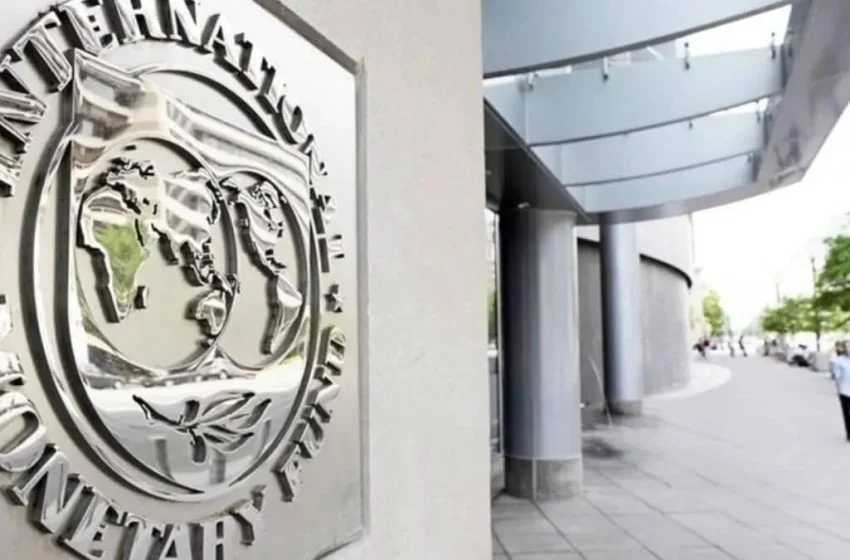
Iraq growth outlook gains strong momentum as new forecasts point to steady expansion and rising global standing. On Monday, the International Monetary Fund highlighted Iraq’s improving economic trajectory through the end of the decade.
The report indicates that Iraq will rank among the top five Arab economies by 2026. This position reflects sustained development and stronger economic fundamentals. Moreover, projections suggest continued progress until 2030.
According to the IMF, Iraq’s economy has reached a value of about $739 billion based on purchasing power parity. This figure places Iraq 44th among global economies. Therefore, the country continues to strengthen its international position.
Regionally, Saudi Arabia leads Arab economies, followed by Egypt and the United Arab Emirates. Meanwhile, Algeria and Iraq complete the top five rankings.
Globally, China remains the largest economy by purchasing power. It is followed by the United States and India. These economies continue to dominate global output.
In addition, Iraq’s nominal gross domestic product reached nearly $274 billion. The economy recorded real growth of 3.6 percent. This steady increase reflects improving fiscal management and stable oil revenues.
Furthermore, per capita income has risen to $15,850. This figure aligns with a population estimate of more than 46 million people. As a result, average living standards show gradual improvement.
At the same time, inflation remains under control. The IMF reported an annual inflation rate of 2.5 percent. This stability supports consumer confidence and economic planning.
Looking ahead, the Iraq growth outlook shows further acceleration. The IMF expects growth to remain at 3.6 percent in 2026 and 2027. Then, it may rise to 3.9 percent in 2028.
Growth could reach 4.1 percent by 2029 and 2030. These projections suggest a stronger and more diversified economy. Consequently, Iraq may improve its regional ranking further.
Earlier projections also pointed to a higher position by 2030. The IMF expects Iraq to become the fourth-largest Arab economy. This shift would mark a significant milestone for the country.
Experts believe oil revenues will continue to play a key role in growth. However, diversification efforts remain essential for long-term stability. Therefore, policymakers must balance energy dependence with broader reforms.
The Iraq growth outlook reflects cautious optimism. The country continues to recover and expand despite global challenges. With consistent reforms, Iraq could secure a stronger economic future.