

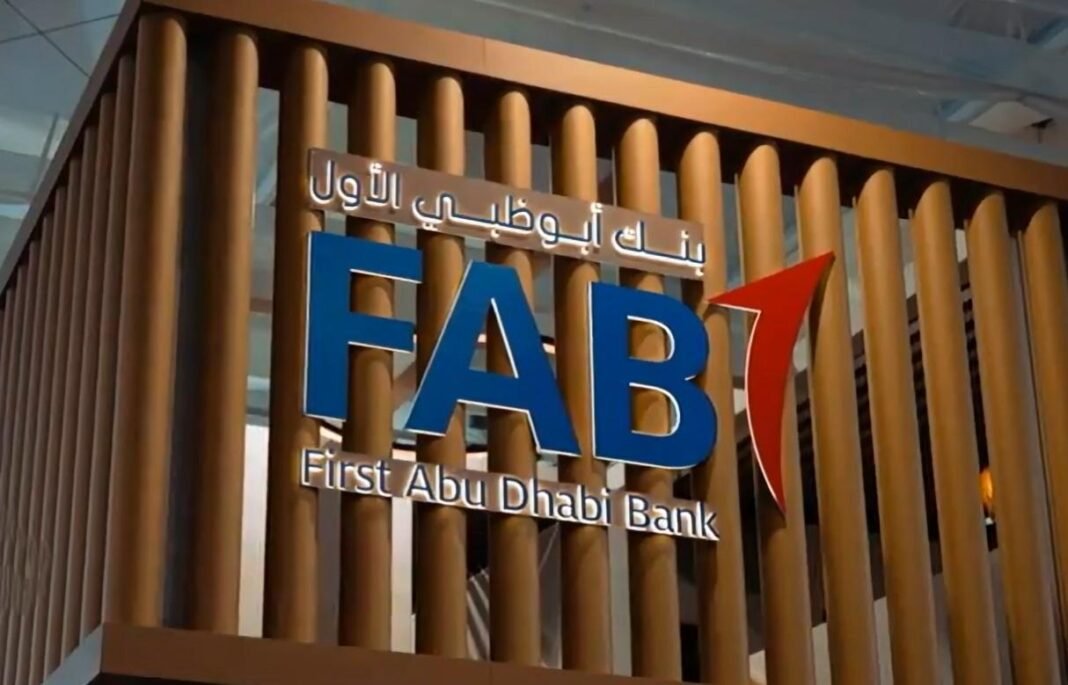
FAB net zero strategy is gaining strong momentum as First Abu Dhabi Bank pushes forward with a major sustainability plan. The move highlights how leading banks in the United Arab Emirates are shifting capital toward green finance while supporting national climate goals.
Moreover, First Abu Dhabi Bank released its Transformation Pathways Update Report on Earth Day 2026. The report shows progress in reducing emissions and expanding sustainable finance activities. As a result, the bank strengthens its role in the transition to a low-carbon economy.
In addition, the report confirms that the bank helped avoid nearly four million tons of carbon emissions in 2025. This achievement reflects growing investment in sustainable projects and climate-focused financing solutions across multiple sectors.
At the same time, FAB net zero efforts align closely with UAE national climate priorities. Therefore, the bank integrates sustainability into its core business model. It also applies this approach to risk management and customer engagement strategies.
Furthermore, the bank structured its strategy around four key pillars. These include customer engagement, sector transition pathways, climate risk management, and portfolio alignment. Together, these pillars guide investment decisions and financing activities.
In particular, FAB continues to reduce its own operational emissions while also increasing funding for green projects. As a result, it supports industries that aim to lower carbon output and adopt cleaner technologies.
Meanwhile, sustainable finance is becoming a major investment driver for the banking sector. Investors now favor institutions that lead in environmental, social, and governance performance. Therefore, FAB strengthens its market position through clear sustainability targets.
In addition, the bank develops financial instruments that support climate goals. These include green loans, sustainability-linked financing, and transition funding for high-emission sectors. Consequently, FAB expands its influence in global sustainable finance markets.
Experts in the financial sector note that FAB net zero strategy reflects a broader regional shift. Banks across the Gulf increasingly channel capital into clean energy, infrastructure, and low-carbon technologies.
Moreover, this transformation creates new investment opportunities. Asset managers and institutional investors seek exposure to sustainable projects backed by strong financial institutions like First Abu Dhabi Bank. As a result, capital inflows into green finance continue to rise.
At the same time, FAB improves how it measures and manages climate risks. This strengthens transparency and helps investors assess long-term sustainability performance. Therefore, it builds greater trust with global stakeholders.
In the wider market, sustainable banking supports economic diversification in the UAE. It also aligns with long-term national strategies that reduce reliance on oil revenues.
Furthermore, FAB net zero initiatives encourage other financial institutions to accelerate their own climate strategies. This creates a competitive environment where sustainability becomes a key growth factor.
Looking ahead, the bank plans to expand its sustainable finance portfolio and deepen its climate commitments. As a result, FAB is expected to play a larger role in funding the region’s energy transition.
FAB net zero strategy highlights how financial institutions drive both environmental progress and investment growth. While challenges remain, the bank’s approach shows how sustainability and profitability can advance together in the UAE’s evolving economy.