



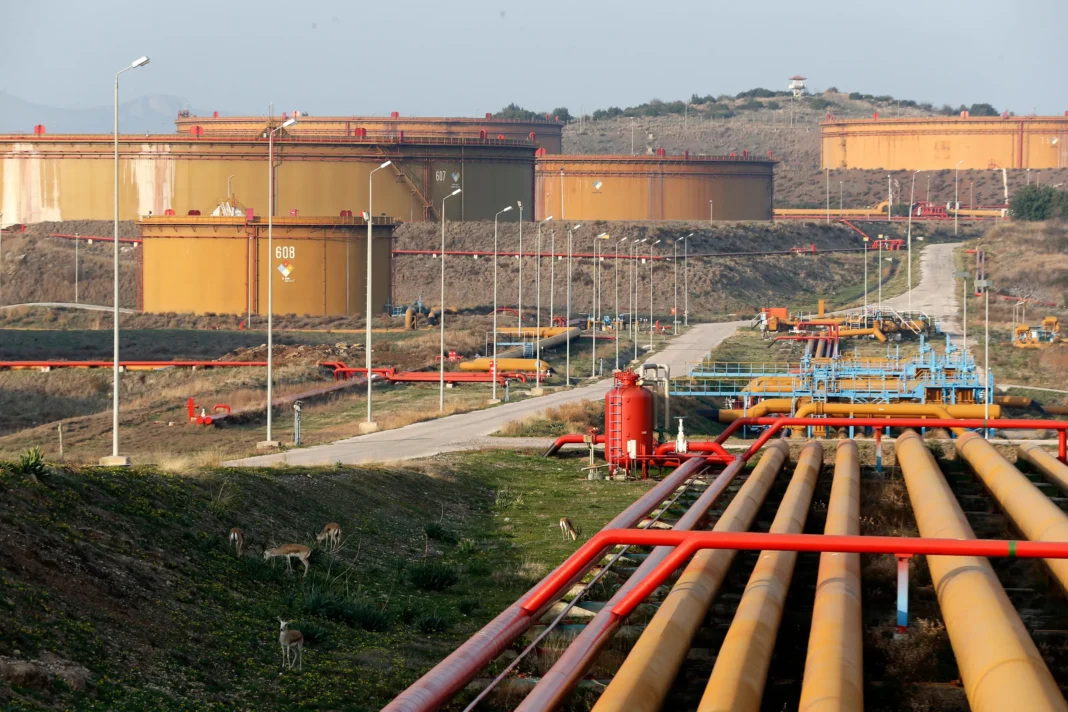
Iraq pipeline route discussions have returned as policymakers reconsider a major export project linking southern oil fields to Turkey. The plan aims to strengthen Iraq’s energy infrastructure and expand global market access. As a result, officials view the project as a strategic opportunity for long-term stability.
To begin with, the proposed pipeline would connect key oil fields in Basra with the Turkish port of Ceyhan. The route would pass through several Iraqi cities before reaching the border. Then it would continue through Turkish territory toward the Mediterranean coast. Therefore, the project would create a direct export corridor for crude oil.
Moreover, the Iraq pipeline route would serve major fields such as Rumaila and other Basra-area production sites. Engineers plan to move oil north through Haditha, Baiji, and Fishkhabur. In addition, the Turkish section would extend roughly 650 kilometres. Consequently, the design includes two large pipelines with high transport capacity.
Experts estimate a potential export capacity of around 1.5 million barrels per day. This volume would significantly increase Iraq’s export flexibility. In addition, the pipeline would reduce reliance on southern maritime shipping routes. As a result, Iraq could avoid key chokepoints during regional tensions.
At the same time, analysts highlight several strategic advantages. First, the Iraq pipeline route would diversify export channels and stabilise revenue flows. Second, it would improve supply reliability during crises. Third, it would strengthen Iraq’s position in global energy negotiations. Therefore, decision-makers see strong long-term value in the project.
In addition, the pipeline could carry natural gas alongside oil exports. This feature would support Iraq’s growing energy demand. Moreover, it would enhance cooperation between Iraq and Turkey in the energy sector. Consequently, both countries could benefit from improved infrastructure integration.
Meanwhile, the project aligns with Iraq’s broader economic development strategy. Officials continue to promote a major transport and trade initiative linking Asia and Europe. Therefore, the pipeline supports national ambitions to become a regional economic corridor.
The Iraq pipeline route also faces several challenges. Financing remains a key concern for stakeholders. In addition, authorities must establish a clear legal framework. Security risks along parts of the route also require attention. Therefore, planners must coordinate closely across multiple regions.
Despite these challenges, analysts remain cautiously optimistic. They believe international investors may support the project. Furthermore, rising global demand for secure energy supplies could attract funding. As a result, the project continues to gain renewed interest.
The Iraq pipeline route represents a major opportunity for export diversification. It also strengthens regional cooperation and long-term energy planning. Therefore, policymakers continue to evaluate its feasibility with growing attention.