


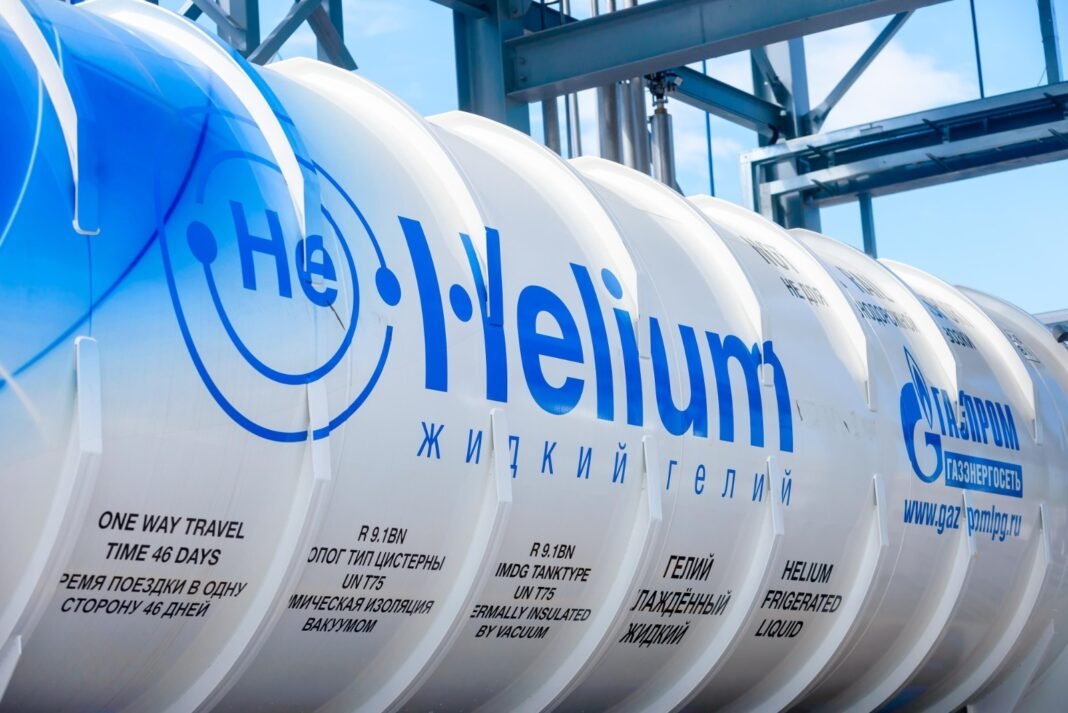
Helium supply shock disrupted Qatar’s export flow to Japan during March 2026. Shipments dropped sharply after regional conflict intensified. Japan received significantly lower volumes compared to the previous year. Helium supply shock also raised concerns across global industries.
Export data showed a steep decline in deliveries. Shipments fell by around 81 percent year on year. Total volume reached only 8,800 kilograms in March. This marked the lowest level in over a year.
The reduction followed major disruptions in regional shipping routes. Tensions affected the Strait of Hormuz operations. Energy infrastructure in Qatar also faced operational challenges. These developments contributed directly to helium supply shock conditions.
Japan depends heavily on Qatar for helium imports. Last year, Qatar supplied nearly 40 percent of Japan’s demand. The United States covered most of the remaining share. This imbalance increased sensitivity to supply disruptions.
Helium plays a critical role in advanced industries. It supports medical imaging equipment like MRI scanners. It also supports production of high-end semiconductor chips. Therefore, helium supply shock created wider industrial concerns.
Analysts warned about deeper global supply risks. Some facilities in Qatar halted operations after security incidents. One major export complex stopped production temporarily. This facility plays a key role in global gas exports.
Industry experts estimated further supply losses ahead. They projected significant reductions in output for 2026. Some forecasts suggested over 10 percent global supply impact. This outlook reinforced fears around helium supply shock.
Another projection indicated continued disruptions in Qatar’s output. Estimates suggested nearly 30 percent of national helium volumes could be affected. This would further tighten global availability. Markets reacted cautiously to these projections.
Energy specialists also linked risks to infrastructure shutdowns. They highlighted vulnerabilities in large-scale gas processing hubs. These hubs supply essential gases for global industries. As a result, helium supply shock concerns continued to grow.
Qatar’s energy authorities reviewed contract obligations. They considered possible force majeure declarations. Such measures could last for several years. This added uncertainty to global supply chains.
Meanwhile, Japan explored alternative sourcing options. It aimed to reduce dependence on a single supplier. However, replacement supply remains limited. This keeps helium supply shock risks elevated.
Helium supply shock continues to affect global markets. Qatar exports to Japan remain significantly reduced. Regional instability drives ongoing supply uncertainty. Industries now watch developments closely.