


Kurdistan auto industry development marks a major step in regional economic diversification. Strong foreign investment from China continues to accelerate industrial expansion. Manufacturing projects now position the region for broader economic growth.
The Kurdistan Regional Government has approved plans to establish three automobile manufacturing projects. These projects involve partnerships with Chinese companies. Officials say the initiative supports industrial growth and job creation across the region.
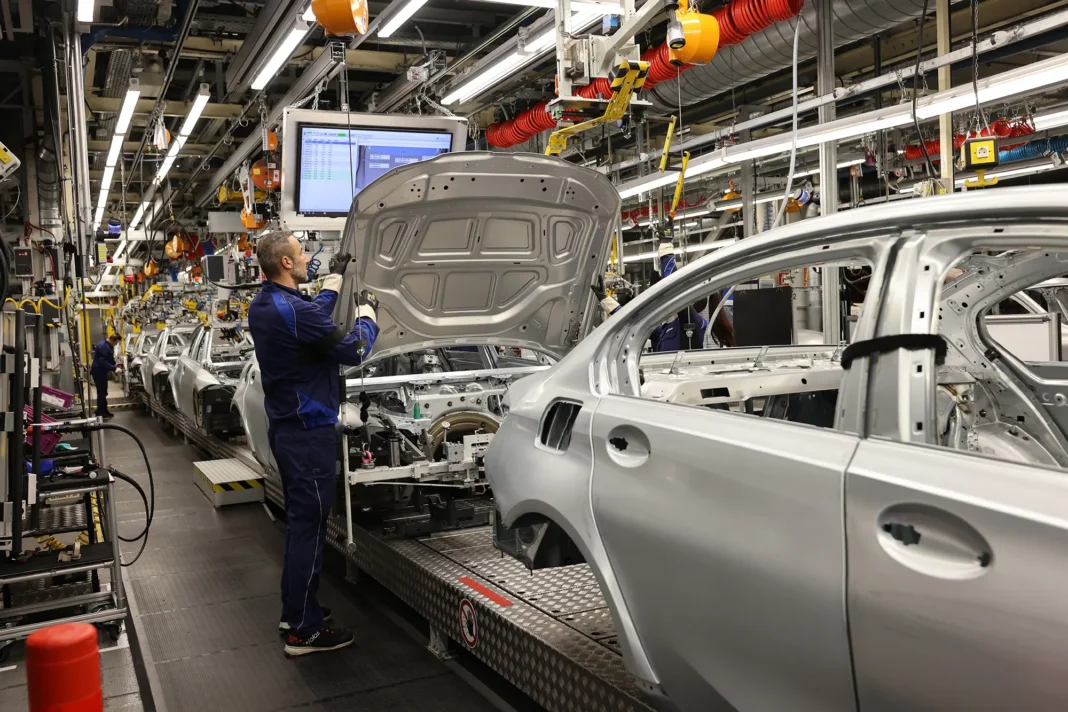
Authorities confirmed that the projects will focus on vehicle production and assembly operations. One facility will produce electric vehicles. Two additional plants will handle automotive component assembly. Together, they aim to strengthen local manufacturing capacity.
Meanwhile, land allocation and site selection continue under government supervision. Officials expect early-stage development to move forward soon. Coordination between investors and public agencies remains active. As a result, planning progress continues steadily.
Foreign investment in the Kurdistan Region has reached around $11 billion. This investment spans 54 projects across different sectors. Investor confidence continues to rise across industrial and commercial areas. Additionally, industrial development remains a key priority for economic planning.
The rising use of Chinese vehicles in the local market encouraged new partnerships. Consequently, Chinese companies identified strong potential for local production. This demand-driven interest helped push forward the automotive projects.
Industrial expansion in the region has increased over the past decade. Authorities gradually reduced reliance on oil revenues. Instead, they promoted manufacturing, construction, and energy-related industries. Therefore, economic diversification continues to gain momentum.
Government policies support industrial growth through investment incentives. These incentives attract companies from China, Turkey, and Gulf countries. Furthermore, industrial zones provide infrastructure for large-scale projects. This environment encourages long-term investment stability.
Officials believe the new factories will serve both domestic and regional markets. They expect exports to increase once production stabilises. Additionally, the projects aim to position the region as a competitive manufacturing hub.
Job creation remains a central goal of the initiative. Authorities expect thousands of employment opportunities for local workers. Young professionals will particularly benefit from technical and industrial roles. In turn, this supports workforce development across multiple sectors.
Infrastructure development also plays a key role in the strategy. Industrial zones continue to expand across the region. These zones support logistics, production, and supply chain efficiency. As a result, manufacturing capacity improves steadily.
The Kurdistan auto industry continues to evolve through foreign partnerships. Investment in production facilities strengthens industrial independence. Moreover, collaboration with international firms enhances technical expertise. This combination supports long-term economic stability.
Officials view the automotive projects as a turning point. They believe industrial diversification will reduce economic vulnerability. At the same time, they expect stronger integration into regional trade networks.