



Dubai’s luxury hotel sector is increasingly relying on residents as international tourist arrivals remain below normal levels due to the ongoing regional conflict. As a result, many high-end resorts have introduced significant discounts to attract local guests and maintain occupancy rates.
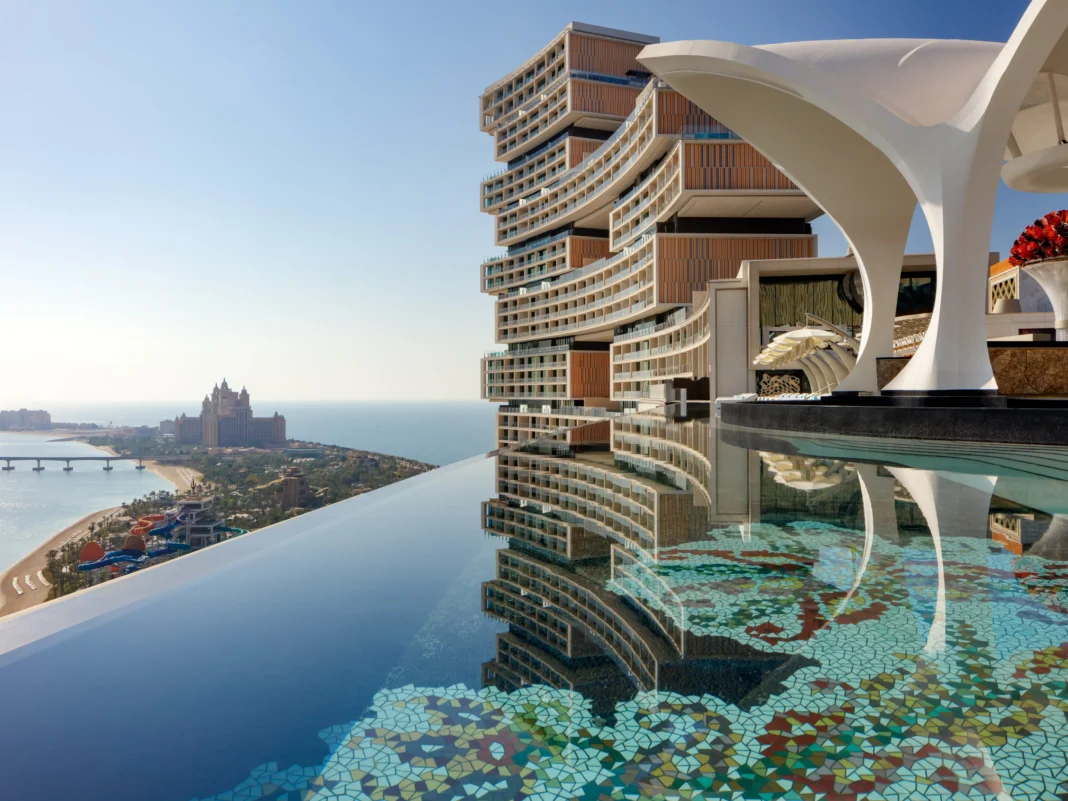
Luxury hotels across Dubai, particularly those on Palm Jumeirah, have launched special staycation packages aimed at residents. These offers have made luxury accommodation more accessible to people who previously viewed such experiences as too expensive.
Many residents have taken advantage of the reduced prices. Some hotels have reportedly cut room rates by as much as 75 percent compared with previous peak periods. Consequently, weekend occupancy levels have improved despite the decline in foreign visitors.
Dubai has long ranked among the world’s leading tourism destinations. The city welcomed millions of international visitors annually and built a reputation for luxury travel, world-class hospitality, and premium leisure experiences.
However, the conflict that began in late February reduced travel demand across the Gulf region. Security concerns and regional instability prompted many international tourists to postpone or cancel travel plans.
As a result, several luxury hotels experienced a sharp decline in overseas bookings. Although some international visitors have gradually returned following the ceasefire, many hotels continue relying heavily on domestic demand.
Hotels have responded by offering resident-only promotions, discounted room rates, dining packages, and family staycation deals. These incentives have helped attract local guests seeking short breaks without leaving the country.
According to hotel operators, weekend occupancy remains relatively strong because residents often book one- or two-night stays. In some luxury resorts, occupancy rates range between 70 and 90 percent during weekends and public holidays.
However, weekday demand remains significantly lower. Some hotels report occupancy levels between 20 and 30 percent from Sunday through Thursday, highlighting the continued absence of large numbers of international travelers.
The growing staycation market has provided an important source of revenue for the hospitality sector. Hotel operators say local guests have helped maintain business activity and reduce financial pressure during a challenging period.
Nevertheless, industry experts caution that staycations alone cannot fully replace international tourism. Foreign visitors typically stay longer and spend more on accommodation, dining, shopping, and entertainment.
Several hotels have already adjusted operations in response to weaker demand. Some properties have temporarily closed sections of their facilities, while others have delayed expansion plans or implemented cost-control measures.
Despite current challenges, tourism leaders remain optimistic about recovery prospects. They believe a lasting improvement in regional stability could encourage international travelers to return more quickly than expected.
Dubai continues to view tourism as a key pillar of economic diversification. Therefore, authorities and industry stakeholders remain focused on strengthening the sector and restoring visitor confidence in the months ahead.