



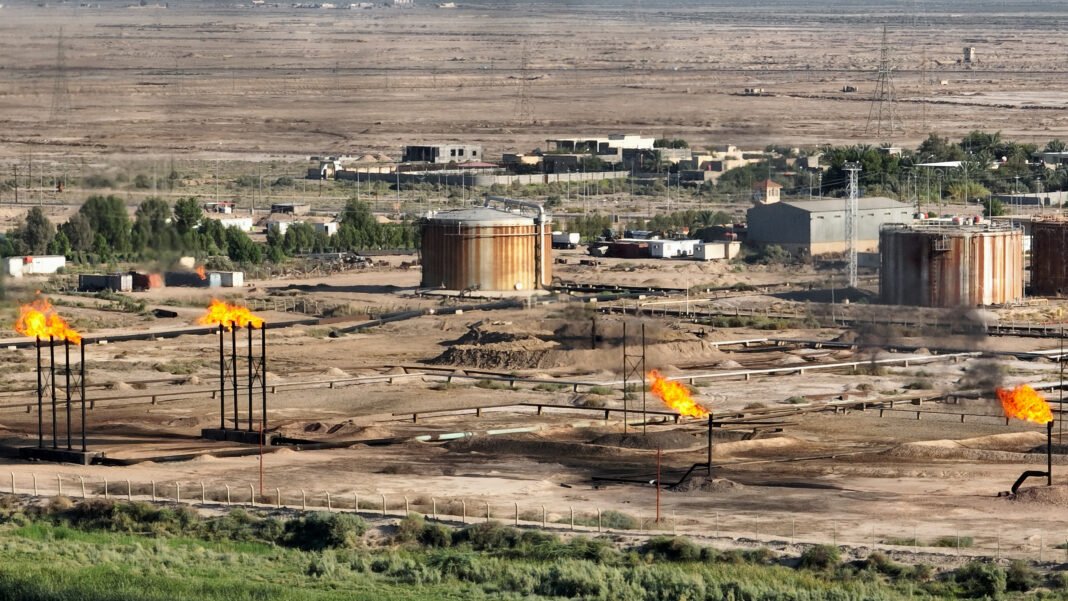
OPEC+ approved a fourth consecutive increase in oil production targets on Sunday, continuing efforts to gradually restore output despite ongoing disruptions linked to the closure of the Strait of Hormuz.
The producer group agreed to raise collective output targets by 188,000 barrels per day (bpd) starting in July. The decision follows similar increases introduced in April, May, and June as member countries continue unwinding earlier production cuts.
The latest agreement includes a higher allocation for Iraq. Under the new plan, Iraq’s oil output quota will increase by 26,000 bpd from July, according to statements from Iraqi oil officials.
The decision comes during a challenging period for global energy markets. Although OPEC+ continues raising production targets, actual output remains below expected levels because several Gulf producers face export restrictions linked to regional tensions and shipping disruptions.
According to OPEC data, the group’s production declined significantly after the closure of the Strait of Hormuz. Average output fell to 33.19 million bpd in April compared with 42.77 million bpd recorded in February before the crisis intensified.
Furthermore, OPEC+ members emphasized their commitment to maintaining market stability. The seven participating countries agreed that the gradual return of production remains necessary to balance future supply and demand conditions.
The countries involved in the latest decision include Saudi Arabia, Iraq, Kuwait, Algeria, Kazakhstan, Russia, and Oman. These producers have led recent discussions regarding output adjustments and quota management.
Analysts noted that higher production targets may have limited immediate impact while export routes remain constrained. As a result, physical oil supplies could remain tighter than official quota figures suggest.
Industry experts also warned that market conditions could change rapidly if the Strait of Hormuz reopens. Increased exports from Gulf producers could quickly add significant volumes of crude oil to global markets.
Meanwhile, oil prices eased last week as traders grew more optimistic about regional stability. Brent crude traded near $93 per barrel, although prices remain well above levels recorded before the conflict began earlier this year.
In addition, OPEC+ ministers held a broader meeting involving all member countries. During those discussions, officials decided to maintain the group’s wider production policy through the end of 2026.
The alliance is also reviewing member production capacities to establish future output baselines. These assessments will help determine quota allocations for 2027 and support long-term production planning across the organization.
The latest decision highlights OPEC+ efforts to manage global oil supplies carefully while addressing geopolitical risks, market uncertainty, and future energy demand growth.