



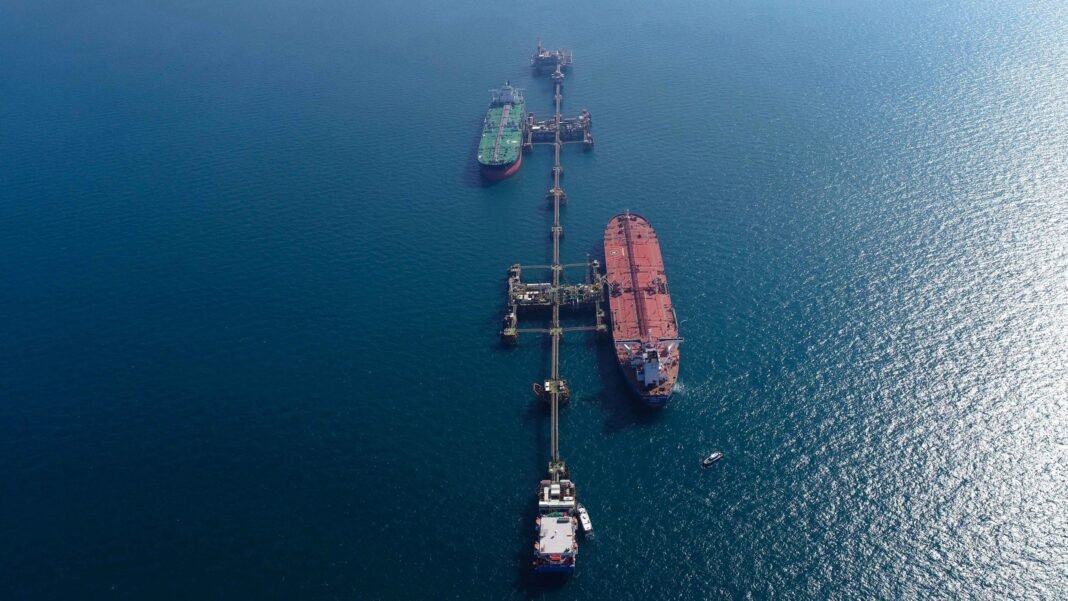
The discussion around Iraqi oil tankers continues to grow as policymakers evaluate long-term energy transport strategy. Iraqi oil tankers remain central to debates about export security and national revenue stability. Iraqi oil tankers also feature in broader discussions about restructuring Iraq’s maritime logistics sector.
Recent analysis highlights concerns over Iraq’s reliance on external shipping capacity for crude oil exports. Analysts argue that limited national tanker ownership creates exposure to global maritime disruptions. The debate intensified after concerns about regional shipping routes and potential chokepoints affecting exports.
Observers note that Iraq depends heavily on southern ports for crude oil shipments. These exports form the backbone of national income and economic planning. Many estimates suggest oil revenues contribute nearly 85 to 90 percent of total government income.
Some commentators question why Iraq has not developed a large domestic tanker fleet. They argue that national ownership of shipping assets could improve export independence. Others respond that building and managing a modern tanker fleet requires major capital investment and advanced technical expertise.
Policy analysts continue to examine whether restructuring the Iraqi Oil Tankers Company could improve efficiency. They suggest that ownership reform may attract investment and improve operational performance. They also emphasize the importance of aligning maritime transport strategy with global shipping standards.
The study of Iraqi oil tankers also focuses on potential risks linked to regional maritime instability. Disruptions in key shipping corridors could significantly impact export flow. This concern has increased interest in expanding national transport capabilities.
Economic planners highlight that fleet expansion alone may not solve structural export challenges. They argue that Iraq also needs broader logistics reforms and infrastructure upgrades. These reforms would include port modernization and improved supply chain management.
Supporters of expansion believe that a national tanker fleet could strengthen energy security. They claim it would reduce reliance on foreign shipping companies during crises. They also believe it could increase strategic flexibility in export operations.
Opponents caution that investment in large-scale tanker construction may strain public finances. They suggest that Iraq should prioritize efficiency improvements in existing systems. They also recommend partnerships with global shipping operators as an alternative approach.
Despite differing views, Iraqi oil tankers remain a key topic in energy policy discussions. Experts agree that any future strategy must balance cost, efficiency, and security. Decision makers continue to evaluate restructuring options for long-term benefit.
The debate over Iraqi oil tankers reflects wider concerns about economic diversification and resilience. It also highlights the importance of adapting national infrastructure to global energy market demands.

