



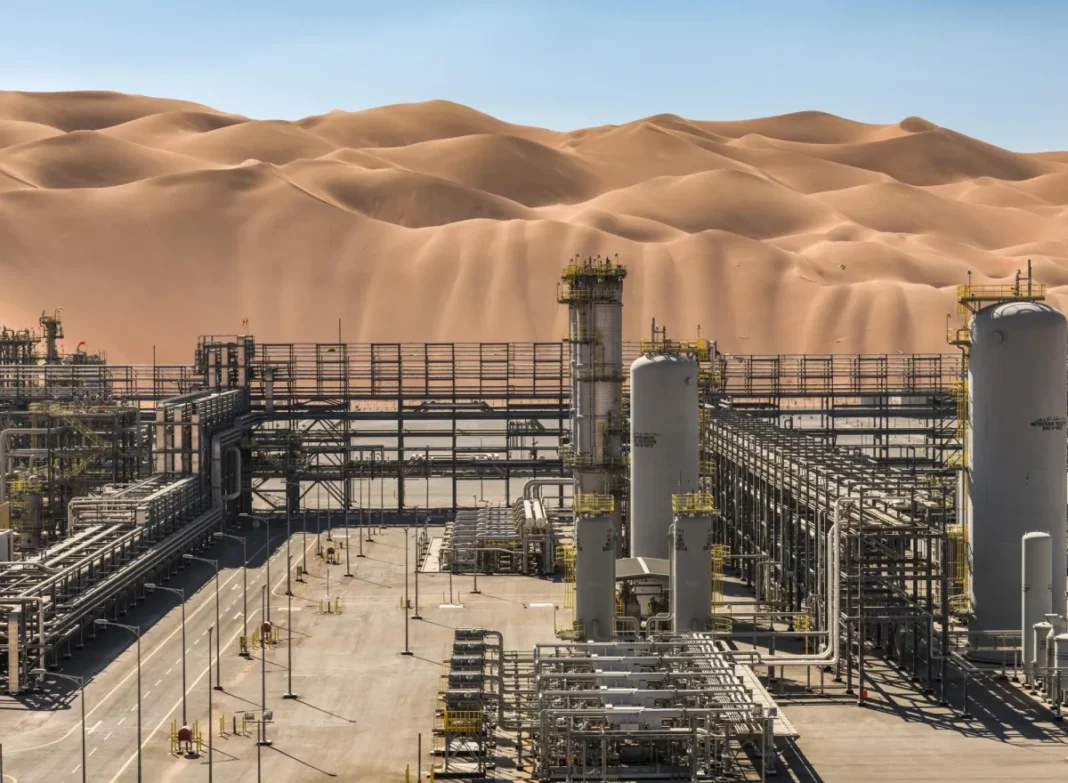
The oil output recovery across the Middle East continues to strengthen as production levels move closer to normal conditions. Oil output recovery has gained momentum as supply chains stabilize and export flows improve. It also reflects rising confidence in regional energy transport systems.
Recent data shows that oil production across several Gulf countries is recovering after earlier disruptions. Analysts expect output levels to return to near-normal conditions within the coming weeks. The UAE has played a major role in this recovery through strong export performance.
UAE oil exports reached record levels in June. They averaged between 3.7 million and 3.8 million barrels per day. These figures represent a significant increase compared with May. Market data also showed that exports rose by more than one million barrels per day during the period.
A large share of these exports moved through major shipping routes, including the Strait of Hormuz. Earlier regional disruptions forced producers to diversify transport options. As a result, the UAE increased shipments through Fujairah and Khor Fakkan to maintain stable export flows.
Infrastructure development has also supported the recovery. A major bypass pipeline project has reached around half of its planned completion. Once operational, it will increase export capacity and reduce dependence on vulnerable maritime chokepoints.
Analysts expect supply conditions to improve further before September 2026. They believe stronger production from OPEC and non-OPEC producers will support global market stability. In addition, rising output could lead to a period of oversupply in international oil markets.
Oil prices have responded to improving supply conditions. Benchmark crude prices declined from the higher levels recorded during recent regional tensions. Market sentiment also improved after a ceasefire agreement reduced geopolitical risks affecting key shipping routes.
Shipping activity through the Strait of Hormuz has increased steadily. Vessel traffic has recovered to around 70 percent of pre-disruption levels. However, analysts continue to warn that short-term volatility may remain due to regional developments.
The oil output recovery also reflects changes in global crude inventories. Recent reports show that stockpiles remain close to historical averages. This trend suggests that global supply and demand are gradually returning to balance.
Overall, the Middle East continues strengthening its energy stability. The oil output recovery highlights stronger infrastructure, improved export systems, and better regional coordination. These developments are expected to support reliable energy supplies and greater market confidence in the months ahead.