



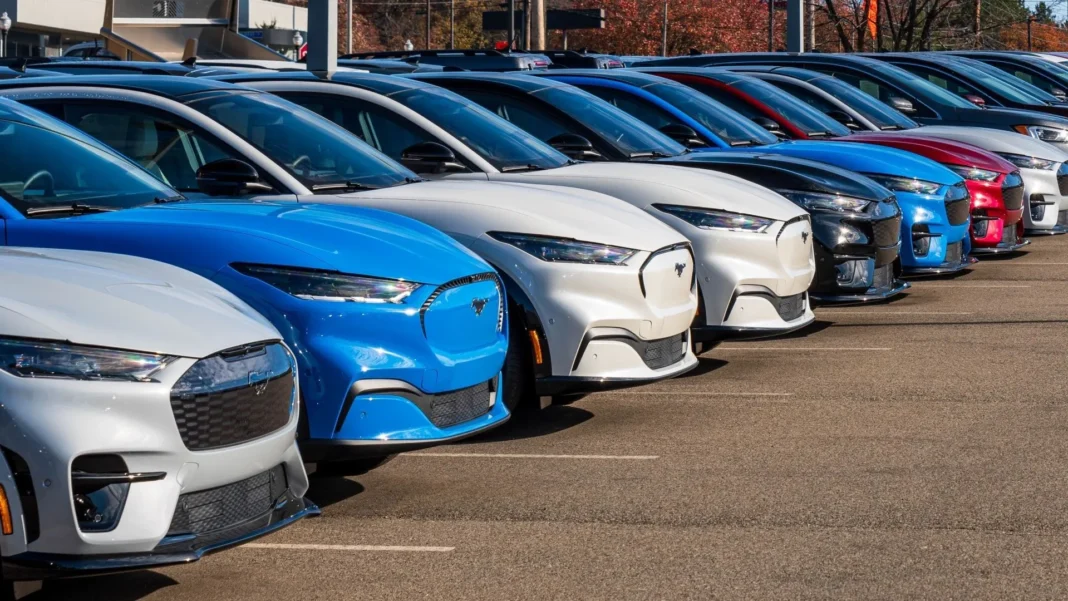
UAE EV demand has accelerated across the Emirates as more buyers choose electric and hybrid vehicles. However, supply shortages continue to limit availability after shipping disruptions affected imports through the Strait of Hormuz. Industry executives say rising fuel costs have encouraged more consumers to switch to cleaner vehicles. Meanwhile, import delays have created longer delivery times and tighter inventories across dealerships.
The growing interest in electric mobility comes as the UAE expands its charging infrastructure and promotes sustainable transportation. However, recent disruptions to regional shipping routes have created fresh challenges for vehicle suppliers. As a result, dealers are struggling to replenish inventories quickly enough to meet customer demand.
Industry leaders reported that demand for electric and hybrid vehicles now exceeds last year’s levels by a significant margin. Furthermore, inquiries for affordable Chinese electric vehicles have increased sharply since regional tensions intensified earlier this year. Many consumers now view electric vehicles as a practical solution to rising fuel expenses and lower long-term operating costs.
Executives said the market faced an unexpected challenge because demand increased rapidly while supply chains slowed considerably. Since the UAE imports almost all electric vehicles, dealers cannot replace sold inventory quickly during shipping disruptions.
Manufacturers continue expanding their presence across the UAE despite current logistical challenges. Executives remain confident about the long-term outlook because government initiatives and expanding charging networks continue supporting electric vehicle adoption. In addition, consumers recognize the savings from lower maintenance and electricity costs compared with conventional petrol-powered vehicles.
Supply shortages now affect dealerships across the country. Following disruptions in the Strait of Hormuz, shipping companies redirected cargo around the Cape of Good Hope. Consequently, delivery schedules have extended by up to two weeks. At the same time, higher insurance premiums and additional freight expenses have increased transportation costs for imported vehicles.
Several dealerships now have only limited electric vehicle inventories, while petrol-powered models remain widely available. Dealers sold most electric vehicle stocks during recent months, but replacement shipments have not arrived fast enough. Therefore, customers now face waiting periods of between three and five months for popular electric models.
Many buyers have responded by choosing hybrid vehicles instead. Dealers report that hybrid inventories have grown substantially since the beginning of the year. These vehicles offer improved fuel efficiency while remaining easier to source than fully electric alternatives.
Despite the disruption, some manufacturers continue supplying customers through careful inventory planning and diversified logistics strategies. Strong dealer networks and efficient supply management have helped reduce delays for selected brands. Therefore, some companies continue delivering vehicles more consistently than their competitors.
The shortage has also influenced vehicle prices across the UAE market. New electric vehicle prices have increased as import costs climbed. Higher freight charges and insurance expenses contributed to those increases. However, prices continue to vary between manufacturers depending on sourcing strategies and inventory levels.
The used vehicle market has also changed noticeably. Petrol vehicle values have declined as higher fuel costs shifted consumer preferences. In contrast, used electric vehicles have retained their value because limited supply continues to strengthen demand. In some cases, used electric models now sell for more than they did only weeks ago.
Industry executives believe current market conditions create opportunities for emerging electric vehicle brands. Consumers increasingly consider newer manufacturers that offer competitive pricing and immediate availability. Reliable after-sales service, extended warranties, and advanced technology also influence purchasing decisions.
Although supply challenges continue, analysts expect demand to remain strong throughout the year. Government support, expanding charging infrastructure, and growing consumer awareness continue strengthening the market. If shipping conditions improve, dealerships could gradually reduce waiting lists and meet rising customer expectations.
Ultimately, UAE EV demand remains one of the strongest drivers of change in the country’s automotive sector. Rising fuel prices continue encouraging consumers to adopt electric mobility despite temporary supply constraints. As logistics improve, UAE EV demand is likely to support further market expansion and encourage greater competition among established and emerging manufacturers.