



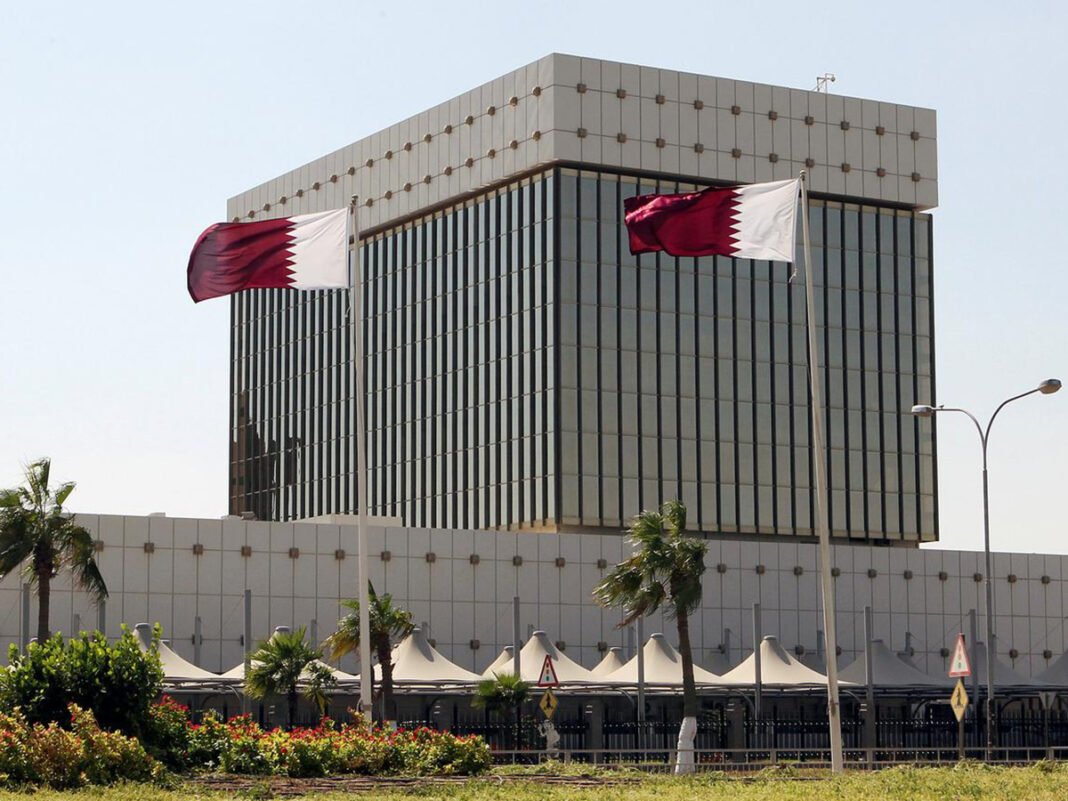
Qatar reserves continued to strengthen during June 2026 as the country’s foreign exchange assets recorded steady annual growth. Qatar reserves also benefited from higher official reserves, stronger gold holdings, and increased balances with foreign banks, reflecting the country’s stable financial position.
According to the latest figures released by the Qatar Central Bank, total international reserves and foreign currency liquidity reached QAR262.114 billion, equivalent to approximately $71.74 billion, by the end of June 2026. This represented a 1.24 percent increase compared with the same period last year.
Official international reserves also posted annual growth during the month. They climbed by 1.48 percent, increasing by approximately QAR2.963 billion to reach QAR202.629 billion. The latest figures highlight the central bank’s continued efforts to maintain strong financial buffers despite changing global economic conditions.
Official reserves consist of several important financial assets. These include foreign bonds, treasury bills, foreign currency deposits, gold holdings, balances with overseas banks, Special Drawing Rights deposits, and Qatar’s quota at the International Monetary Fund. Together, these assets provide liquidity and support financial stability.
Gold remained one of the strongest-performing components of the reserve portfolio. The value of the central bank’s gold holdings increased by approximately QAR10.099 billion over the past year. As a result, total gold reserves reached QAR54.595 billion by the end of June 2026.
Balances held with foreign banks also recorded significant growth during the same period. Those balances increased by around QAR27.919 billion to reach QAR45.687 billion. Higher overseas deposits contributed positively to the overall expansion in international reserves.
At the same time, holdings of foreign bonds and treasury bills declined compared with the previous year. The value of these assets fell by approximately QAR34.980 billion, bringing the total to QAR97.160 billion by the end of June.
Meanwhile, the balance of Special Drawing Rights deposits recorded a slight decrease. These deposits declined by approximately QAR75 million compared with June 2025, leaving the total at QAR5.186 billion. Despite this modest decline, overall reserve growth remained positive because of gains in other asset categories.
The latest figures indicate that Qatar continues maintaining a diversified reserve portfolio. By balancing multiple financial assets, the central bank strengthens its ability to manage liquidity while supporting confidence in the country’s financial system.
The June results closely followed the performance recorded during May 2026. During that month, international reserves and foreign currency liquidity also increased on an annual basis. Official reserves continued expanding while gold holdings remained an important contributor to reserve growth.
Strong reserve levels provide several economic benefits. They support currency stability, strengthen investor confidence, and improve the country’s ability to manage external financial risks. Large reserve holdings also enhance the central bank’s flexibility during periods of global market uncertainty.
Economic analysts often view reserve growth as a sign of financial resilience. Stable reserve levels help countries respond more effectively to changing international market conditions while maintaining confidence in their financial systems.
Qatar reserves continue demonstrating the country’s solid financial position through steady growth in official reserves, higher gold holdings, and stronger foreign bank balances. As global economic conditions continue evolving, the country’s diversified reserve portfolio remains an important foundation for financial stability and long-term economic confidence.