



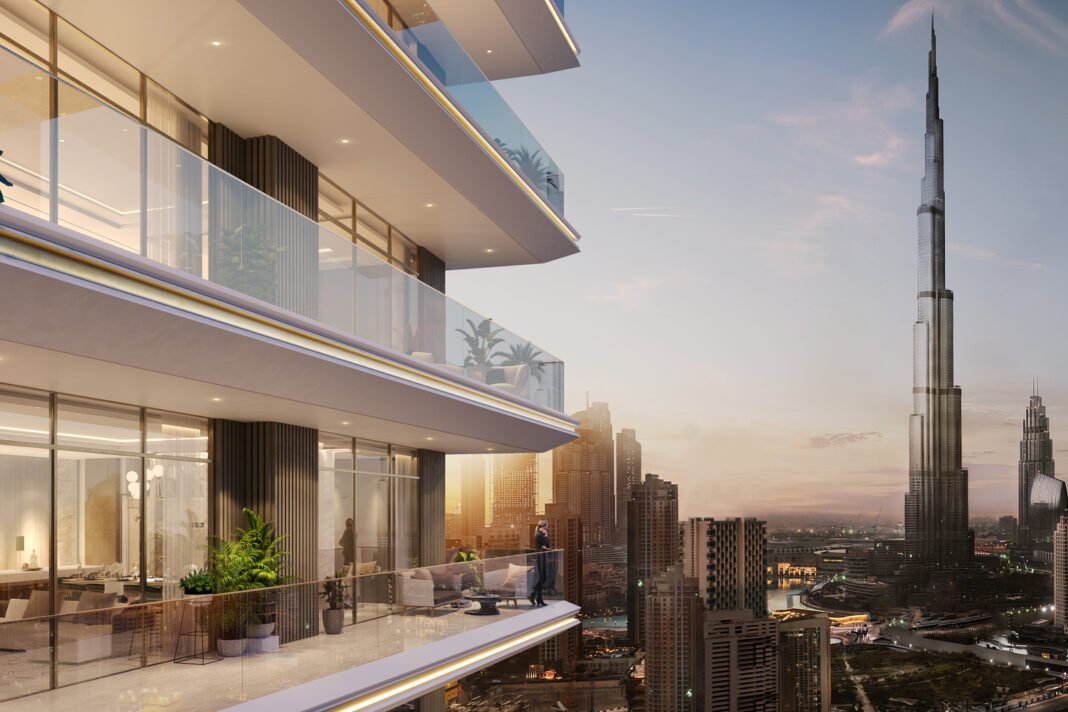
Dubai property buyers are increasingly considering larger homes in premium communities. Recent price adjustments have improved affordability across parts of the residential market. The shift reflects changing purchasing power after several years of strong price growth.
Previously, many buyers focused on smaller units in mid-market communities. Arjan and Jumeirah Village Circle attracted significant attention. However, recent market changes have encouraged buyers to explore more established locations.
These areas include Dubai Hills Estate, Dubai Creek Harbour, Palm Jumeirah, and Dubai Marina. The shift is creating new opportunities for homeowners and investors. Buyers can now compare larger properties with stronger lifestyle and investment potential.
The change follows a period of rapid price growth across Dubai. Residential values recorded substantial gains during the previous five years. Recent market adjustments have now changed the affordability equation for many buyers.
Regional uncertainty contributed to the latest correction. However, industry professionals view the adjustment as a healthier phase for the market. A more balanced market could encourage buyers to focus on long-term value.
The correction has also changed what buyers can afford. Some first-time buyers can now consider two-bedroom homes instead of one-bedroom units. Investors can also explore larger apartments instead of focusing only on studios.
These properties may provide stronger rental opportunities and future appreciation potential. Consequently, buyers are placing greater emphasis on long-term value. Lifestyle benefits and sustainable returns are also becoming more important.
Recent market data points to moderation across Dubai’s residential sector. The overall market index reached 219.2 points in July. This represented a monthly decline of 0.3 percent.
Annual performance also showed a modest decline. Overall prices fell 1.6 percent compared with the previous year. Villa values reached 292.5 points during July.
Apartment values stood at 168.7 points during the same period. Despite the correction, transaction activity remains significant across Dubai. The market continues attracting both local and international buyers.
Dubai recorded 79,281 residential transactions during the first half of 2026. The transactions carried a combined value of Dh221.3 billion. Activity declined compared with the exceptional results recorded during the first half of 2025.
However, transaction momentum improved toward the end of the period. June showed stronger activity across the residential market. This improvement suggests that buyer confidence remains relatively resilient.
The secondary market experienced a more noticeable slowdown during the second quarter. Transactions fell to 8,654 during the period. Their combined value reached approximately Dh28.78 billion.
Financing patterns also changed considerably during the quarter. Cash purchases dropped sharply during the period. Mortgage-backed transactions declined at a slower pace.
Cash-funded purchases reached 1,123 transactions during the quarter. Mortgage-backed purchases accounted for 7,531 transactions. These figures highlight the continued importance of financing in Dubai’s property market.
Meanwhile, the off-plan segment continued attracting buyers with longer-term strategies. Many purchasers remain focused on future project delivery and potential value growth. Developers also continue benefiting from Dubai’s strong appeal among international investors.
The emirate offers a wide range of residential communities and property types. This variety gives buyers greater flexibility when comparing different investment options. It also supports demand across several segments of the market.
For buyers, the recent correction has created more room for negotiation. It has also widened access to premium residential destinations. Some properties that previously exceeded buyers’ budgets may now appear more accessible.
Dubai property buyers are therefore looking beyond short-term price movements. Many are focusing on location, quality, lifestyle, and potential returns. These factors can influence both homeowners and investors when choosing properties.
Investors are also assessing rental yields and future appreciation. These factors remain important when comparing established and emerging communities. Premium locations may command higher prices but can offer strong tenant demand.
Established communities can also provide better infrastructure and access to amenities. They may also benefit from stronger recognition among international property buyers. These factors can support long-term demand.
The current adjustment does not necessarily signal a prolonged decline. Instead, it may represent a transition toward more sustainable price growth. A healthier market could support more measured purchasing decisions.
Therefore, buyers may continue searching for value across Dubai’s premium residential areas. The coming months could show whether this trend gains further momentum. Strong buyer demand could support continued activity despite recent price adjustments.
Overall, Dubai’s property market remains active despite recent moderation. Changing prices have created new opportunities for buyers seeking larger homes. Premium communities could attract greater demand as affordability gaps narrow.

