



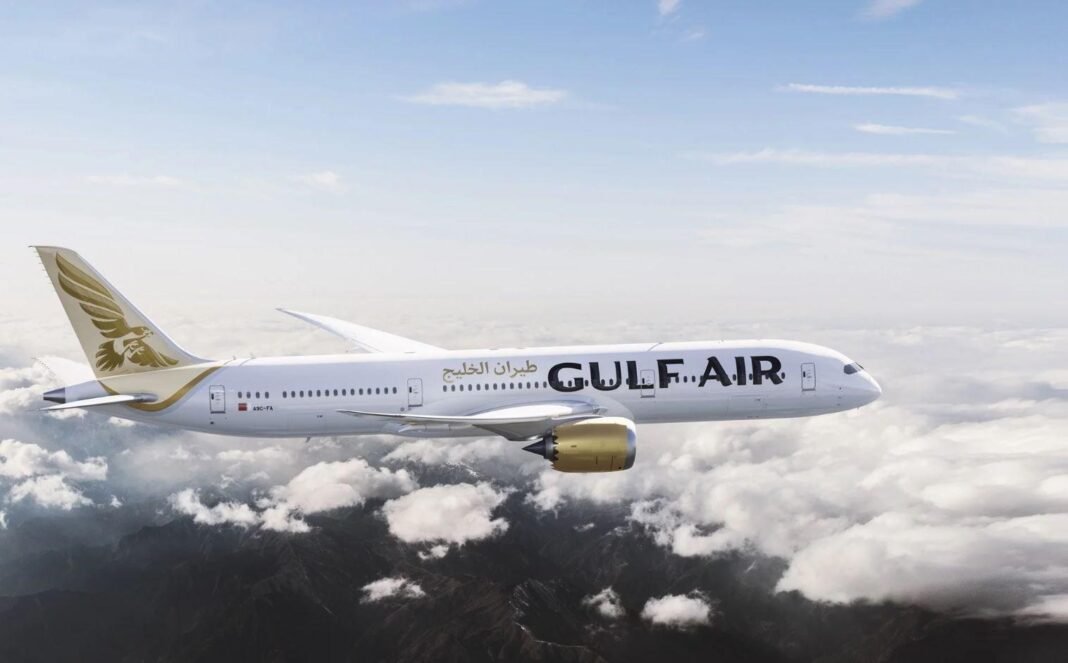
Gulf air fares may remain expensive despite a sharp decline in jet fuel prices since March. Airlines continue facing several costs that could limit ticket reductions.
Middle East jet fuel prices have fallen by more than one-third since their March peak. However, current prices remain significantly higher than last year’s levels.
The decline followed an earlier surge linked to regional conflict and supply disruptions. Nevertheless, aviation companies continue dealing with expensive fuel and complicated operating conditions.
Fuel represents one of the largest expenses for airlines worldwide. Industry estimates suggest jet fuel could account for about one-third of airline operating costs during 2026.
The global airline industry could spend nearly $350 billion on fuel this year. That figure would represent a significant increase from last year’s spending.
Brent crude prices also remain elevated compared with 2025 levels. Oil recently traded near $92 per barrel after renewed regional tensions.
Consequently, airlines cannot immediately pass lower fuel prices to passengers. Several other expenses continue affecting their overall operating costs.
Airlines also face longer flight routes because of restricted or closed airspace. These changes have affected carriers operating across parts of the Middle East.
Longer routes require aircraft to consume more fuel. They also increase crew expenses and reduce the amount of time aircraft can spend operating other flights.
Therefore, falling fuel prices do not automatically translate into cheaper tickets. Airlines must consider their complete operating costs before changing fares.
Fuel hedging also limits the immediate benefit from falling market prices. Airlines typically purchase fuel through contracts that protect them against sudden price increases.
Industry estimates indicate airlines have already hedged about one-third of expected fuel consumption. As a result, spot price movements may take time to affect costs.
Some carriers also hedge crude oil instead of refined aviation fuel. This strategy can leave airlines exposed to changes in refining margins.
The gap between crude oil and jet fuel prices remains another major concern. Refining disruptions have kept aviation fuel costs above normal levels.
Regional supply problems have also contributed to higher refined fuel prices. Meanwhile, reduced refining capacity in other markets has added further pressure.
Airlines therefore continue operating within a challenging cost environment. This situation could keep passenger fares higher than many travelers expect.
Some Gulf carriers have already indicated that fuel prices remain too high for immediate fare reductions. Consequently, passengers may continue paying elevated prices.
The impact of fuel prices also varies between airlines. Each carrier uses different hedging strategies and operates different route networks.
Emirates, for example, has previously highlighted the significant effect of oil price movements. A $1 change in oil prices can substantially affect its profitability.
The airline has also locked in part of its expected fuel requirements. Some hedging contracts cover several years of anticipated consumption.
That strategy provides greater protection when fuel prices rise sharply. However, it can also delay the benefits from falling spot prices.
Meanwhile, regional airlines continue adjusting their operations around changing airspace conditions. These changes could keep operating expenses elevated even if fuel prices decline further.
Travel demand could also influence future ticket prices. Strong demand allows airlines to maintain fares even when certain costs begin falling.
Therefore, passengers should not expect an immediate reduction in Gulf air fares. Airlines will likely monitor fuel markets, demand and regional conditions before making major changes.
Future ticket prices could also depend heavily on the duration of regional tensions. A longer conflict could create additional pressure across aviation markets.
Industry forecasts suggest global airfares could remain above earlier expectations throughout 2026. Prices could rise further if regional hostilities continue into next year.
This outlook creates challenges for travelers planning international trips. It could also affect tourism activity across Gulf destinations during upcoming travel seasons.
However, lower fuel prices could eventually provide some relief. Airlines may reduce fares if fuel costs remain lower for an extended period.
For now, several factors continue working against cheaper tickets. Fuel hedging, longer routes, expensive refining margins and strong demand all remain important.
Gulf air fares therefore face limited downward pressure despite the recent fuel price decline. Travelers may need to wait for broader cost improvements before seeing significant savings.
Overall, falling jet fuel prices offer some relief for airlines. Yet, the wider operating environment continues preventing a quick reduction in passenger fares.