



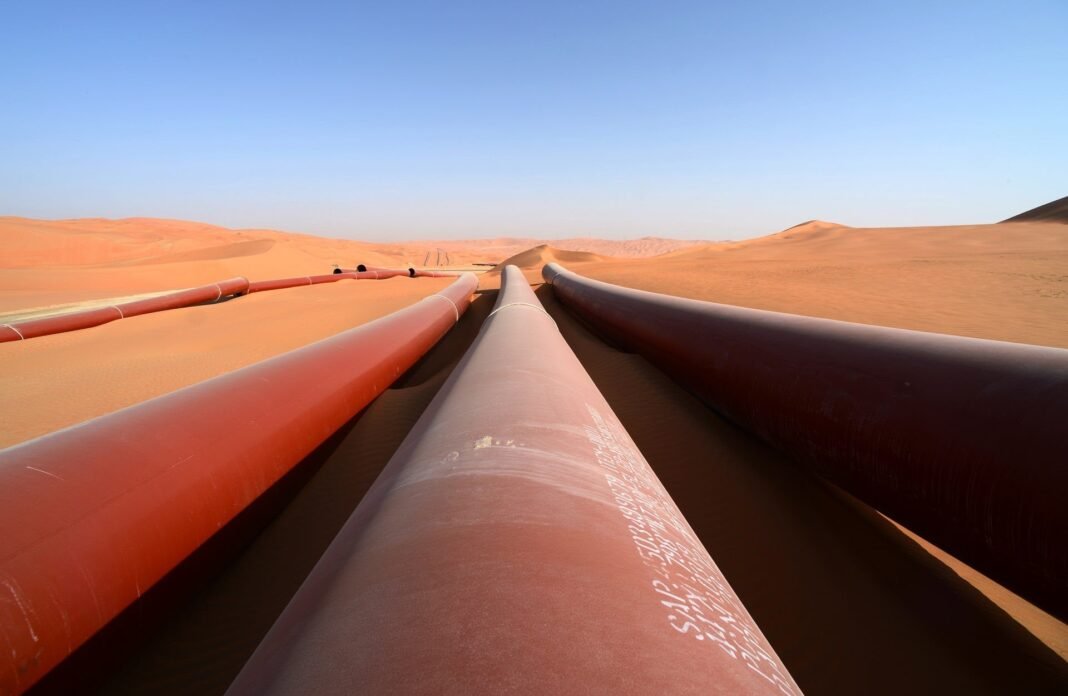
Saudi oil pipeline operations have resumed after repairs following an attack earlier this month. The restart supports Saudi Arabia’s efforts to maintain crude exports. The pipeline remains important to the country’s energy network. It also provides an alternative route for shipments through the region.
Reports indicate that oil began moving through the East-West Pipeline again this week. The pipeline connects Saudi oil fields with export facilities along the Red Sea. It allows Saudi Arabia to transport crude without relying entirely on Gulf routes. The restart could therefore support more stable export activity.
The latest development follows a drone attack on September 10. The attack disrupted operations along the major export route. Consequently, Saudi authorities faced additional pressure on their crude transportation network. Repairs then focused on restoring pipeline operations and export capacity.
Tankers also began loading crude at Red Sea ports on Sunday. Maritime tracking data showed around 40 tankers near the region. Those vessels reportedly loaded about 10 million barrels of crude oil. The activity suggests that exports have started recovering after the disruption.
The renewed shipments point to improving activity around Saudi export terminals. However, the pipeline has not returned to its previous operating level. Current reports estimate flows at around 3.5 million barrels per day. That figure remains below the levels seen before the attack.
The Saudi oil pipeline has gained greater importance during recent regional disruptions. Earlier developments affected Saudi Arabia’s preferred export routes through the Gulf. Therefore, the Red Sea route became increasingly important for crude shipments. Saudi Arabia has relied on the pipeline to maintain access to international markets.
The East-West Pipeline has carried Saudi crude toward Red Sea terminals for decades. Its role has expanded during periods of regional shipping uncertainty. The system allows Saudi Arabia to reduce reliance on Gulf export routes. It also gives the country another option during shipping disruptions.
Yanbu also experienced an interruption following the pipeline attack. The major Red Sea oil terminal reportedly stopped exports for several days. Operations later began returning as repairs progressed. The terminal remains an important part of Saudi Arabia’s export network.
Meanwhile, Saudi Arabia has continued using several routes for oil exports. Some crude shipments have moved through the Strait of Hormuz. However, continued disruptions have created challenges for production and exports. These conditions have increased the importance of alternative transportation routes.
Saudi oil pipeline activity also comes as Saudi crude production faces pressure. Production reportedly fell sharply during August. The monthly level reached its lowest point since 1990. The decline highlights the wider impact of export disruptions.
Production levels depend on storage capacity, shipping access, and available export routes. Therefore, restoring pipeline operations remains important for Saudi oil shipments. Higher pipeline flows could help support export activity in the coming period. However, the current capacity remains below previous levels.
The Saudi oil pipeline could support higher export volumes as repairs continue. However, the current flow remains below earlier levels. Further improvements could depend on infrastructure checks and regional conditions. Market participants will likely continue monitoring export activity closely.
Saudi energy officials have not publicly detailed the pipeline’s current operating status. State oil company Saudi Aramco has also provided limited public information. As a result, market participants continue monitoring tanker movements and port activity. Shipping data can provide additional signs of changing export volumes.
The restart nevertheless marks an important development for Saudi crude transportation. It restores part of a major route to Red Sea export terminals. At the same time, wider regional disruptions continue to affect energy flows. Saudi Arabia will therefore continue managing several export challenges.
Saudi Arabia now has several factors to manage across its export network. These include pipeline capacity, port operations, shipping access, and regional security. Together, these factors will influence crude movements in the coming weeks. The pipeline’s performance will remain important for future export levels.