



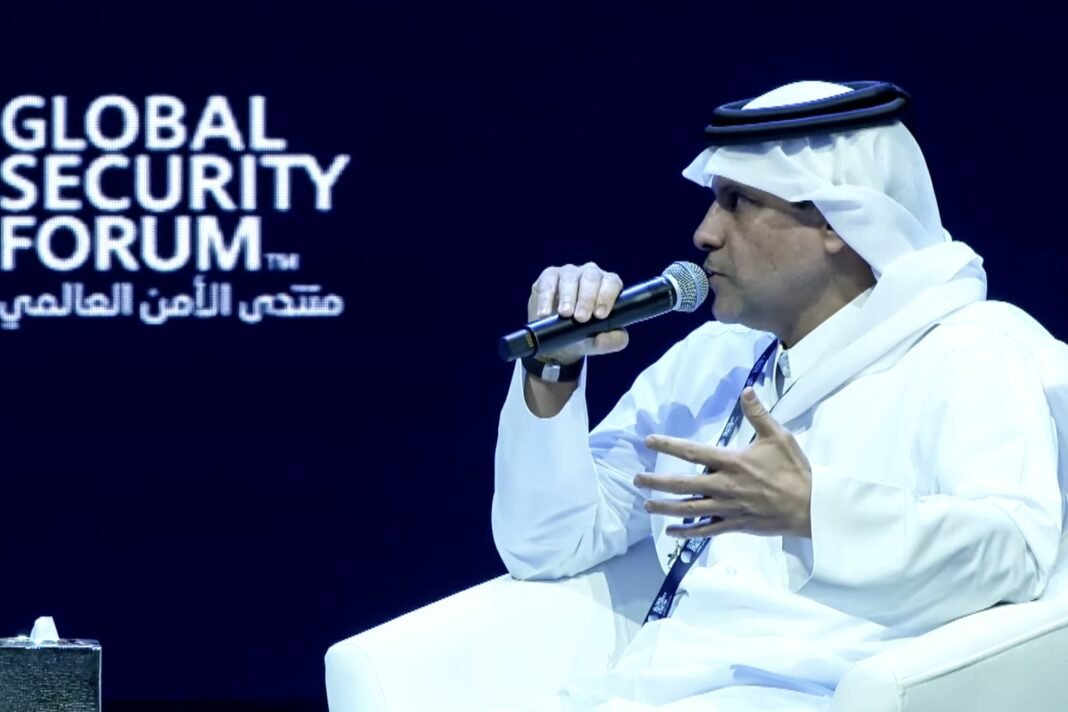
The economic shock from disrupted Gulf energy supplies has not yet peaked, Qatar’s Deputy Prime Minister and Minister of State for Defence Affairs Sheikh Saoud bin Abdulrahman Al Thani said on Monday, Al Jazeera reported.
“We haven’t reached the peak with respect to energy,” he told the Global Security Forum in Doha. He warned of further repercussions “in the coming days and months.”
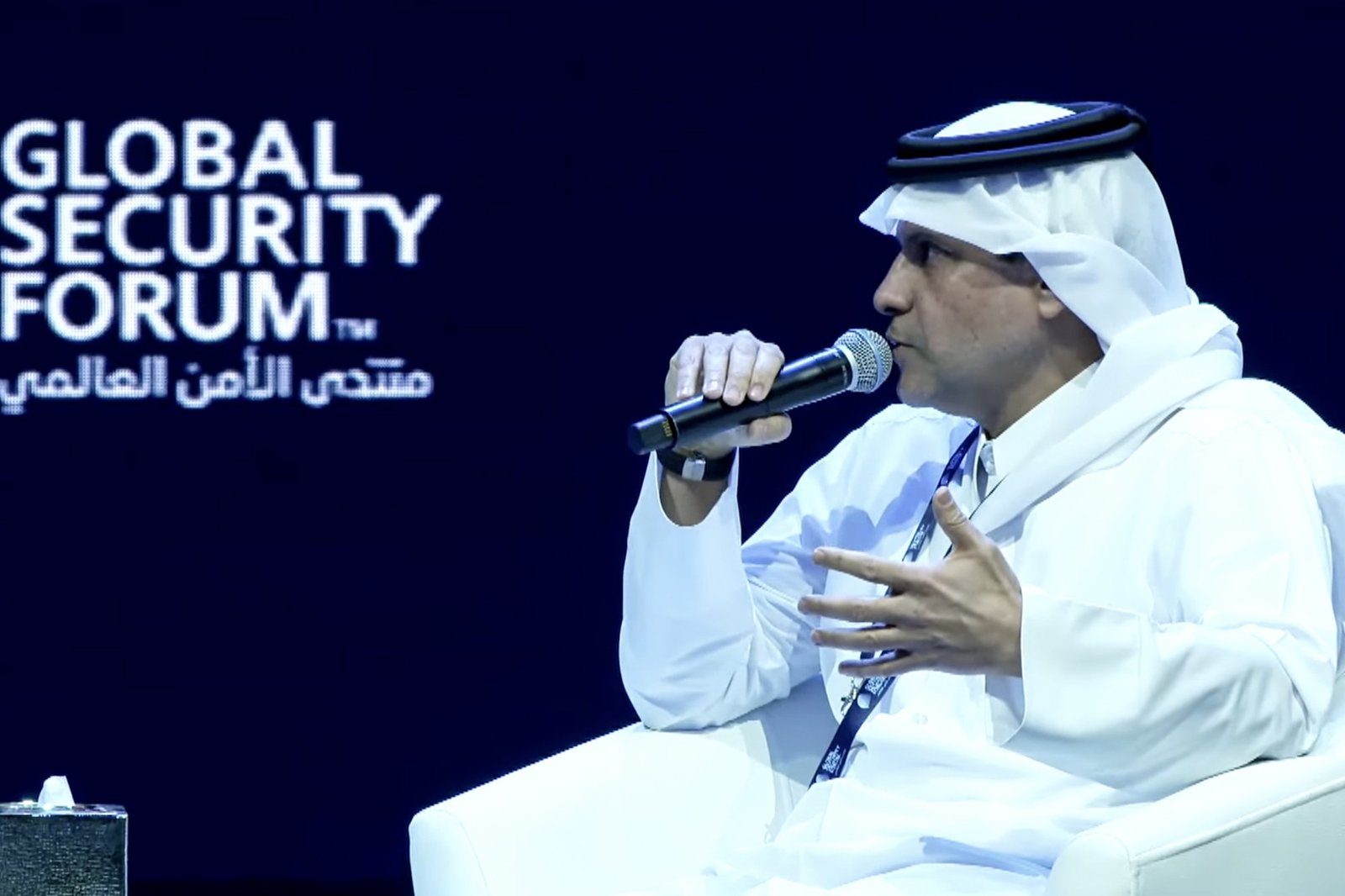
He named threats to national sovereignty, disruptions to energy supplies and the spillover of regional conflicts as the main challenges facing Qatar and its Gulf neighbors.
Instability in the Gulf could disrupt the “chain of supply from east to west and also from west to east,” he said. He added that insecurity could also affect Gulf investments in Europe and the United States, as well as financial aid that Gulf states provide to other countries.
Sheikh Saoud also spoke against charging ships to pass through the Strait of Hormuz. “Transit fees should not be applied,” he said, adding that uncertainty over the waterway would ultimately hit consumers worldwide.
Iranian strikes in March damaged Qatar’s Ras Laffan industrial complex, one of the world’s main liquefied natural gas (LNG) production hubs. Repairs are expected to take several years.
“We were surprised,” Sheikh Saoud said of the attack. He said Qatar had drawn lessons from it “to make sure that all of our assets will be protected from any unexpected attack.”
Qatar will soon announce a defense production hub, he told the forum, according to Reuters.
“We are partnering with a regional partner, in addition to other partners such as the United States, the United Kingdom, France, to make sure either we do local protection or we are investing in some of these companies,” he said. He did not name the regional partner.
Qatar has identified air defense, counter-drone systems, cybersecurity and water security as priorities after reviewing its defense capabilities, he said.
Despite the attacks, Qatar has kept up contact with Tehran. “We never stop our communication,” Sheikh Saoud said, pointing to the offshore gas field the two countries share.
The war began with US and Israeli strikes on Iran on February 28. Iran responded with missile and drone attacks across the region and has disrupted shipping through Hormuz, the route for about a fifth of global oil exports before the war.