


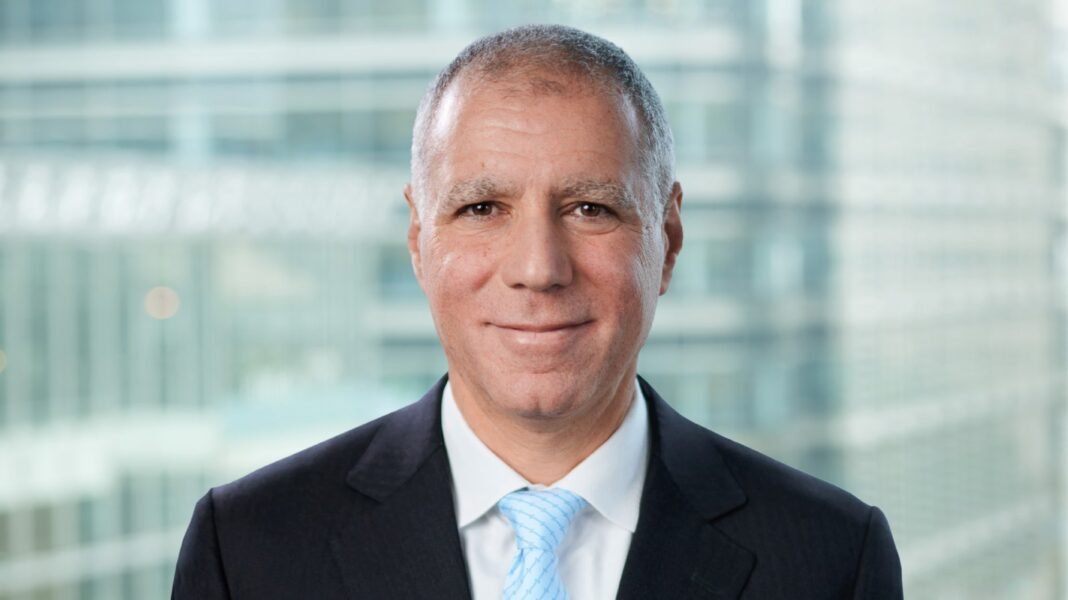
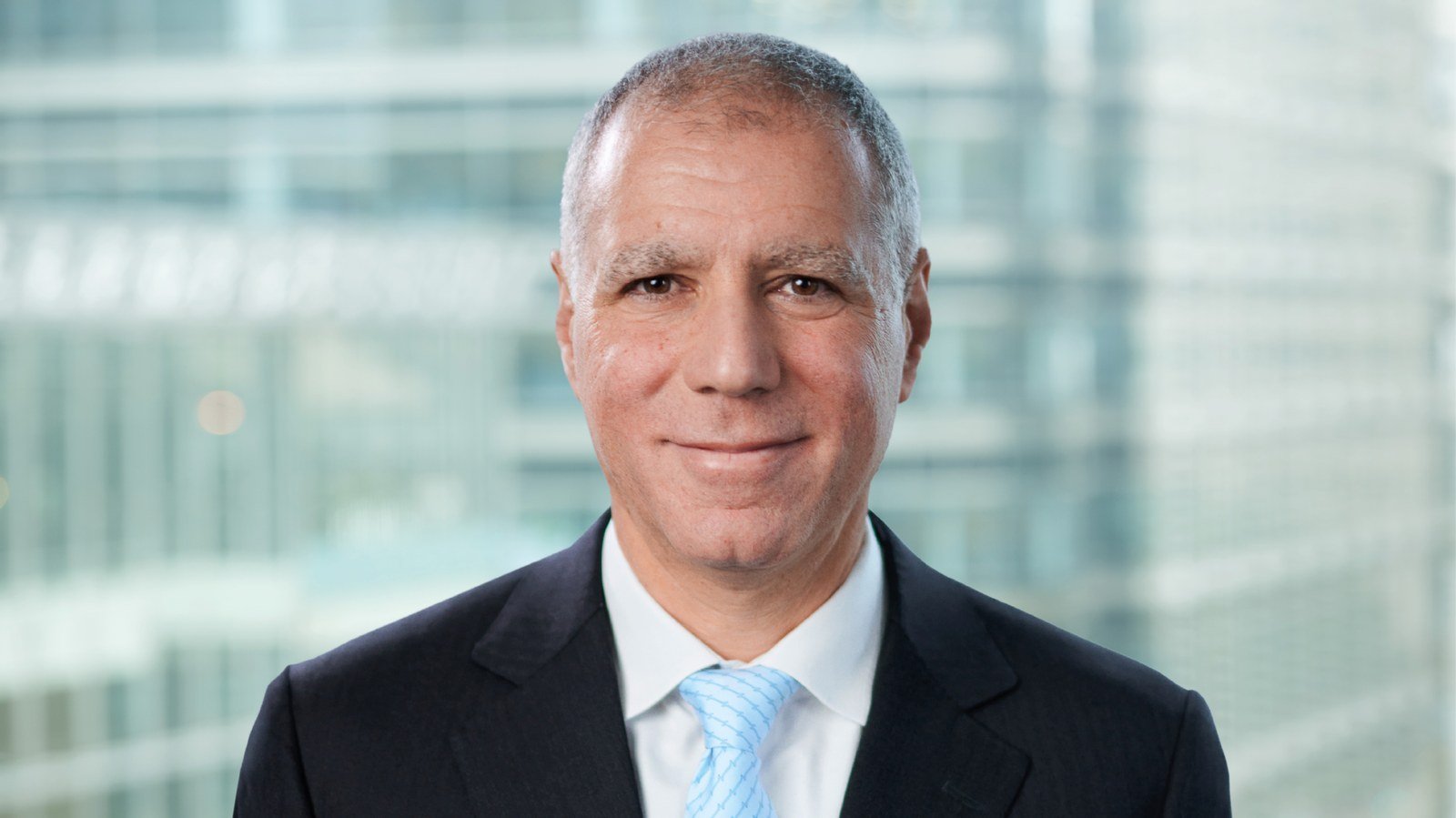
HSBC Group Chief Executive Georges Elhedery said on Tuesday that the Gulf would recover from the impact of the Iran war through investment in alternative logistics routes, which could make the Strait of Hormuz “redundant” in probably five years, Reuters reported.
“This region has always demonstrated its ability to rebound quickly. Our commitment to the GCC region is steadfast,” Elhedery said at the Future Forum 2026 in Dubai, according to Zawya. “It will recover and continue growing on the back of alternative trade routes and businesses.”
HSBC said it had identified $872 billion of individual project packages within a wider $1.4 trillion pipeline of planned and unawarded infrastructure across the Middle East, North Africa and Turkey, according to its latest infrastructure report.
The value of planned but unawarded infrastructure projects and programs in the region rose 54% to $1.22 trillion between January 2023 and January 2026, from $792 billion. The pipeline grew a further 15% to $1.4 trillion between January and October 2026, the bank said.
Contract awards for infrastructure that enables artificial intelligence reached $10.5 billion by October 2026, more than double the total for all of 2025. Transport awards reached $48.1 billion over the same period, compared with $37.1 billion for the whole of last year.
The analysis covered 4,500 infrastructure packages and programs across seven markets in transport, energy and power excluding oil and gas, water and waste, and digital and AI infrastructure.
Elhedery said capital would never be an issue for development in the GCC, though the region must offer attractive structuring and pricing to draw international investors when it taps capital markets.
“Projects are more expensive than they used to be because of the conflict, but that is not just a Middle East story,” he said. “The additional costs associated with energy and data security are not unique to the Middle East; they are a global phenomenon.”