



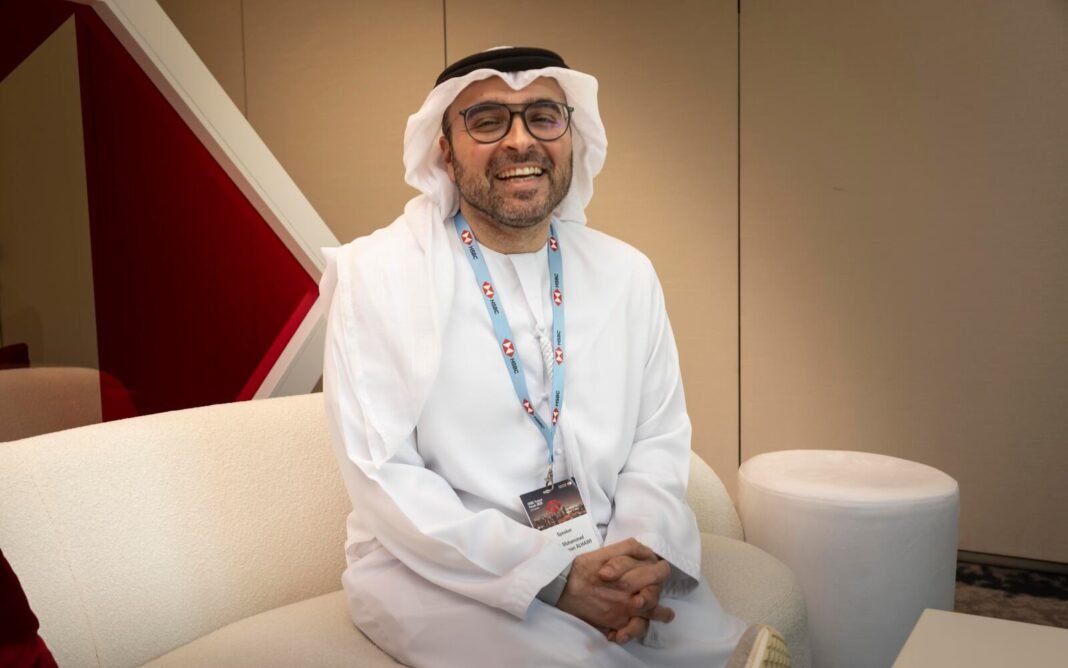
No planned foreign direct investment (FDI) in the UAE has been canceled this year despite the US-Iran war, Mohammad Abdulrahman Alhawi, Undersecretary of the UAE Ministry of Investment, told The National on Tuesday.
Some investors are waiting, delaying or scaling back their plans, he said on the sidelines of the 10th HSBC Future Forum in Dubai. He said the overall stock of FDI in the UAE this year might be fractionally lower than the record reached in 2025.
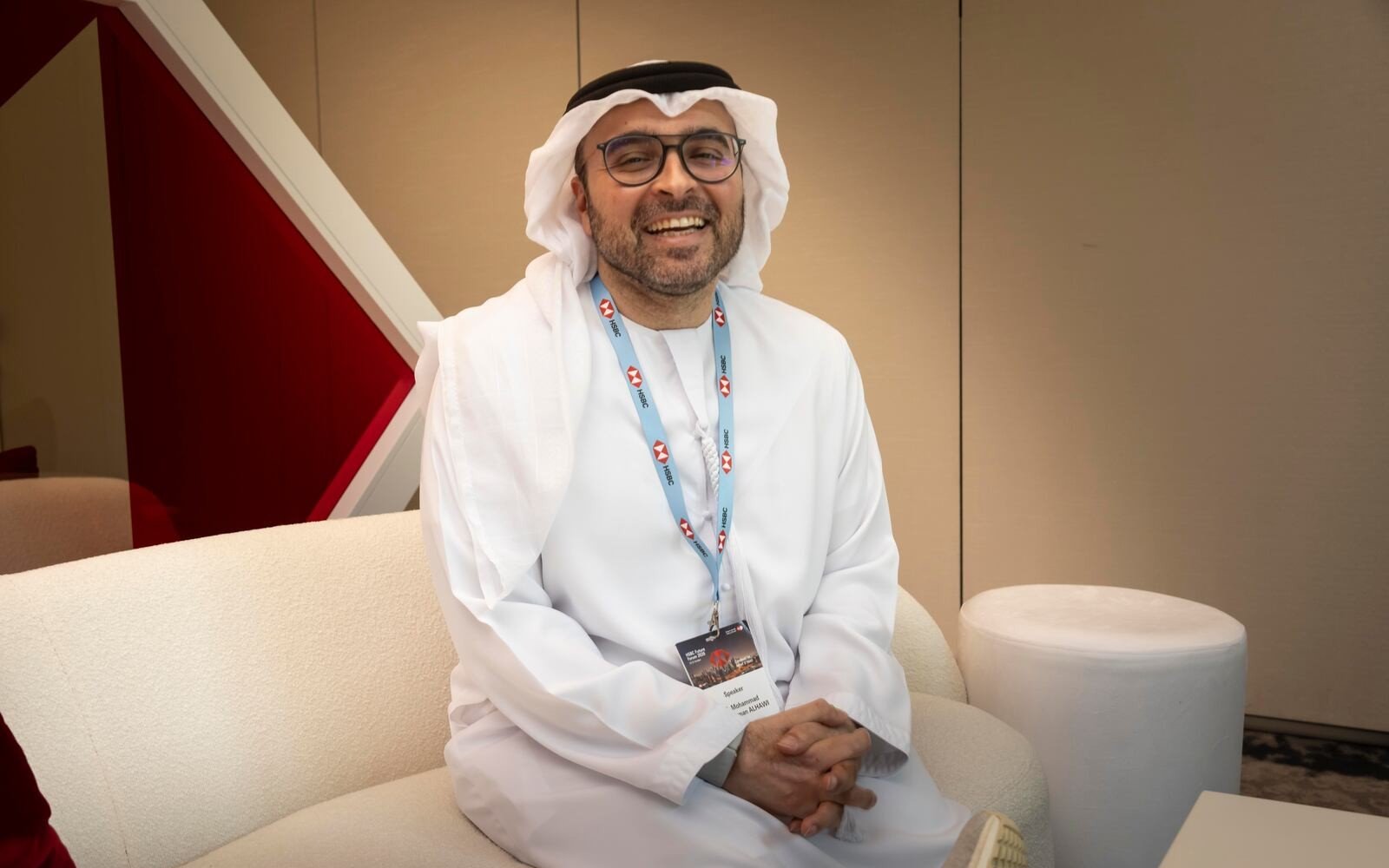
“Everyone we’ve spoken to has said: ‘We haven’t canceled our plans. We are just either waiting, or we’re delaying a little bit, or we’re decreasing the quantum a little bit but the country is capable of making up,’” Alhawi said.
FDI into the UAE rose about 6% in 2025 to a record $48.24 billion, the ninth-highest total in the world, according to data from UN Trade and Development (UNCTAD). The UAE was the largest recipient of FDI in the Middle East, ahead of Saudi Arabia, which ranked 13th globally.
Alhawi said the UAE remains on course to reach its target of $65 billion in annual FDI by 2031.
“Now that we’ve reached the $40 billion [plus] range, we expect to keep that for a couple more years before jumping to the next level, which is the $65 billion range, which is where we want to be,” he said.
The federal government is investing in ports and related infrastructure on the UAE’s east coast, in rail connectivity and in oil and gas pipelines, Alhawi said. The ministry is in talks with investors on joint ventures, and foreign investors can also partner with UAE sovereign wealth funds and family offices, he said.
HSBC estimates the UAE’s project finance pipeline at more than $190 billion. The country accounts for about 22% of the $872 billion infrastructure project pipeline across the Middle East, North Africa and Turkey, according to HSBC data.
Separately, Abdulla Balalaa, Assistant Minister for Energy and Sustainability at the Ministry of Foreign Affairs, told Khaleej Times on Tuesday that the UAE has adopted a “zero-Strait of Hormuz” strategy for shipments, with exports already leaving from its east coast on the Gulf of Oman.