


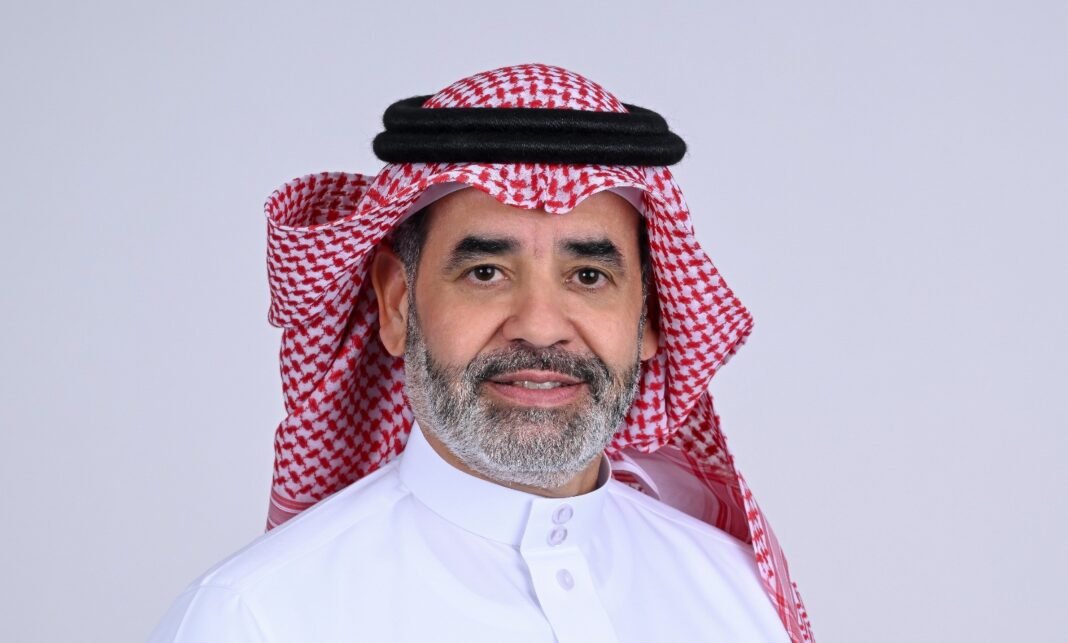
Saudi Basic Industries Corp. (SABIC) restored its total sales volumes to about 80% of pre-crisis levels in the third quarter by shifting exports to ports on Saudi Arabia’s Red Sea coast, Chief Executive Officer Faisal Al-Faqeer said on Monday.
Al-Faqeer said on a call to discuss quarterly results that SABIC increased the volume of polymers moved from Jubail to west coast ports by more than 230% compared with pre-crisis levels. Vessel loadings rose 38% from the previous quarter, he said, according to Saudi financial news site Maaal.
He said the company had responded quickly to the disruption to shipping through the Strait of Hormuz by using the kingdom’s east-west infrastructure and alternative shipping routes.
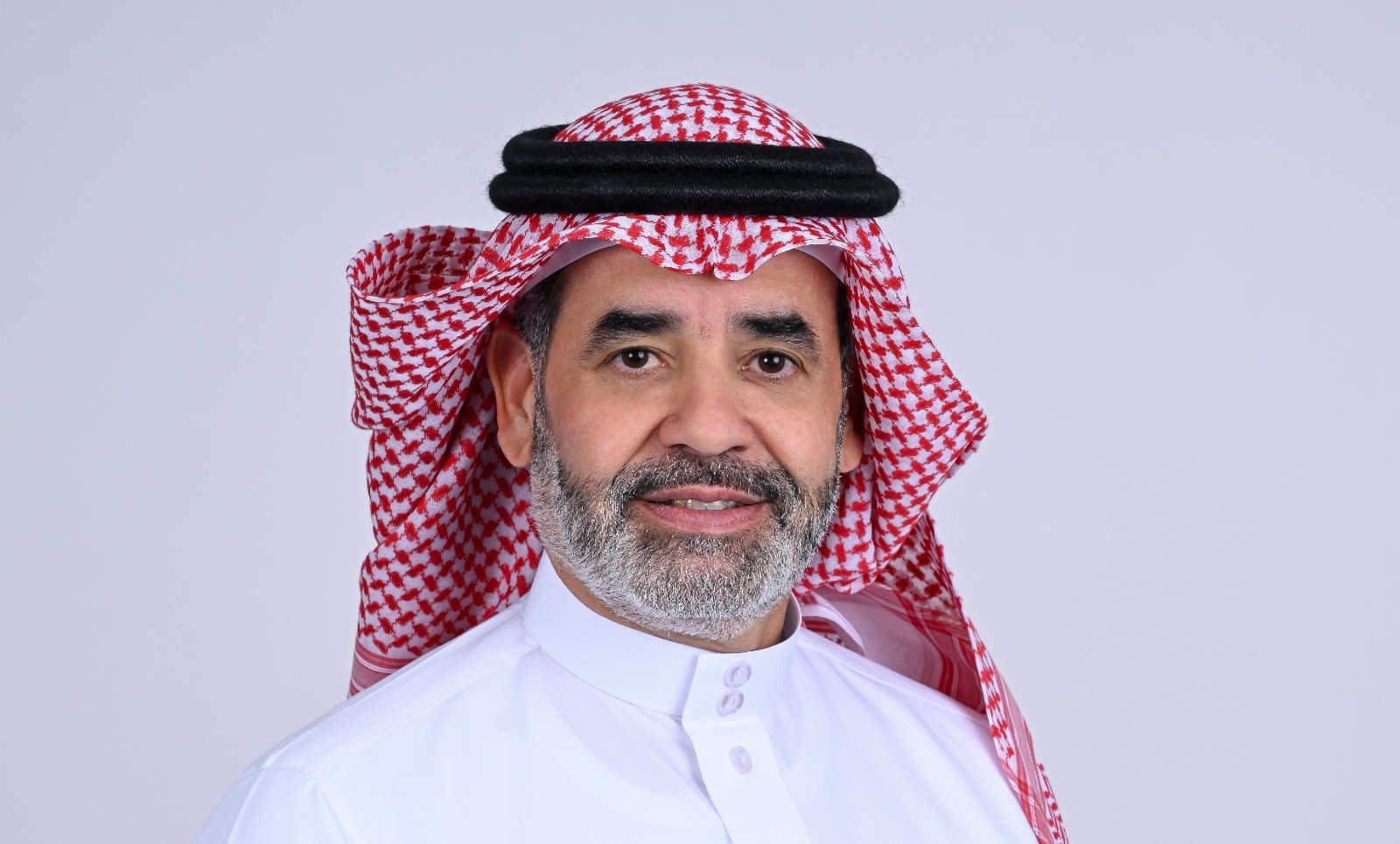
SABIC Agri-Nutrients shipped its first cargo of urea through the port of NEOM in the third quarter, adding an outlet to routes recently set up through Yanbu, Rabigh and Jeddah, Al-Faqeer said.
SABIC’s sales rose 30% from the second quarter, after falling 33% in that quarter because of the Hormuz disruption, Asharq Business reported. Al-Faqeer said it was too early to discuss fourth-quarter performance.
The company reported a third-quarter net profit of SR499 million on Sunday, reversing a second-quarter loss of SR832.9 million.
Chief Financial Officer Salah Al-Hareeqi said lower feedstock costs and higher plant operating rates improved margins in the quarter, while lower average selling prices partly offset the gain. Al-Faqeer said the company’s propane and butane prices fell 35% and 38%, respectively, from the second quarter.
SABIC has reprioritized some projects by changing their phasing or scope and is close to finalizing its 2027 plan and capital spending, Al-Faqeer said. The company has cut its 2026 capital expenditure guidance to $3 billion to $3.3 billion from an earlier range of $3.5 billion to $4 billion.
Under a transformation program started in 2024, SABIC targets a recurring annual improvement of $3 billion in earnings before interest, taxes, depreciation and amortization by 2030. The target includes $1.4 billion of cost cuts and $1.6 billion from value creation and synergies, the chief financial officer said.
Al-Faqeer said current high petrochemical prices are temporary and that markets should return to pre-crisis conditions once Middle East producers restore their output. He said SABIC is not planning to cancel new projects.
SABIC continues to work with regulators and Saudi Aramco to secure ethane for its affiliate Saudi Kayan, and has spare capacity at other crackers that could take additional ethane, he said.