



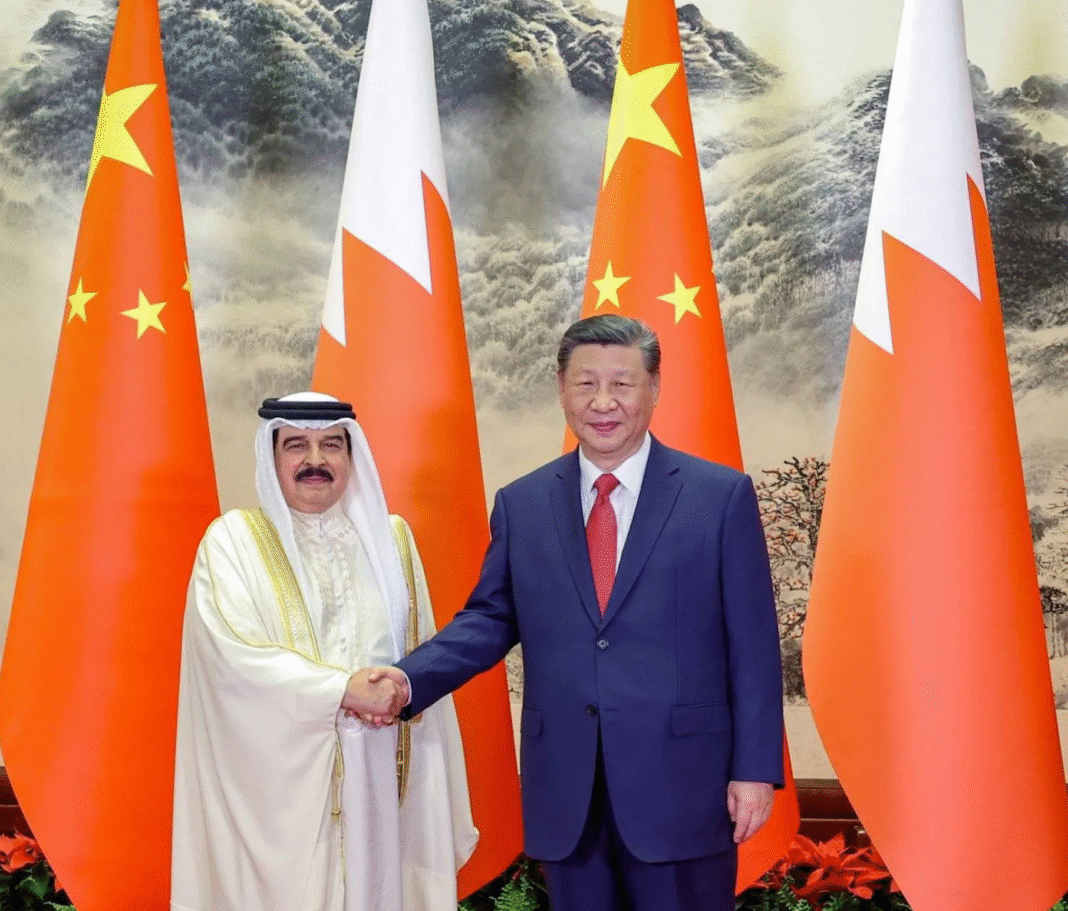
Bilateral cooperation between China and Bahrain has deepened, with trade exceeding $2 billion. Chinese companies actively contribute to energy, housing, telecommunications, and manufacturing projects. These efforts align with Bahrain’s Economic Vision 2030 and China’s Belt and Road Initiative.
Speaking at a reception in Manama marking the 76th anniversary of the founding of the People’s Republic of China, Chinese Ambassador to Bahrain H.E. Ni Ruchi highlighted growing cultural exchanges. More Bahrainis are visiting China to experience its culture, while Bahrain hosts an increasing number of Chinese visitors.
Ambassador Ni recalled His Majesty King Hamad bin Isa Al Khalifa’s successful visit to China last year, which strengthened political and strategic ties. The visit led to initiatives including a comprehensive health strategy and reinforced bilateral cooperation. He praised Bahrain’s active role in the United Nations, particularly its initiative to designate an International Day of Peaceful Coexistence.
The reception concluded with cultural performances, showcasing the enduring friendship between the two nations. Senior officials, diplomats, and distinguished guests attended the event, reflecting the importance of this strategic partnership.
In his remarks, Ambassador Ni reflected on China’s recent economic performance. He noted that China’s total imports and exports in the first half of 2025 exceeded $3 trillion, a 29% increase compared to the previous year.
The ambassador emphasized China’s commitment to working with Bahrain to strengthen strategic alignment and elevate their comprehensive partnership. He extended best wishes for continued friendship and deeper collaboration across trade, culture, and technology sectors.
Officials noted that joint projects in housing, energy, and telecommunications continue to grow, creating opportunities for private-sector investment and knowledge transfer. Analysts said these initiatives will likely boost economic growth in both countries.
Looking ahead, both nations plan to expand cooperation in education, technology, and cultural exchange programs. Experts anticipate stronger political ties, increased trade flows, and greater integration in regional development projects.

