



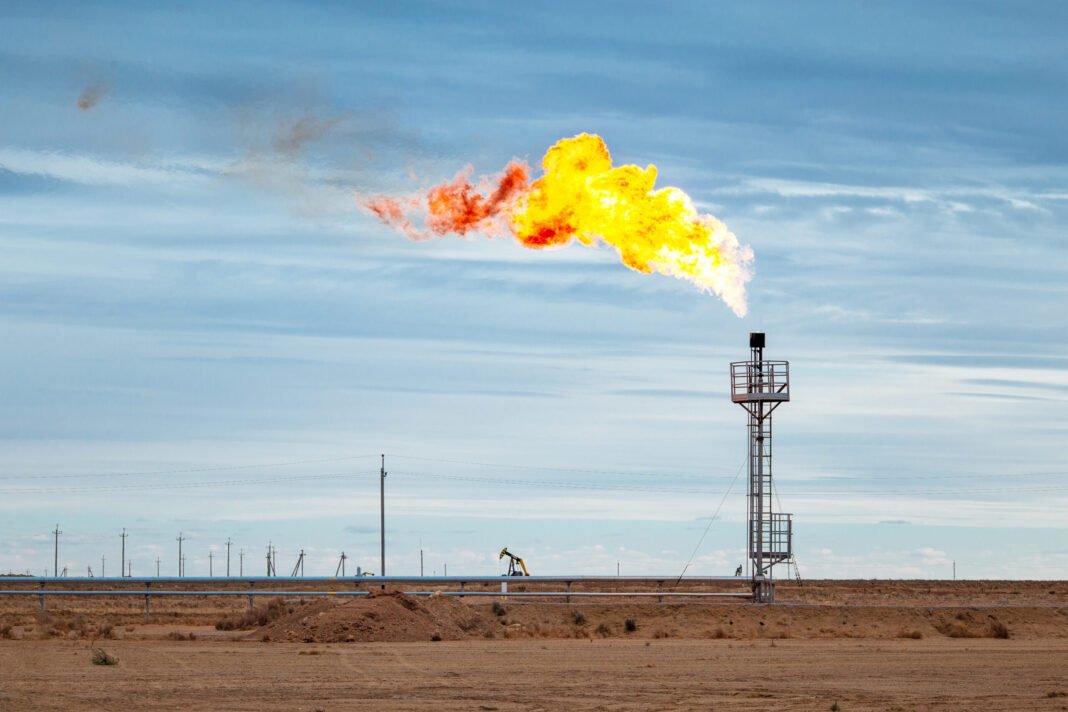
Iraq is moving closer to ending gas flaring in its oil fields, a shift that is expected to transform the nation both economically and environmentally. Gas flaring reduction is advancing across the southern and middle Euphrates oil fields, with developers reporting steady progress.
Ali Al-Lami, a member of the Iraqi Parliament’s Oil and Energy Committee, explained that ending flaring by 2027 will allow Iraq to use its gas for exports and local power generation. This strategy could reduce reliance on imports and significantly increase state revenues.
Furthermore, the initiative will improve environmental and public health outcomes. Decades of burning gas released toxic fumes, increasing air pollution and respiratory illnesses in oil-producing cities. Reducing flaring will tackle these concerns while lowering carbon emissions, helping Iraq meet regional environmental standards.
Al-Lami added that operations employ advanced global technologies in partnership with specialized firms. These methods ensure efficiency while protecting the environment and enhancing air quality. Experts say the plan also strengthens Iraq’s position as a responsible energy producer.
The gas captured from reduced flaring can fuel power plants and support local industries, creating jobs and economic opportunities. Analysts highlight that fully harnessing associated gas could generate billions in revenues and expand Iraq’s energy independence.
Government officials and industry leaders stress that the initiative aligns with broader sustainability and economic reform goals. Strategic investment in gas infrastructure demonstrates Iraq’s commitment to modernizing its energy sector while balancing environmental responsibilities.
Looking ahead, continued monitoring and investment will be critical. Officials plan to expand partnerships with international companies and improve technical capabilities to meet the 2027 target. Successful implementation could serve as a model for other oil-producing nations facing similar environmental challenges.
In conclusion, Iraq’s focus on the flaring reduction marks a major step toward economic growth, energy security, and environmental protection. The move promises long-term benefits for citizens, industry, and the nation’s global standing.