



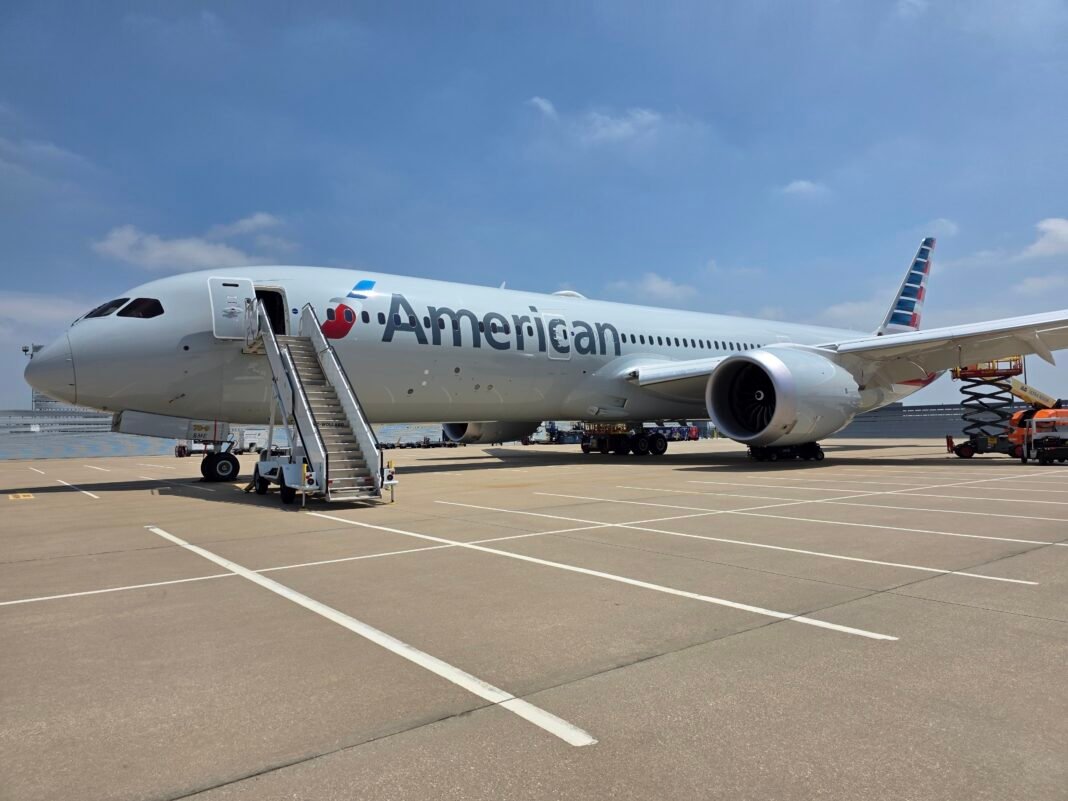
Flight suspensions now dominate the international travel landscape as American Airlines extends its service halts for Doha and Tel Aviv this Tuesday. The carrier made this decision following a fresh wave of drone and missile attacks launched by the Iranian military across the Gulf. These strikes targeted critical civilian infrastructure, including major airports in Dubai, Abu Dhabi, Doha, and Kuwait City.
Consequently, the airline has prioritized the safety of its passengers and crew by avoiding these high-risk zones entirely. This extension follows similar moves by other global carriers who find the current regional airspace too volatile for regular transit. Therefore, flight suspensions remain a necessary measure until authorities can guarantee the security of the commercial corridors.
Iranian hardliners reportedly overruled their own president to continue these aggressive operations against their neighbors. The Revolutionary Guards explicitly stated they will block all oil exports from the region until the current military actions cease.
In response, President Trump suggested that the conflict might end much sooner than his initial four-week prediction. He also threatened harsher retaliatory strikes if any further disruption occurs within the Strait of Hormuz shipping lanes.
These diplomatic exchanges have created a climate of extreme uncertainty for the global aviation and energy sectors. As a result, many travelers face prolonged delays while airlines navigate these rapidly shifting geopolitical boundaries.
Transitioning to the economic impact, the suggestion of a shorter war helped stabilize the volatile global energy markets. Oil prices recently spiked to $100 a barrel but retreated to the mid-$80s following the latest White House briefings. This downward trend reversed the significant stock market declines that shook international exchanges on Monday.
However, industry analysts remain concerned about the long-term survival of low-cost carriers like Spirit Airlines during such price swings. The high cost of fuel combined with reduced passenger demand creates a difficult path for companies already facing bankruptcy. These flight suspensions add further financial pressure to a sector that is still recovering from previous global disruptions.
Beyond the immediate travel concerns, the conflict has forced many governments to issue urgent “do not travel” advisories for the region. Most major hubs in the Middle East are currently operating at a fraction of their normal capacity.
Furthermore, the targeting of the Nakhchivan airport in Azerbaijan shows that the scope of the violence is expanding geographically. This expansion complicates the rerouting efforts for long-haul flights connecting Europe and Asia. Aviation experts suggest that the industry may need several months to restore its standard flight schedules once a ceasefire begins.
Until then, the focus remains on keeping passengers informed about the latest flight suspensions through digital alerts.
Looking forward, American Airlines plans to review its schedule daily as new intelligence becomes available from security agencies. The company encourages all affected customers to use their mobile app for rebooking and refund requests.
Meanwhile, regional leaders are meeting in Riyadh to discuss a unified defense strategy against the ongoing aerial threats. The outcome of these high-level talks will likely determine when international carriers feel safe enough to return to the area. Most observers believe that a full reopening of the skies depends on a verified halt to all drone activity.
Ultimately, the stability of global travel remains tied to the successful de-escalation of the military confrontation.