



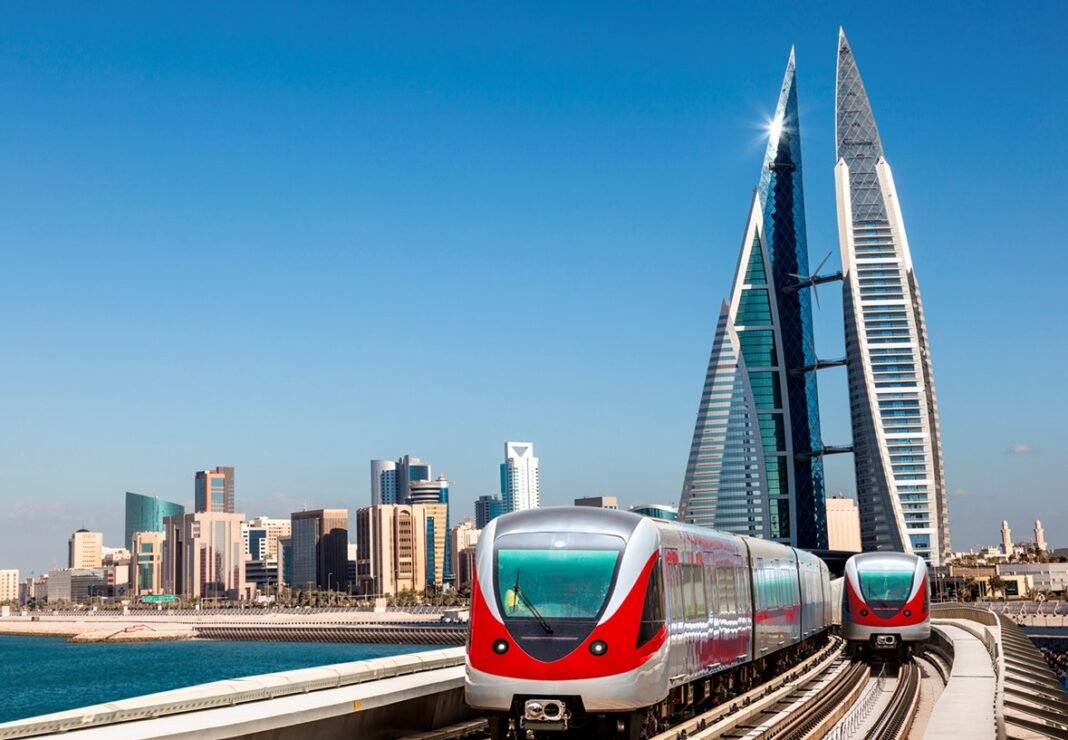
Bahrain Metro is set to transform public transport and address growing commuter demand, the Minister of Transportation and Telecommunications, Dr Shaikh Abdulla bin Ahmed Al Khalifa, told Parliament yesterday. Consequently, the project will reduce traffic congestion and improve urban mobility.
Currently, Bahrain’s bus network handles 33,000 trips daily. On weekends, trips rise to 50,000, and during major events, they can reach 75,000. Therefore, the Bahrain Metro will provide a reliable solution to meet these increasing transportation needs.
Dr Shaikh Abdulla confirmed the metro will have two lines. One will connect Bahrain International Airport to Seef, while the other links Juffair to the Educational Area in Isa Town. Furthermore, he described the project as central to expanding mass transit and supporting sustainable transport development.
MP Lulwa Al Rumaihi welcomed the announcement. Moreover, she urged that the second phase follow promptly. She explained that densely populated areas need stronger transit connections to reduce traffic pressures and support daily commuters.
The first phase includes 20 stations along two main routes. Additionally, two interchange stations will link the lines, one at Bahrain Financial Harbour and the other at the Central Market in Manama. The ministry collaborated with the Ministry of Housing to ensure stations are accessible and serve key residential and commercial hubs.
Moreover, the ministry is improving feeder services to ensure passengers can reach metro stations conveniently. These enhancements are part of technical planning and infrastructure development that will support the metro system’s long-term success.
Experts highlight Bahrain Metro’s potential economic benefits. For example, efficient public transport can reduce traffic costs, save fuel, and boost commercial activity near stations. Additionally, construction will create jobs, and operations will support sustainable urban growth.
The ministry is now advancing remaining approvals and construction steps. Furthermore, officials plan the second phase to extend coverage across all governorates, connecting more communities efficiently.
By integrating with existing bus networks, Bahrain Metro will provide seamless, modern transportation. Therefore, this initiative aligns with Bahrain’s long-term vision for economic diversification, urban mobility, and environmental sustainability.
Overall, Bahrain Metro represents a major infrastructure milestone. Consequently, it promises efficient, reliable public transit while contributing to the kingdom’s economic and social development.

