



Food delivery platforms are reshaping how brands compete and grow in modern markets. Today, digital shelves define visibility, replacing traditional storefronts and physical placement.
In the past, brands relied on shelf positioning in supermarkets or prime locations in busy streets. However, the focus has now shifted to mobile screens and app rankings. As a result, restaurants must compete for attention inside digital ecosystems.
Across the UAE and the wider Middle East, platforms such as Talabat, Deliveroo, and Careem now act as primary marketplaces. Therefore, a brand’s ranking, images, and reviews directly influence customer decisions.
In cities like Dubai, this shift carries even greater impact. The market includes more than 13,000 restaurants and cafés. At the same time, smartphone usage remains nearly universal. Consequently, digital shelves have become the most important storefront for many brands.
Consumers now discover restaurants directly through apps rather than external marketing channels. For example, users browse categories, compare ratings, and review promotions before placing orders. As a result, the entire customer journey happens within one platform.
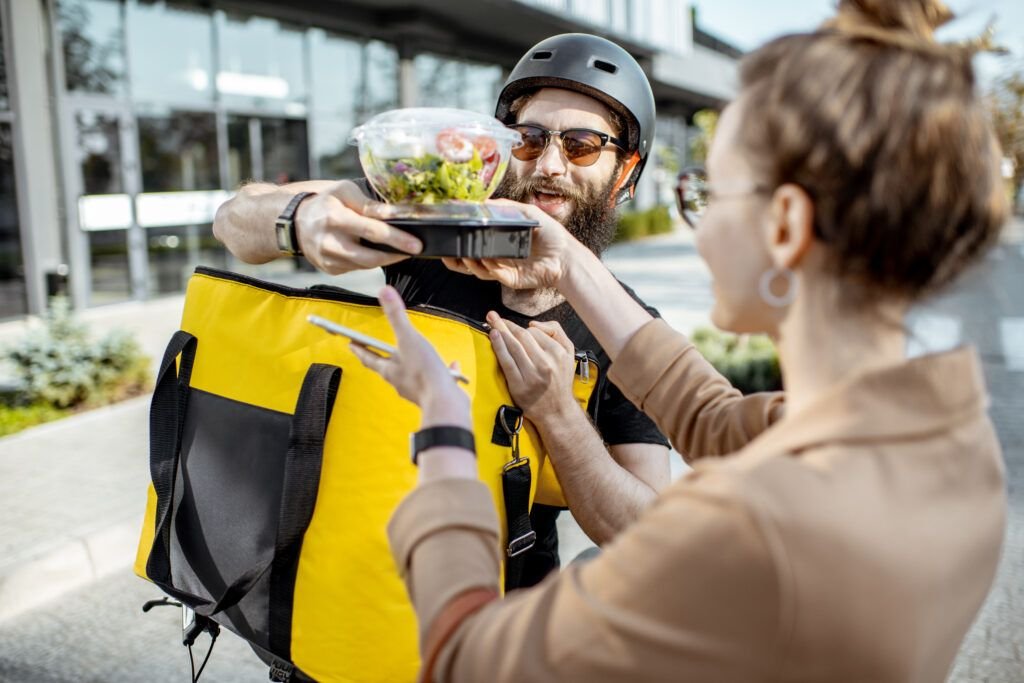
Because of this shift, delivery services have become central to the food ecosystem. Around three quarters of delivery orders in the UAE now come through aggregator platforms. Meanwhile, more than 70 percent of transactions occur on mobile devices.
Visibility within apps depends heavily on algorithms. Platforms rank restaurants based on ratings, delivery speed, order volume, and promotions. Therefore, performance inside the app directly affects success.
In practical terms, restaurants must now compete for screen placement rather than physical location. This competition changes daily as algorithms update rankings. Consequently, brands must adapt quickly to maintain visibility.
At the same time, digital merchandising plays a critical role in conversion. Menu design, pricing, images, and bundle offers all influence purchasing decisions. Even small changes can increase order volumes significantly.
For instance, adjusting menu layouts or highlighting popular items can improve customer engagement. As a result, brands can boost revenue without increasing marketing spend.
Data has also become a key competitive advantage. Every click and order provides valuable insights into customer behavior. Therefore, brands can refine strategies based on real-time performance.
However, many operators face challenges in analysing this data. They must balance operations, staffing, and customer service. As a result, some brands struggle to use data effectively.
Still, companies that leverage analytics gain a strong edge. By focusing on peak demand periods, brands can improve returns and reduce wasted spending. This approach mirrors traditional retail strategies but in a digital format.
Meanwhile, a new ecosystem of service providers is emerging. These firms help brands optimise their presence on delivery platforms. They focus on visibility, performance, and data-driven decisions.
Looking ahead, the regional delivery market continues to expand rapidly. Projections show it could exceed $35 billion by 2030. Therefore, competition on digital shelves will only intensify.
Ultimately, success in this evolving landscape depends on adaptability. Brands must understand how platforms operate and respond to changing algorithms. Because today, the most valuable shelf is no longer physical.

