



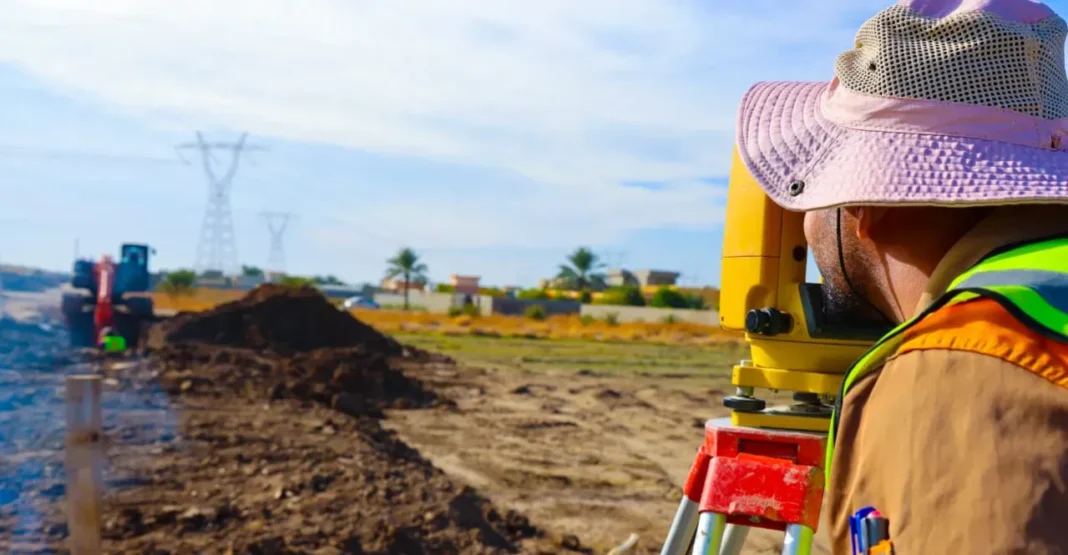
Contractors in Diyala province, eastern Iraq, face major financial challenges as government institutions owe nearly 500 billion dinars, approximately $350 million, delaying crucial projects and threatening local business stability. Diyala contractor payments remain a growing concern.
Ismail Barhoumi, head of the Diyala Contractors Union, explained that companies continue working on assigned projects despite unresolved payments. He noted that caretaker Prime Minister Mohammed Shia Al-Sudani pledged nationwide payments totaling 5 trillion dinars ($3.5 billion), but the government released less than 3 trillion dinars, leaving a shortfall of over 2 trillion dinars ($1.4 billion).
Barhoumi added that authorities jailed some contractors over unpaid obligations, while others abandoned the sector entirely. Currently, around 200 companies remain active in Diyala, compared with over 1,100 previously registered. This decline illustrates the severe impact of unpaid dues on local business activity.
The delay in Diyala contractor payments stems from Iraq’s ongoing fiscal constraints. Government spending remains limited under the 1/12 rule due to the absence of approved 2025 budget tables. Consequently, the government has frozen payments, and many essential public works and infrastructure projects have come to a standstill.
Service provision across several provinces has also suffered. Infrastructure reconstruction, including roads, schools, and hospitals, continues to lag, further affecting citizens’ daily lives. Contractors warn that extended delays could trigger additional sector abandonment.
Analysts emphasize that timely Diyala contractor payments are crucial for economic stability. They argue that restoring cash flow will protect local employment, sustain construction projects, and prevent further deterioration of essential services.
Officials have not yet announced a timeline for budget approval or full payment disbursement. Meanwhile, contractors continue operations cautiously, balancing limited resources against mounting financial pressures.
If the government accelerates payments, Diyala contractor payments could stabilize the local construction sector. Moreover, resumed payments may restore confidence in Iraq’s broader public works system.