



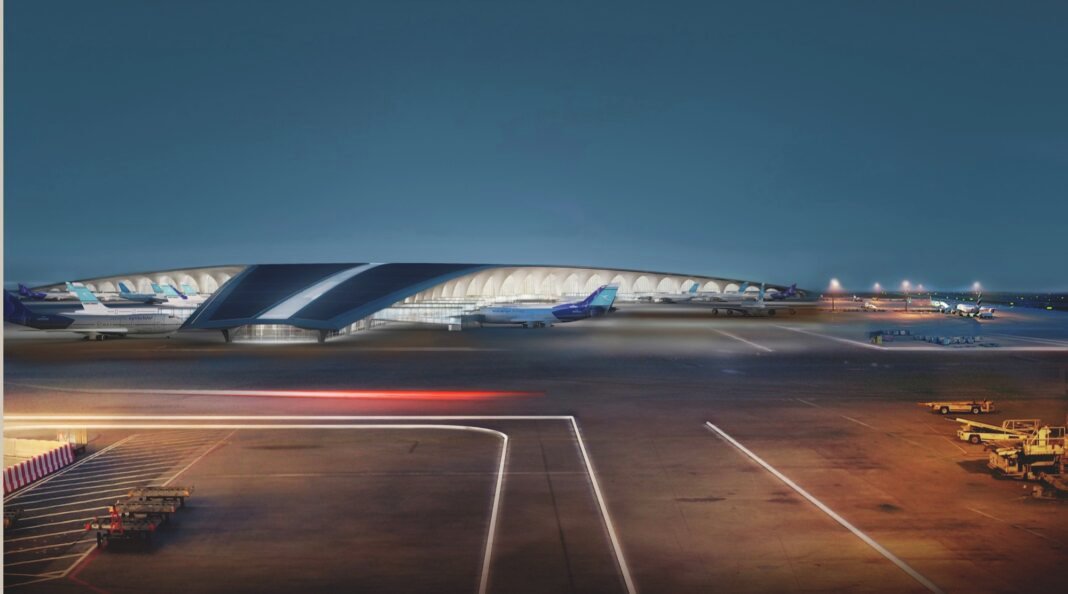
The Directorate General of Civil Aviation announced that several drones targeted Kuwait International Airport early Thursday morning. This attack caused significant material damage to the facility’s infrastructure. However, official reports confirm that the strikes resulted in no human casualties.
Directorate spokesperson Abdullah Al-Rajhi stated that emergency teams immediately activated a high-priority response plan. This protocol has remained in effect since the regional conflict began on February 28. Authorities are now assessing the full extent of the damage to Terminal 1.
The Civil Aviation Authority remains committed to taking every necessary measure to protect all travelers and staff. Specialists are currently inspecting the airfield to ensure that no unexploded debris remains on the runways. Kuwaiti air defenses continue to monitor the skies for threats.
Abdullah Al-Rajhi told the Kuwait News Agency (KUNA) that security forces coordinated fully with national authorities during the incident. This drone strike follows a pattern of repeated attacks on critical infrastructure over the past two weeks. It highlights the growing risk to civilian hubs.
The attack occurred amid a broader wave of instability affecting several Gulf countries this Thursday. Dubai reported similar drone incidents and fallen debris near Sheikh Zayed Road earlier today. Meanwhile, Saudi Arabia successfully intercepted six missiles launched toward its military installations during the night.
These persistent threats have caused a near-total shutdown of civilian airspace across the northern Persian Gulf. Most travelers now avoid the area entirely as insurance costs for commercial flights reach record highs. The government prays for the protection of the State of Kuwait.
Despite the physical damage, the Directorate maintains that its emergency response effectively contained the situation. Firefighting teams quickly extinguished a minor blaze near the fuel depots before it could spread to the main passenger areas. This prevented a much larger industrial catastrophe today.
The maritime vessels at nearby ports also increased their security levels following the airport alert. Air traffic controllers are currently rerouting any remaining airborne traffic to alternative hubs like Muscat or Riyadh. Experts suggest that these drone swarms aim to disrupt regional economic stability.
Looking forward, Kuwait International Airport will likely remain under heightened security for the foreseeable future. The ongoing regional conflict forces tankers in the Persian Gulf to adopt extra precautions while navigating the contested waterways. Passengers should check their flight status through official airline apps.
The government continues to work with international partners to enhance its aerial defense network. Many reports indicate that the regional conflict has already caused significant deficits in global energy and travel markets. Ultimately, the full restoration of airport services depends on neutralizing these persistent drone threats.