



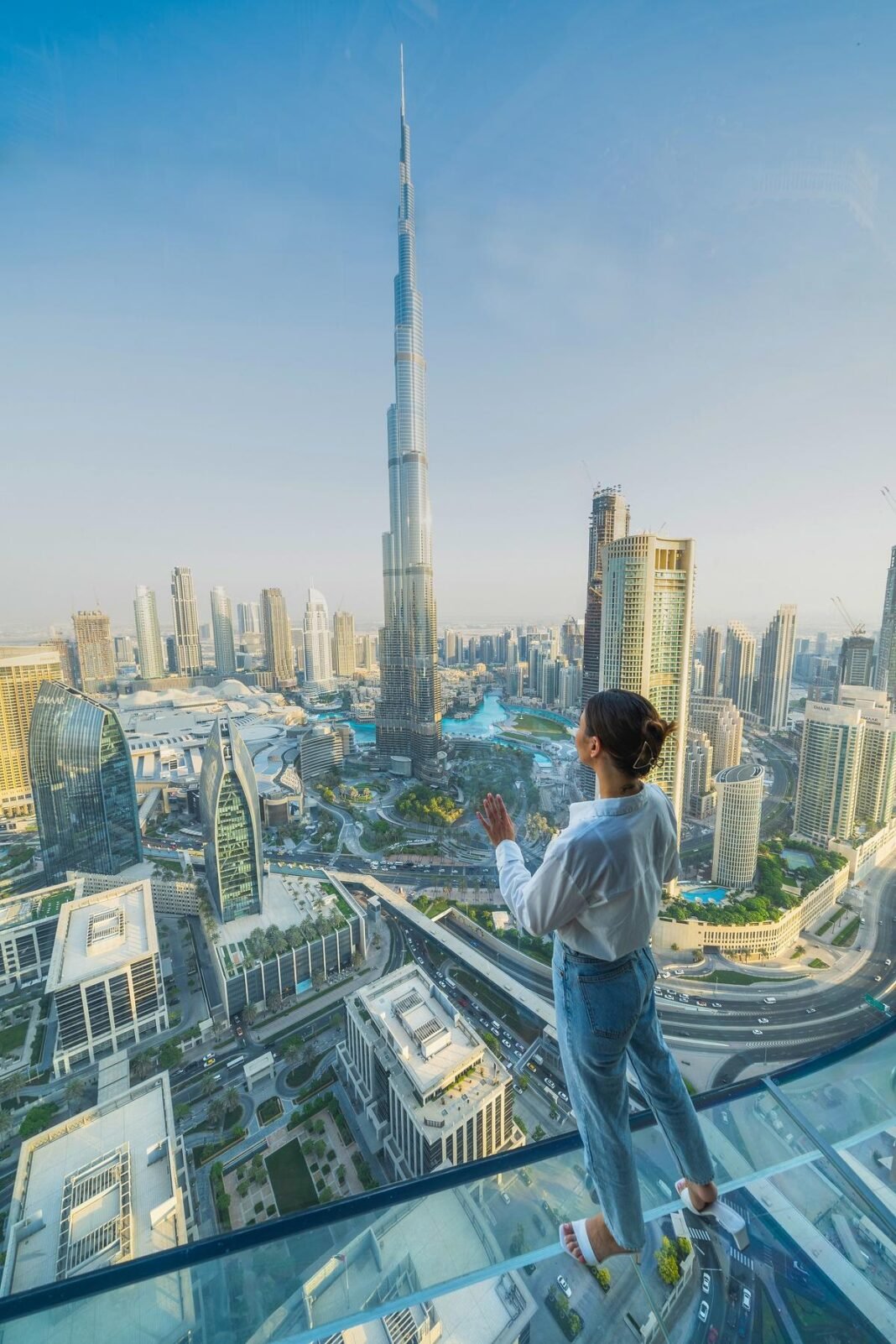
Dubai rental market trends show a clear change in 2026. The Dubai rental market now reflects stronger focus on value and flexibility. Moreover, tenants demand affordability as new supply enters the sector.
Landlords across Dubai are adjusting their strategies. Instead of relying on rapid rent growth, they now compete on terms. As a result, many owners offer shorter lease durations. For example, six or nine-month contracts now replace traditional annual agreements.
This shift appeals to expatriates and mobile professionals. In addition, families seeking flexibility prefer shorter commitments. Therefore, landlords increasingly structure leases around tenant needs.
Furthermore, many property owners introduce rent-free periods. Others allow staggered payment schedules across several cheques. Consequently, tenants gain financial breathing space during initial months. These measures help landlords secure occupancy in a competitive environment.
At the same time, owners upgrade older properties. They renovate kitchens and modernize interiors. They also install new appliances and improve common areas. As a result, previously dated units now attract stronger interest.
Industry analysts note a clear distinction in performance. Well-maintained and upgraded homes achieve better retention rates. Meanwhile, non-refurbished stock struggles to compete. Therefore, proactive asset management shapes leasing outcomes.
In early 2025, authorities introduced the Smart Rental Index. Consequently, both landlords and tenants gained clearer rental benchmarks. This transparency supports smoother renewal discussions. It also reduces unrealistic pricing expectations.
Supply figures reinforce the market shift. Developers plan to deliver about 78,300 apartments this year. They also expect around 14,800 villas to enter the market. By comparison, last year saw roughly 37,950 apartments completed. Villa deliveries reached about 9,700 units.
Because supply expands, competition naturally increases. However, demand continues to support the sector. Population growth and business activity sustain leasing activity. Therefore, rents still rise in several prime districts.
Nevertheless, growth now moves at a slower pace. The double-digit surges of previous years have eased. Instead, the market shows steadier and more sustainable expansion. This moderation signals a maturing property cycle.
Importantly, the Dubai rental market no longer rewards passive ownership. Landlords must actively manage assets to maintain pricing power. They must respond quickly to tenant expectations.
Ultimately, flexibility defines the current phase. Owners who prioritize upgrades and tenant-friendly terms protect occupancy levels. In contrast, rigid pricing strategies risk longer vacancies.
Looking ahead, analysts expect continued balance between supply and demand. If delivery schedules remain on track, competition will intensify further. Even so, underlying demand should keep the Dubai rental market stable through 2026.