



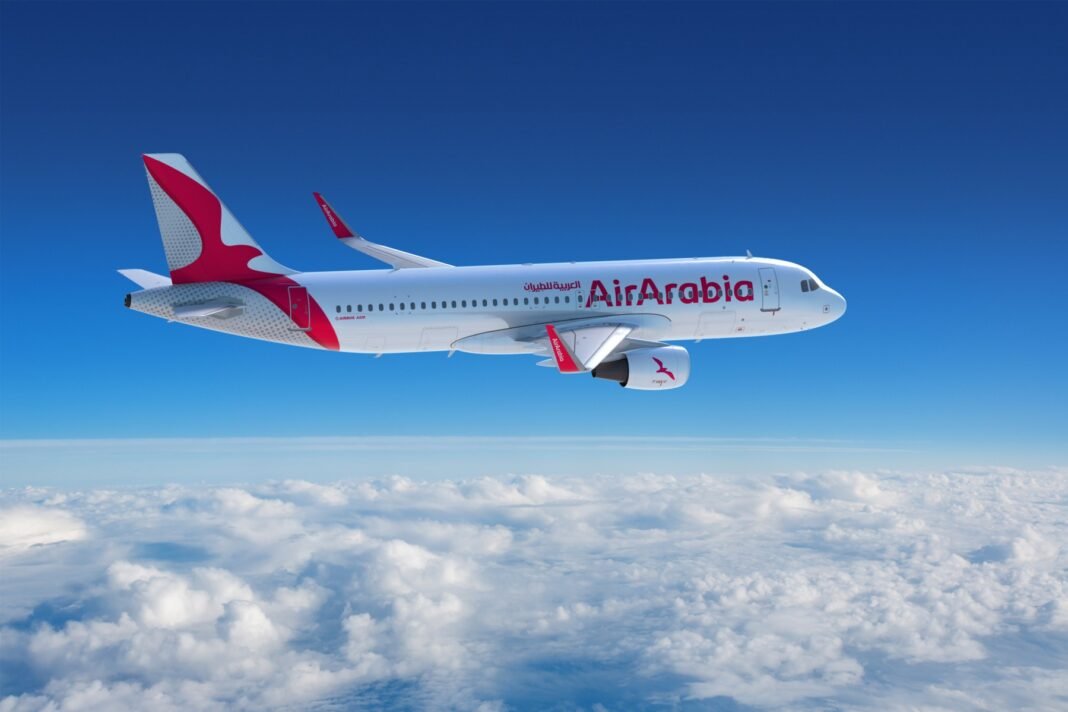
Gulf strikes continue to disrupt travel as Etihad Airways suspends flights for a third consecutive day. Meanwhile, the airline announced that it will ground all flights to and from Abu Dhabi until 2pm local time on Tuesday, March 3. Gulf strikes force airlines to adjust operations quickly amid rising regional tensions.
Passengers holding Etihad tickets issued on or before February 28, with travel dates through March 7, can rebook free of charge. In addition, they may travel on Etihad flights up to March 18. Airline officials warned that high call volumes could delay responses to customer inquiries.
Aviation data shows that more than 2,000 inbound flights cancelled across Gulf and Middle East countries as of 2:30 a.m. Tuesday. Consequently, nearly half of all scheduled flights stopped operating. Gulf strikes force airports and airlines to respond rapidly to an unpredictable situation.
Aircraft typically return to their home base every 24 hours, and therefore cancellations compound scheduling challenges. Approximately 900,000 seats were scheduled daily for travel to and within the region. However, airspace closures forced both domestic and international travelers to delay or cancel trips.
Several Middle Eastern countries closed their airspace completely. Furthermore, some airlines have not updated flight cancellations, but most affected flights never operated. As a result, Gulf strikes continue to disrupt airline operations and global travel.
Authorities and airline officials emphasize safety as the top priority. They urge passengers to check official channels for updates before traveling. In addition, Gulf strikes cause rerouted flights, logistical challenges, and delays across airports.
Travelers, airlines, and governments closely monitor the situation. Therefore, flight suspensions and airspace restrictions will likely continue until authorities restore safety and stability. Gulf strikes highlight how regional conflicts directly affect daily life and international transport.
The airline and aviation authorities actively work to minimize disruptions. They advise passengers to remain patient and follow instructions from official sources. Consequently, Gulf strikes may continue impacting the region, and travelers must remain flexible.

