



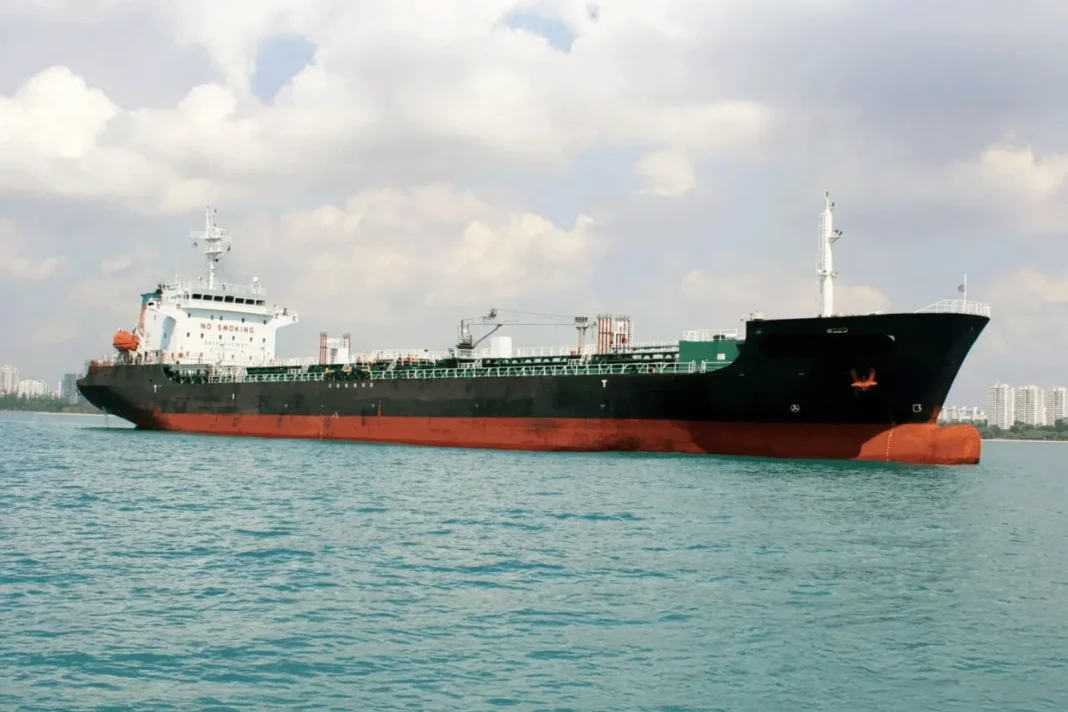
The Liberia-flagged tanker Shenlong Suezmax arrived at Mumbai Port this Wednesday with a vital shipment of Saudi Arabian crude. This vessel became the first India-bound tanker to navigate the Strait of Hormuz since regional hostilities erupted on February 28. It departed Ras Tanura on March 1.
An Indian captain safely guided the ship through the world’s most dangerous maritime chokepoint despite the ongoing blockade. This arrival marks a significant achievement for India’s energy security during a period of extreme supply chain fragility. The successful voyage offers a glimmer of hope for other commercial operators.
To ensure its safety, the crew switched off the Automatic Identification System (AIS) transponders on March 8. The Liberia-flagged ship navigated the narrowest part of the strait without detection by hostile forces. The vessel reappeared on global tracking systems on March 9 after reaching the Arabian Sea
Iranian authorities granted the tanker specific clearance following high-level diplomatic talks between New Delhi and Tehran. These discussions aimed to protect Indian-manned vessels from naval strikes. Consequently, the ship reached its destination without suffering any damage or interference from the warring parties.
Port workers now discharge the cargo at the Jawahar Dweep terminal to supply refineries in Mahul. Port officials expect the unloading process to take approximately 36 hours under strict security protocols. This delivery provides a much-needed boost to India’s domestic fuel reserves. The regional shipping freeze previously strained these reserves over the last two weeks.
Despite this success, the Ministry of Shipping actively monitors 28 other Indian-flagged vessels near the Persian Gulf. The government established a 24-hour control room to coordinate with these ships. Most operators now adopt “silent” navigation techniques to move their cargoes.
While the Shenlong reached Mumbai safely, other merchant ships faced violence in the contested waters. An unidentified projectile struck a Thai-flagged bulk carrier, the Mayuree Naree, earlier this week. This incident highlights the extreme risks for any vessel transiting the strait without explicit Iranian approval.
India officially condemned the attacks on commercial shipping. The government now explores long-term alternatives, including a 50% increase in Russian oil imports. This shift would allow India to bypass the Gulf entirely. Until a permanent ceasefire occurs, every successful transit remains a high-stakes gamble for shipping firms.
The arrival of the Shenlong may encourage other ship managers to resume their Middle Eastern routes. The Indian government provides real-time security updates to all seafarers operating in the North Arabian Sea. However, maritime insurance costs for these voyages tripled since the start of the month.
Refiners also diversify their sources to include producers in West Africa and the United States. This strategy reduces dependence on the Hormuz corridor during the current crisis. Residents in Mumbai should ignore rumors of immediate fuel shortages. Ultimately, India’s energy supply stability depends on these brave crews and strategic diplomatic efforts.