



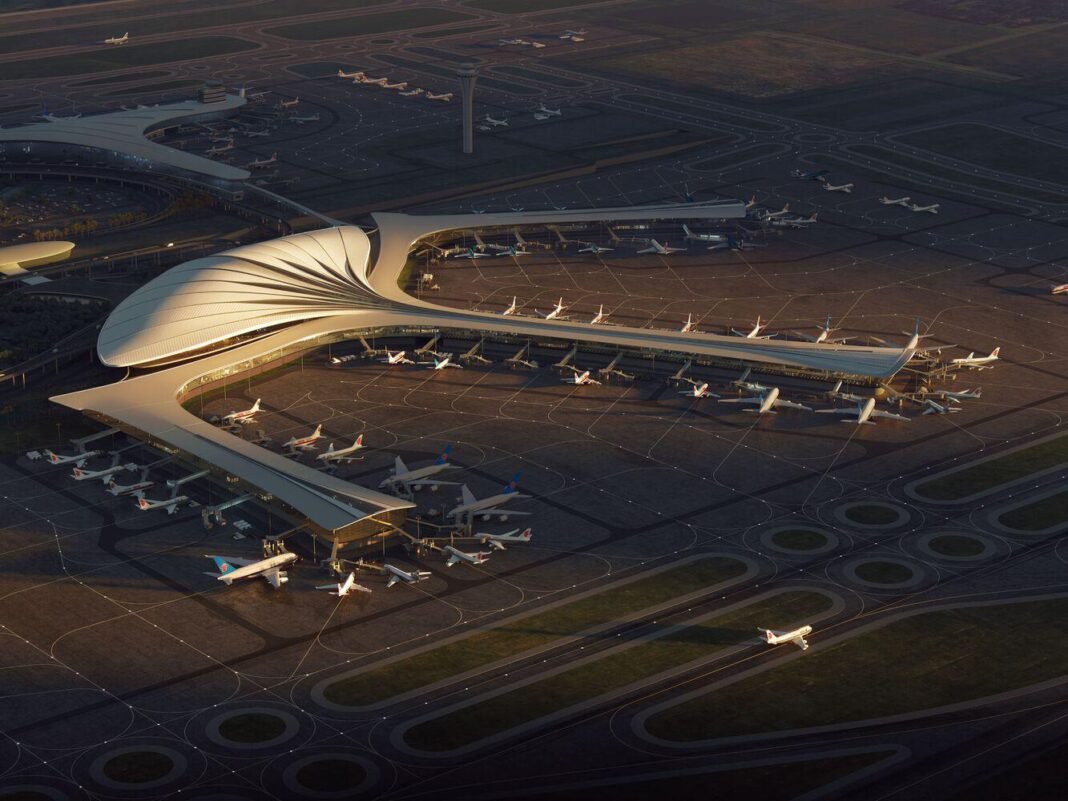
Airports across the Gulf Cooperation Council are transforming GCC airport tourism into a major engine for economic growth. Indeed, stopovers are no longer just waiting periods for travelers. Instead, governments and airport authorities are turning them into opportunities to boost short-stay tourism, hospitality, and local spending.
Moreover, airlines, airport operators, and tourism bodies are aligning strategies to treat aviation as a core pillar of the region’s economic and tourism plans. By offering streamlined visa options, digital border controls, and dedicated stopover programs, GCC countries encourage transit passengers to explore destinations during layovers. As a result, this strategy strengthens GCC airport tourism while creating new business opportunities.
Across the Gulf, airports are upgrading infrastructure to make short stays seamless. For example, biometric gates, e-passport systems, and digital border processing reduce waiting times. Additionally, coordinated public-private initiatives help passengers spend less time in queues and more time exploring cities. Consequently, short visits of 24 to 48 hours are now practical and enjoyable.
Furthermore, the introduction of a unified GCC tourist visa promises to accelerate GCC airport tourism even further. Travelers may soon move across Bahrain, Kuwait, Oman, Qatar, Saudi Arabia, and the UAE under a single permit. This means that multi-country itineraries become possible, turning the Gulf into one connected tourism corridor. Analysts therefore expect Saudi Arabia to benefit strongly due to its growing aviation network and diverse attractions.
Saudi Arabia’s tourism growth illustrates the potential of aviation-driven strategies. For instance, the Kingdom welcomed an estimated 122 million visitors in 2025, moving closer to its Vision 2030 goal of 150 million. In particular, the 96-hour digital stopover visa allows transit passengers to explore cities, cultural sites, or visit Madinah and Mecca. In addition, new carriers like Riyadh Air contribute to economic diversification, generating jobs and adding billions to non-oil GDP.
The UAE set early examples of GCC airport tourism by converting Dubai transit traffic into short-stay visitors. Through curated stopover packages, metro access, and streamlined entry processes, travelers can combine cultural, leisure, and entertainment experiences. As a result, Dubai received 19 million overnight visitors in 2025, reflecting the success of this model.
Other Gulf destinations have adopted similar strategies. For example, Abu Dhabi, Doha, and Riyadh encourage short stays through airline-led programs and integrated experiences. Indeed, fast airport-to-city connections, intuitive design, and simplified visa processes make even short layovers productive for tourism.
Experts stress that successful GCC airport tourism requires end-to-end destination planning. From trip preparation to arrival, accommodation, mobility, and departure, authorities, airlines, and service providers must coordinate. Consequently, new destinations are being designed to captivate travelers beyond mere flight connections, offering cultural immersion, nature activities, and unique experiences.
Ultimately, as airports evolve into economic gateways, GCC airport tourism increasingly drives jobs, revenue, and diversification. In other words, stopovers are now mini-holidays, demonstrating how aviation infrastructure fuels regional growth and strengthens the experience economy.