



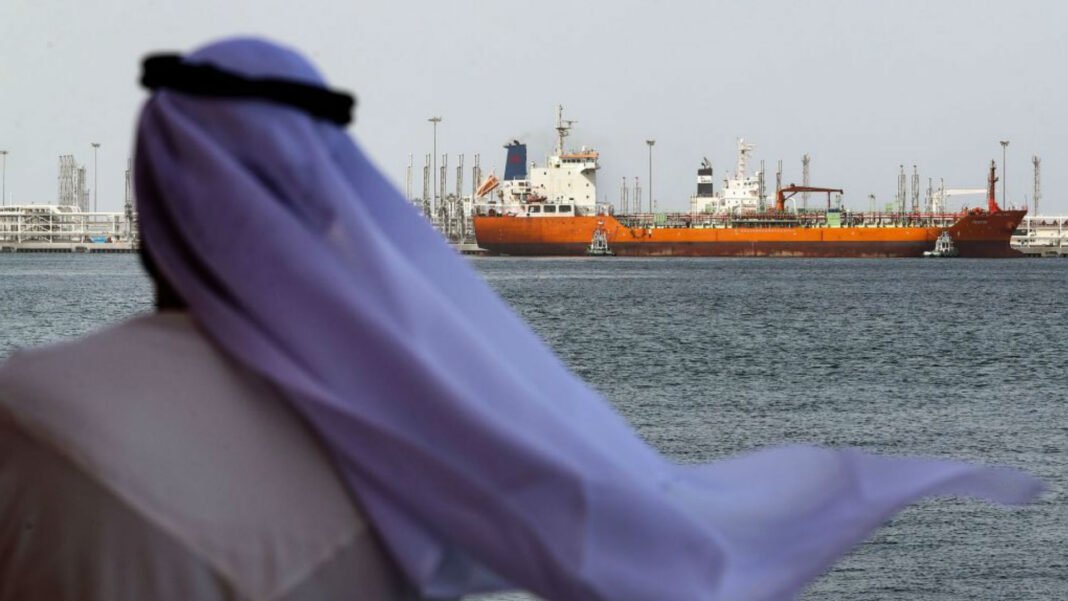
War risk shock is rippling through global energy markets as insurers retreat from Gulf waters. Shipowners now face soaring costs and rising uncertainty. War risk shock has forced dozens of tankers to halt near the UAE coast. The phrase War risk shock now dominates conversations across trading floors and shipping desks.
Several major marine insurers have canceled war-risk coverage for ships entering the Gulf. The decision takes effect on March 5. Members of the 12-club International Group of Protection and Indemnity Clubs confirmed the change. This group insures most of the world’s ocean-going fleet for third-party liabilities.
Clubs such as Gard, Skuld, NorthStandard, London P&I Club and American Club issued termination notices. They will no longer provide automatic protection against war and terrorism risks in designated high-risk areas. These areas include Iranian waters and key shipping lanes near the Strait of Hormuz.
As a result, shipowners must now negotiate expensive coverage for each voyage. While hull and machinery policies remain in place, the absence of war protection shifts the financial burden. Charterers and energy traders have started to rethink planned shipments. Many companies now delay fresh commitments until clarity returns.
Meanwhile, tanker traffic has slowed across the region. Data shows at least 150 tankers anchored outside the Strait of Hormuz. Many vessels have gathered off Fujairah, a major bunkering and storage hub on the Arabian Sea. The port usually offers relative security beyond the narrow Strait.
However, escalating tensions have weakened that buffer. Operators now weigh the cost of entering exposed waters against potential profits. Several tanker owners have paused new Gulf voyages. Energy trading houses have adopted a wait-and-see approach.
Industry specialists warn that premiums could climb sharply. Under normal conditions, war-risk rates remain modest. In conflict situations, rates can surge within days. Underwriters now quote far higher premiums where coverage remains available.
Recent incidents have intensified concern. Reports indicate that at least three tankers suffered damage in recent days. One attack caused a fatality among crew members. These events have forced insurers to reprice exposure immediately.
Japan’s MS&AD Insurance Group has suspended certain war-risk underwriting in regional waters. At the same time, Skuld has explored options to reinstate cover at significantly higher cost. Limited capacity in specialist markets adds further pressure.
Because the International Group covers about 90 percent of global shipping tonnage, its coordinated move sends a powerful signal. Alternative war-risk markets in London offer some options. However, capacity remains tight and pricing volatile. Freight markets may soon reflect these rising insurance costs.
Energy prices have already reacted. Brent crude climbed above $82 per barrel before easing slightly. Traders have priced in a geopolitical premium tied to shipping disruption. Sustained tension could tighten supply even without a full closure of the Strait.
For the UAE, the tanker buildup underscores both resilience and exposure. The Habshan–Fujairah pipeline allows some crude exports to bypass the Strait. Nevertheless, regional LNG and oil flows still depend on safe navigation and reliable insurance.
If tensions persist, the economic barrier created by higher premiums may curb vessel movements. Reduced shipping liquidity could amplify oil and gas volatility worldwide. Tankers anchored off Fujairah now stand as visible signs of uncertainty in global trade.

