


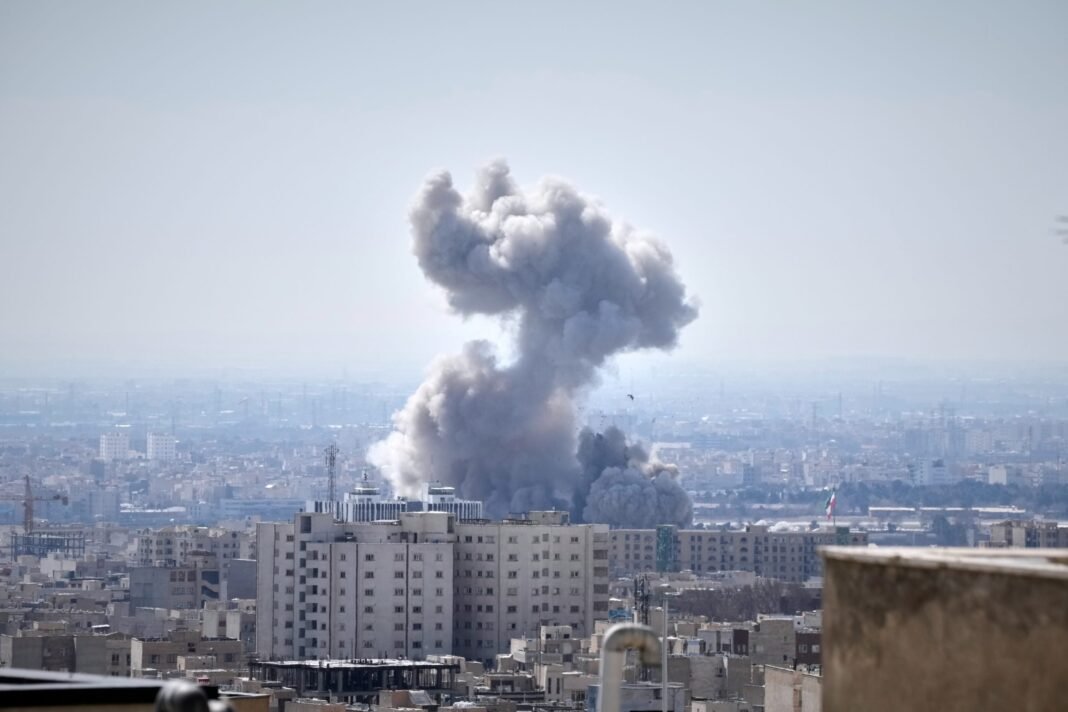
Regional conflict has raised concerns about trade routes and energy markets across the Gulf. Gulf economic resilience, however, continues to support long-term growth strategies in the region. Gulf economic resilience reflects years of investment in infrastructure, diversification, and global economic positioning.
Global markets often react quickly when tensions rise near the Strait of Hormuz. This narrow waterway carries nearly one fifth of global oil and gas flows. As a result, shipping disruptions and higher insurance costs often trigger short-term volatility.
However, focusing only on immediate shocks overlooks a deeper economic transformation. Governments across the Gulf Cooperation Council have spent more than a decade strengthening economic foundations. These efforts aimed to protect national economies from geopolitical risks.
Saudi Arabia and the United Arab Emirates lead many of these reforms. Leaders in both countries invested heavily in infrastructure, logistics networks, and global trade hubs. Their strategies also expanded sectors beyond oil and gas.
Cities such as Riyadh, Dubai, Abu Dhabi, and Doha now operate as global economic centers. These cities host international finance, tourism, aviation, and technology industries. Economic diversification has therefore reduced reliance on hydrocarbons alone.
Sovereign wealth funds across the Gulf also play a significant role in global investment. These funds rank among the largest institutional investors worldwide. Their portfolios support economic growth both inside and outside the region.
Regional conflict still creates real challenges for businesses and governments. Shipping routes and aviation corridors have already faced disruptions during the current crisis. Higher transport and insurance costs have therefore affected logistics and supply chains.
Energy markets remain especially sensitive to events in the Strait of Hormuz. A large portion of global oil and liquefied natural gas shipments pass through this narrow corridor. Prolonged disruptions could influence energy prices worldwide.
Gulf governments anticipated such risks long before the current crisis. Over the past decades, they invested in alternative infrastructure to support energy exports. Pipelines, new ports, and expanded logistics networks help reduce reliance on single maritime routes.
Saudi Arabia’s current approach also reflects this strategic planning. The kingdom has limited direct involvement in the conflict while maintaining economic stability. This approach helps protect investor confidence during uncertain conditions.
Economic reforms in Saudi Arabia continue under the Vision 2030 program. The initiative aims to diversify the economy through tourism, manufacturing, technology, and logistics. Gulf economic resilience strengthens the long-term goals of this national strategy.
Regional governments may even accelerate reforms during uncertain periods. Sovereign wealth funds could increase domestic investment in infrastructure and industrial sectors. Strategic projects therefore continue despite geopolitical pressure.
Investors often balance short-term volatility with long-term opportunity. Temporary disruptions may affect markets, yet structural reforms continue shaping the region’s future. Companies that remain active during uncertainty often gain stronger partnerships.
Gulf economic resilience ultimately reflects a long-term transformation rather than a short-term response. Years of planning and investment created stronger institutions and diversified economies. These foundations help the region manage shocks without abandoning strategic direction.
The current conflict therefore tests the Gulf’s economic model. Yet the reforms already underway suggest the region will continue moving toward broader economic diversification. Gulf economic resilience remains central to that long-term transformation.