



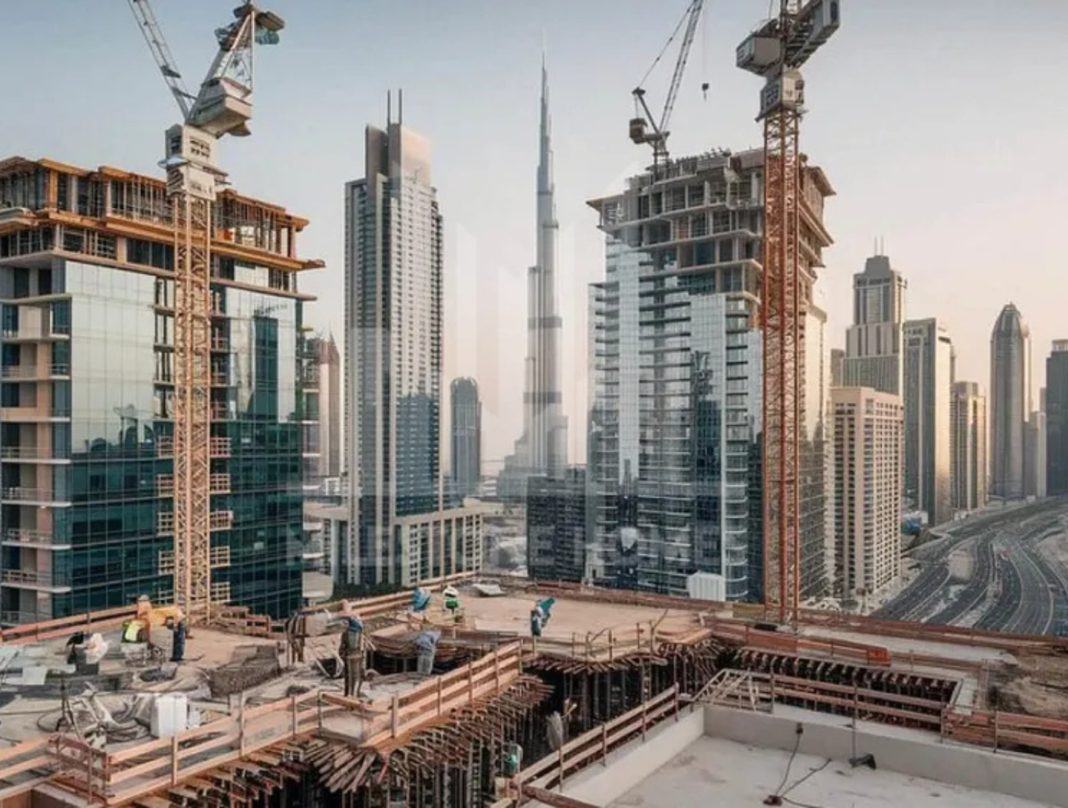
Off-plan sales across the Gulf could face major changes as buyers demand stronger links between payments and construction progress. Developers may also need to commit more capital before collecting substantial amounts from customers.
Ziad El Chaar, chief executive of Dar Global, expects the regional property market to move toward this model. He believes buyers increasingly want greater evidence of construction before making significant payments.
The change could reshape how developers finance major residential projects across the Gulf. Traditionally, developers have relied heavily on customer payments during construction.
However, buyers now appear less comfortable paying large amounts during the early stages. Some payment plans require customers to provide more than half of the purchase price quickly.
That approach can create concerns when construction remains at an early stage. Consequently, buyers may prefer payment schedules that follow actual construction milestones.
El Chaar expects this trend to become increasingly important across regional property markets. He also sees the Gulf moving closer to practices established in several European markets.
In those markets, developers generally carry a larger share of construction costs. Meanwhile, buyers make payments as projects reach specific development stages.
Such a change could increase funding requirements for Gulf developers. Companies may need stronger balance sheets and greater access to project financing.
The shift could also create greater pressure on developers with weaker financial positions. Larger companies may have an advantage because they can provide more upfront capital.
Dubai could experience a particularly significant impact from this potential transformation. The emirate has developed a large market for properties sold before completion.
Off-plan sales represented more than 70% of Dubai property transactions during 2025. Therefore, changes to payment structures could affect a substantial portion of the market.
Under traditional arrangements, developers collect customer payments throughout a project’s construction period. Buyers often pay several installments according to predetermined dates.
The proposed approach would connect those payments more directly with construction progress. Consequently, customers could gain greater confidence before committing additional funds.
This model could also reduce speculative activity within the property market. Investors sometimes purchase units early and attempt to sell them before completion.
El Chaar expects that strategy to become less common globally. Higher upfront requirements could make short-term property flipping more difficult.
Meanwhile, Gulf property markets continue facing broader economic and geopolitical challenges. Regional uncertainty has encouraged some buyers to delay purchasing decisions.
However, delays do not necessarily mean buyers have abandoned the market. Instead, potential customers may simply wait for clearer conditions before committing.
Saudi Arabia could remain relatively resilient because of its large domestic market. Strong local demand provides developers with an important source of support.
Foreign investors also continue showing interest in Saudi property projects. Buyers from numerous countries have expressed interest in developments during 2026.
International demand includes investors from Europe, North America, Asia, and other regions. This diversity could help support the Gulf property sector during uncertain periods.
At the same time, developers face increasing construction costs and financing pressures. Supply chain disruptions have also created additional challenges for some projects.
Developers may therefore need to balance customer expectations with rising project expenses. Maintaining construction schedules can require additional financial commitments.
Dar Global has already provided advance payments to contractors requiring additional liquidity. The company used those payments to help keep construction activity moving.
The approach highlights the importance of strong financial resources during challenging market conditions. Developers with sufficient liquidity can respond faster when contractors face cash shortages.
Saudi Arabia has also introduced changes affecting property ownership and payment structures. These developments could support a gradual shift toward greater buyer protection.
Construction-linked payments can provide customers with clearer connections between their financial commitments and project progress. Such arrangements may also encourage developers to maintain construction momentum.
For developers, however, the model requires greater financial discipline. Companies must secure sufficient funding before receiving large customer payments.
This could encourage more cautious project launches across the Gulf. Developers may focus increasingly on projects with strong demand and reliable financing.
At the same time, buyers could benefit from greater transparency throughout the construction process. They may feel more comfortable committing funds when projects show visible progress.
The potential transformation does not necessarily threaten Gulf property demand. Instead, it could change how developers and buyers share financial responsibilities.
As regional markets mature, customers may increasingly prioritize payment security and construction visibility. Developers could respond by offering structures that better reflect project progress.
Ultimately, off-plan sales remain an important part of the Gulf property market. However, the traditional funding model could gradually evolve.
Developers may need stronger balance sheets and greater capital commitments in the future. Buyers, meanwhile, could gain more protection through construction-linked payment schedules.
The transition could reshape investment strategies across Dubai, Saudi Arabia, and other Gulf markets. It may also reduce speculative activity while encouraging more sustainable development practices.
Off-plan sales could therefore enter a new phase across the region. The companies that adapt quickly may gain an advantage as buyer expectations continue changing.
For Gulf property markets, the coming years could bring a stronger focus on financial resilience. Construction progress, buyer confidence, and developer funding will likely become increasingly connected.

