



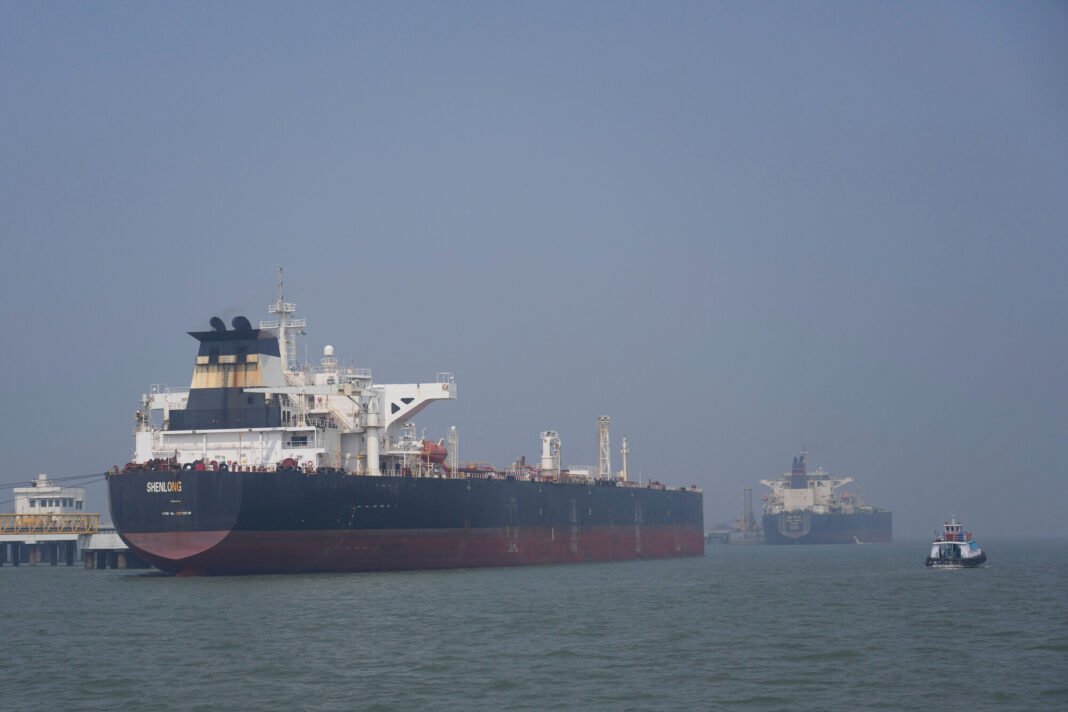
Gulf oil exports are approaching pre-war levels despite rising attacks and shipping costs. However, stronger shipment volumes do not mean regional oil markets have returned to normal. Producers continue moving crude while facing higher security, transportation, and insurance expenses. Meanwhile, exporters are using discounts and alternative shipping methods to keep supplies moving.
Middle East oil shipments reached their highest level since the conflict began in February. The latest seven-day average stands at about 18 million barrels per day. That figure remains around 600,000 barrels below pre-war levels. Nevertheless, the recovery shows that producers have adapted to difficult operating conditions.
Several factors have helped maintain crude shipments across the region. Some vessels have reduced their electronic visibility while traveling through higher-risk waters. Producers have also increased ship-to-ship transfers outside the Strait of Hormuz. Additionally, naval protection supports some commercial traffic and helps maintain maritime movement.
Yet, the shipping environment remains extremely expensive for oil companies and traders. Brent crude has traded near $100 a barrel for much of the past week. Before the conflict began, Brent traded near $68 a barrel. Therefore, higher crude prices now reflect both supply concerns and transportation difficulties.
Shipping expenses have also climbed sharply since the conflict started. Very large crude carriers now cost more than $1 million per day to charter. Before the conflict, daily charter costs stood near $100,000. Furthermore, war-risk insurance has added another major expense for companies moving crude.
Higher oil prices can increase revenues for producing countries, but they do not cover every cost. Governments also face greater defense spending during the conflict. In addition, damaged infrastructure and oil facilities require significant repair spending. Consequently, higher crude prices can coexist with wider economic pressures.
Exporters have responded by offering discounts to maintain demand and support shipments. Iraq’s state oil marketer Somo has offered discounts of up to $37 per barrel. The discounts apply to buyers taking October-loading Iraqi crude. They help offset the sharply higher freight costs facing customers.
Saudi Arabia has also reduced crude prices for some Asian buyers. The move reflects the broader pressure facing exporters and their customers. Instead of maximizing revenue on every barrel, producers want to maintain stable market access. Therefore, pricing decisions increasingly consider transportation risks and market stability.
These discounts can help buyers manage higher shipping expenses during the conflict. However, they also reduce the amount exporters receive from each barrel sold. That trade-off highlights the difference between maintaining export volumes and maximizing profits. Producers must balance reliable supply with the growing costs of reaching customers.
At the same time, crude export figures do not capture the entire market disruption. The region still faces a supply deficit accumulated during several months of conflict. Refined petroleum products also remain under pressure in regional and international markets. As a result, strong crude shipments can hide significant problems elsewhere in the energy system.
The cost of transporting oil remains a major concern for market participants. Longer routes, security measures, insurance premiums, and vessel shortages can raise expenses further. These costs can influence the final price paid by buyers. They can also affect how much producers ultimately earn from each shipment.
Political developments may temporarily influence market sentiment and oil price expectations. However, physical market conditions remain especially important as the conflict continues. Traders are watching actual crude flows, shipping activity, and available transportation capacity. Meanwhile, supply risks continue shaping expectations across global energy markets.
The Gulf oil exports recovery therefore provides only part of the broader market picture. Producers have maintained substantial crude flows despite attacks and higher operating expenses. However, exporters must accept additional costs to keep those shipments moving. They also continue using discounts and alternative transportation strategies to support trade.
The situation could change quickly if attacks increase or shipping routes face further restrictions. Conversely, improved security could lower insurance premiums and transportation expenses. A reduction in risk could also ease pressure on buyers and exporters. Until then, oil markets will continue balancing strong physical flows against elevated operating costs.
For now, Gulf oil exports remain close to pre-war levels despite the difficult environment. The figures show that producers have found ways to maintain supply under pressure. However, shipment volumes alone cannot measure the full economic impact of the disruption. Transportation costs, security risks, discounts, and refined product shortages remain important market factors.

