



Gulf war escalation continues to spread across the Middle East as missile and drone attacks strike key infrastructure. Governments across the region remain on high alert as tensions intensify.
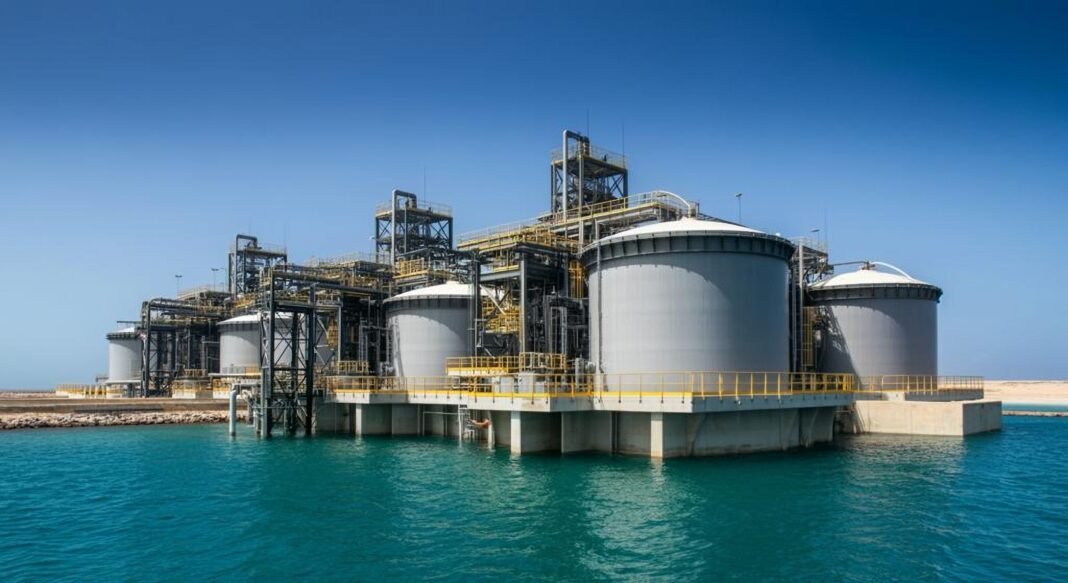
Bahrain reported that a drone strike damaged one of its desalination plants on Sunday. Officials warned that attacks on civilian facilities could increase during the conflict. Desalination plants supply drinking water to millions of people in the Gulf region.
Authorities said the strike caused damage but did not disrupt water distribution. However, the incident raised concern about risks to essential services. Leaders fear that future strikes could target more civilian infrastructure.
Meanwhile, regional conflict continued to expand beyond national borders. Military operations involving Iran, Israel, and the United States have intensified since late February. Airstrikes and missile attacks now affect several countries across the Middle East.
A major Israeli strike hit an oil facility in Tehran overnight. Thick smoke rose across large parts of the capital following the attack. Witnesses described heavy smoke clouds covering the northern areas of the city.
Iranian officials confirmed that several fuel storage tanks and petroleum transfer sites suffered damage. Emergency teams worked quickly to contain fires and secure surrounding areas.
Iranian leaders warned that they would expand military operations across the region. President Masoud Pezeshkian said Iran would respond strongly to continued military pressure. He argued that foreign attacks forced the country to defend itself.
These statements marked a sharper tone from earlier diplomatic remarks. Iranian leaders previously expressed regret about earlier strikes that affected neighboring Gulf countries.
However, political divisions inside Iran quickly emerged. Hardline officials insisted that attacks on regional targets could continue if they supported foreign military operations.
Several Gulf countries reported additional missile and drone activity during the weekend. Defense systems in multiple states intercepted incoming projectiles before they reached major cities.
Authorities in the United Arab Emirates confirmed the interception of numerous drones and missiles. Defense forces destroyed most incoming threats during the aerial engagement. However, a small number of drones landed in isolated locations.
Meanwhile, Kuwait and Bahrain also reported incoming aerial threats. Security forces strengthened surveillance around airports, ports, and energy facilities.
The Gulf war escalation has also affected global markets and energy supply chains. Analysts warn that prolonged conflict could disrupt oil production and transportation routes.
Iranian parliamentary officials said damage to oil infrastructure could create long term industry challenges. They warned that production and exports could become more difficult if attacks continue.
Regional tensions have also expanded into Lebanon. Israeli military operations intensified against Hezbollah positions in several areas. Officials reported growing civilian displacement as communities evacuated affected regions.
Health authorities said hundreds of people have died since the fighting expanded. Thousands of families have fled their homes seeking shelter in safer areas.
Meanwhile, Israel reported injuries after rocket attacks struck central parts of the country. Emergency responders treated several civilians after explosions damaged buildings.
The Gulf war escalation now raises wider concerns about regional stability. Governments across the Middle East continue strengthening defense systems and monitoring strategic infrastructure.
Diplomatic efforts remain limited as military operations continue across multiple fronts. Analysts warn that prolonged fighting could reshape security and economic conditions throughout the region.