


Iran has signaled that Iraq will continue using the Strait of Hormuz despite rising pressure from the United States. The move adds a new layer to the region’s energy and security crisis as Washington intensifies its warnings toward Tehran.
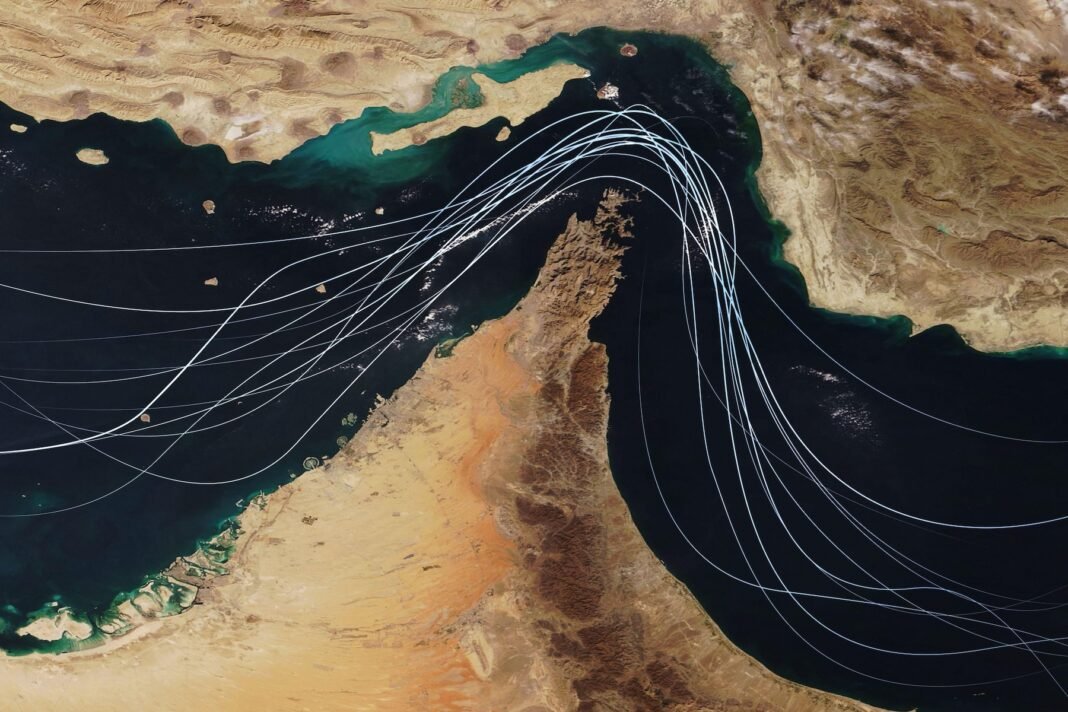
Iranian military authorities indicated that Iraq would remain exempt from restrictions on transit through the Strait of Hormuz. Reports said the decision came as Iran tightened control over the strategic maritime corridor while keeping limited access open for selected countries.
The announcement came just as US President Donald Trump issued a fresh 48-hour ultimatum to Tehran. Trump warned that Iran must either make a deal or reopen the waterway more broadly, or face severe consequences.
This decision matters because the Strait of Hormuz remains one of the world’s most important energy chokepoints. In normal times, around one-fifth of global oil and liquefied natural gas passes through the route, making any access decision highly sensitive for energy markets.
For Iraq, the exemption carries major economic importance. Iraq depends heavily on oil exports for state revenue, and any disruption in maritime access can quickly affect public finances, export flows, and broader economic stability.
Iran’s move may also reflect the close political and economic links between Tehran and Baghdad. Iranian military messaging reportedly described Iraq differently from countries it sees as hostile, suggesting that access through Hormuz may now depend increasingly on political alignment.
At the same time, shipping data has shown some limited improvement in movement through the strait. Vessel traffic has reportedly increased in recent days, although volumes remain far below normal levels seen before the conflict escalated.
That partial recovery has not eased broader concern. Insurance costs remain elevated, freight risk remains high, and energy traders continue to monitor every signal from Tehran and Washington. Therefore, even selective access for Iraq does little to restore wider market confidence.
The exemption could influence regional energy politics. Iraq now sits in a delicate position between the United States and Iran, while also trying to protect its oil exports and domestic stability. That balance may become harder to maintain if military or diplomatic pressure intensifies.
The development also highlights how the Strait of Hormuz has become more than a shipping route. It is now a strategic bargaining tool in a broader regional confrontation involving oil, trade, military pressure, and political leverage.
Markets will closely watch whether Iran extends similar exemptions to other countries or tightens restrictions again. Much will also depend on whether Trump’s ultimatum leads to escalation, diplomacy, or another shift in maritime access rules.
Hormuz access for Iraq remains open, but the wider crisis is far from resolved. As pressure builds on all sides, even limited transit decisions are now shaping the future of Gulf energy flows and regional stability.