



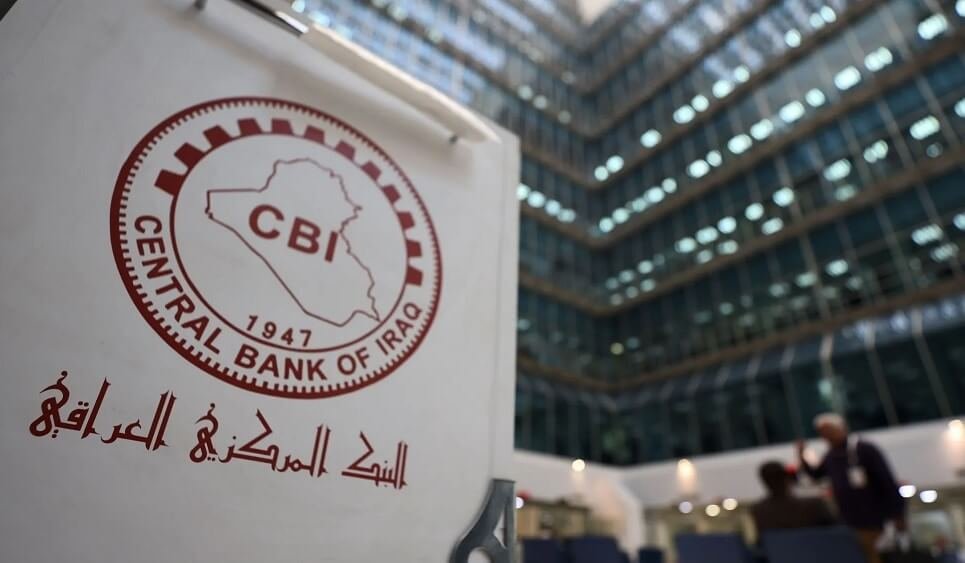
Iraq foreign reserves rose to 108 billion dollars, signaling improved financial stability for the country. Prime Minister Mohammed Shia al-Sudani announced the increase during a televised interview on Tuesday, emphasizing the government’s focus on strengthening economic foundations. Analysts noted that this rise provides the country with greater fiscal flexibility and a stronger buffer against external shocks.
Al-Sudani highlighted that Iraq’s entire external debt exceeds 10 billion dollars, while internal debt reaches nearly 34 trillion Iraqi dinars, equivalent to approximately 26 billion dollars. Despite these obligations, he underlined that Iraq foreign reserves and gold holdings have increased significantly, with gold reserves rising from 130 to 172 tons. This growth reflects effective management of financial resources and supports national economic resilience.
The prime minister also pointed out that future governments will likely need to borrow to cover budget deficits. However, he assured that economic difficulties can be managed without negatively affecting citizens’ livelihoods. In addition, he stressed that no government is completely debt-free, and previous Iraqi budgets have consistently operated with deficits.
According to al-Sudani, Iraq will no longer adopt a three-year budget approach. Instead, officials plan to develop annual budgets that better reflect economic realities and revenue projections. This change aims to improve fiscal planning, enable timely government spending, and enhance accountability across public agencies.
The government workforce currently totals 4.5 million employees, including 2.9 million civilian and military retirees. Social protection allocations amounted to six trillion Iraqi dinars, approximately 4.57 billion dollars. Al-Sudani emphasized that maintaining social programs remains a key priority while managing fiscal pressures.
Economists noted that Iraq foreign reserves provide a strong foundation for future economic reforms and investment planning. They suggested that sustained growth in reserves can support infrastructure projects, stabilize the national currency, and attract foreign investment. Moreover, maintaining adequate reserves is crucial to meet both internal obligations and external debt commitments.
Looking ahead, the government plans to use these reserves strategically to support economic stability, enhance public services, and maintain financial confidence. Officials aim to balance debt management, social spending, and investment in development initiatives. Consequently, Iraq foreign reserves are expected to remain a central pillar of fiscal strategy for the coming years.
By strengthening Iraq foreign reserves and maintaining effective debt oversight, the government reinforces confidence in the country’s economic future. This approach supports fiscal stability while enabling long-term development planning and responsible governance.

