



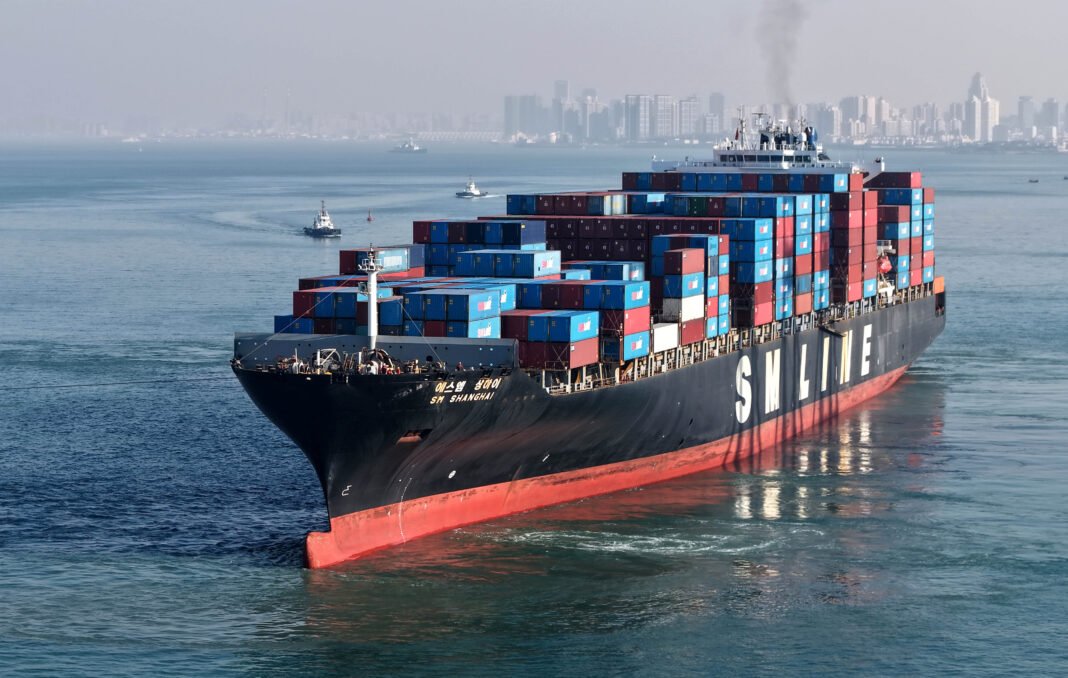
Iraq-China trade became more imbalanced in 2025 as imports increased and export revenues declined. This shift reshaped the overall trade relationship between Iraq and China.
Official data from Iraq’s trade authorities showed clear changes in bilateral exchange. Imports from China rose by 7.5 percent during the year. They reached about 17.02 billion dollars compared to 16 billion dollars in 2024.
At the same time, exports to China declined significantly. They dropped by 11.3 percent to 33.09 billion dollars. The previous year recorded 38.02 billion dollars in exports.
As a result, total trade between both countries decreased by 5.7 percent. The trade surplus also contracted by 24.08 percent. Iraq China trade therefore shifted toward a narrower surplus position.
Imports grew strongly across several industrial sectors. Vehicles and transport equipment recorded a 21.4 percent increase. Electrical appliances also rose by 17 percent. In addition, machinery and heavy equipment increased by 10.09 percent.
Ready-made clothing imports surged by more than 24 percent. Aluminium products also climbed sharply by 45 percent. These categories drove overall import expansion.
Authorities linked import growth to several factors. Lower prices played a major role in purchasing decisions. Greater product variety also encouraged higher demand. In addition, supply chain flexibility supported faster deliveries.
Technological improvements also influenced import trends. Many Chinese goods offered competitive quality and modern features. This strengthened their position in the Iraqi market.
The vehicle sector showed particularly strong performance. Expansion of local dealerships supported higher sales. Availability of spare parts and maintenance services also boosted demand.
Consumer preferences shifted toward private transportation. Weak public transport options further increased vehicle imports. These trends contributed to rising trade volumes in this category.
Despite strong trade activity, structural imbalances emerged. Declining oil export revenues reduced Iraq’s earnings. Meanwhile, imports continued to grow at a steady pace.
Iraq China trade now reflects this changing economic pattern. Officials noted that the relationship remains strong overall. However, they also acknowledged growing pressure on the trade balance.
Policy makers now face key economic challenges. They aim to diversify export sources beyond oil. They also plan to strengthen domestic industrial production.
These steps aim to improve long-term trade stability. They also seek to reduce reliance on imports. Iraq China trade will remain a central focus for future economic planning.
The data shows a shifting but active trade relationship. Imports continue to rise while export dependence on oil remains high. This dynamic continues to shape Iraq’s external economic position.

