



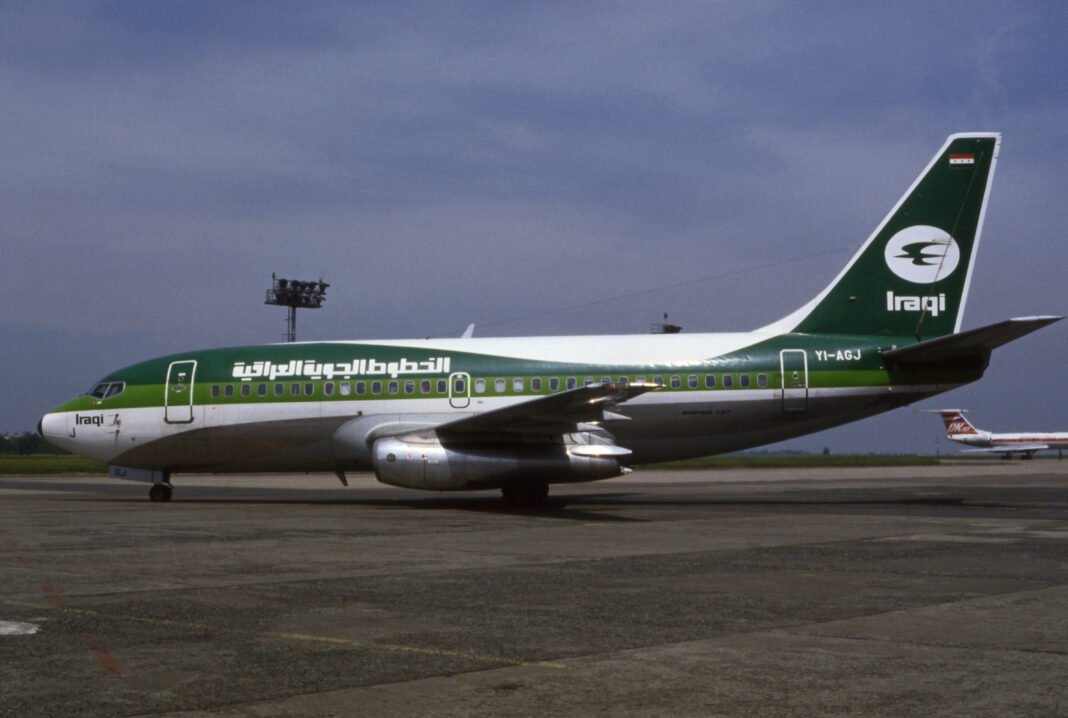
Baghdad – Iraq’s national carrier, Green Bird, remains banned from European skies a decade after the EU imposed restrictions over safety concerns. The ban highlights the ongoing challenges Iraq faces in meeting international aviation standards and restoring its air connectivity with Europe.
The European Union first barred Green Bird in 2015, citing significant safety gaps and regulatory shortcomings. Despite repeated reform efforts and costly modernization programs, the airline has yet to meet EU requirements. Iraqi officials continue to pursue corrective measures to regain access to the European market.
Meitham al-Safi, spokesman for Iraq’s Ministry of Transport, explained that lifting the ban requires two critical certifications: the IATA Operational Safety Audit (IOSA) and the Third Country Operator (TCO) authorization. “We focus on correcting IOSA-identified gaps and securing the TCO certificate,” al-Safi said.
Over the past several years, Green Bird has implemented a comprehensive Safety Management System. The airline also enhanced aircraft monitoring, updated operational manuals, and adopted an electronic flight bag system for pilots. In addition, it upgraded maintenance software, improved quality assurance, and contracted international companies for ground and cargo services.
Al-Safi reported that nearly 79% of IOSA’s corrective actions are complete, allowing EU regulators to begin reviewing Iraq’s progress. The airline also engages IATA consultants and international service providers to meet global standards faster.
However, Brussels remains cautious. In June 2025, the EU extended the ban for another six months, citing gaps in safety oversight and regulatory enforcement. A 2024 ICAO audit rated Iraq among the lowest Middle Eastern nations for aviation safety implementation. The World Bank also ranks Iraq’s airport infrastructure behind regional peers such as Saudi Arabia and the UAE.
The ban carries significant economic and social costs. Aviation experts estimate Iraq loses $2 to $3 billion annually due to indirect expenses from rerouted flights. Millions of Iraqis living abroad face longer travel times and higher costs, affecting family visits and medical trips.
In response, Iraqi Airways has expanded regional routes and forged new service partnerships. Experts note that countries like Indonesia and the Philippines regained EU access after improving aviation systems, offering a roadmap for Iraq.
Looking forward, Iraqi authorities remain committed to modernization, aiming to restore Green Bird to European skies. Success would strengthen Iraq’s economic prospects and enhance its global aviation reputation.

