



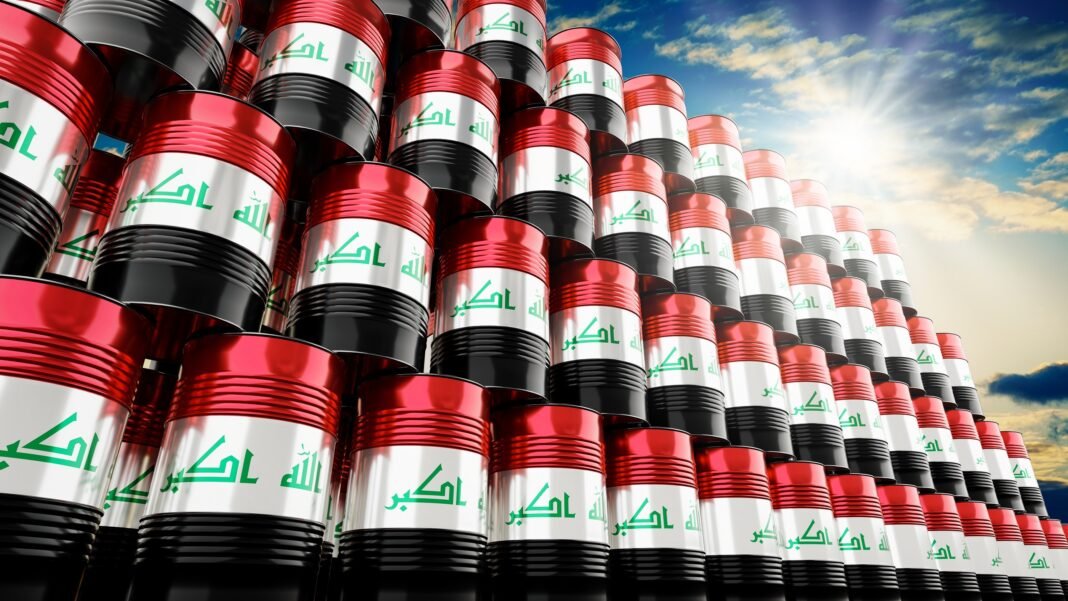
Global oil supply experienced a significant disruption on Monday as multinational energy corporations initiated emergency evacuations from southern Iraq. Major service firms, including Halliburton, KBR, and SLB, moved their foreign personnel out of the country due to deteriorating security. This exodus follows the escalating conflict between regional powers and growing threats to industrial infrastructure.
Consequently, Iraq’s total output has plummeted by nearly 60% as operators shutter key fields across the nation. This sudden withdrawal of expertise and labor creates a massive void in the global oil supply chain. Analysts warn that without these essential workers, maintaining current infrastructure will become nearly impossible for local authorities.
Data from the Iraqi Oil Ministry reveals that production now stands at only 1.3 million barrels per day. This represents a staggering loss compared to the 3.3 million barrels produced before the current war began. Kazem Abdul Hassan Karim, a senior ministry official, confirmed that the closure of export routes forced these drastic shutdowns.
Furthermore, a drone strike recently targeted the Burjesia oil area near Basra, damaging several logistics warehouses. Although the attack spared the actual production wells, it severely disrupted the support systems for the global oil supply. This atmosphere of constant threat makes long-term operational planning extremely difficult for the remaining regional staff.
The disruption extends to the northern Kurdish region where authorities also reported significant production halts. A drone attack on the Sarsang area forced HKN Energy to stop all operations at its local fields last Friday. These coordinated strikes on energy assets have pushed global markets into a state of total panic this week.
Specifically, Brent crude prices surged by over 26% to reach $117.08 per barrel on March 7. This mark represents the highest price level seen by the industry in nearly four years. As a result, the global oil supply crunch is now directly impacting fuel costs for consumers worldwide.
Industry experts suggest that the departure of Western oil majors could lead to a permanent decline in Iraqi output. Many of these fields require advanced technology and constant maintenance to prevent natural pressure loss. Transitioning to local management may slow down the decay, but it cannot replace the specialized services of global firms. In addition, the lack of secure export corridors through the Persian Gulf remains the primary obstacle to any recovery.
Therefore, the global oil supply will likely remain constrained until a diplomatic solution secures the regional maritime routes. Governments in Europe and Asia are already looking for alternative sources to replace the missing Iraqi barrels.
Looking ahead, the Iraqi Oil Ministry plans to implement a skeleton crew strategy to keep basic facilities alive. However, most traders expect the market to remain volatile as long as the threat of drone warfare persists. The G7 and other major economies are currently weighing the impact of these production losses on their domestic growth.
Meanwhile, local security forces have increased patrols around the Basra energy hubs to prevent further warehouse sabotages. The next few weeks will determine if Iraq can stabilize its remaining output or if the global oil supply will shrink further. Until the foreign technicians return, the world faces a prolonged period of high energy prices and supply uncertainty.

