



Kuwait economic growth strengthened in November as non-oil output expanded and new business orders surged, according to S&P Global. The latest data highlights the resilience of the country’s private sector amid rising input costs.
The S&P Global Kuwait PMI rose to 53.4 from 52.8 in October, reaching a four-month high. This reading signals continuous improvement in business conditions, with the index staying above the 50-point no-change mark since September 2024.
New business increased at the fastest pace in four months, supported by competitive pricing and targeted marketing strategies. Export orders also rose, as firms reported that high-quality products at attractive prices helped draw international customers.
Output expanded for the 34th consecutive month, with growth reaching its strongest level since June. Companies also increased staffing to meet project deadlines, although job creation remained modest relative to rising workloads. Consequently, backlogs accumulated at the fastest pace since June 2024.
Meanwhile, input cost inflation accelerated to a five-month high, driven by higher electricity, rent, transportation, printing, and wage expenses. Despite this, companies raised output prices only modestly to maintain competitiveness, though inflation still reached a 17-month peak.
Purchasing activity rose at its fastest pace in five months, while inventory accumulation hit the highest level in a year. Firms aimed to stockpile materials to respond quickly to client demands. Suppliers’ delivery times shortened significantly, to the greatest extent since June.
Business optimism improved for the third consecutive month, reaching an 18-month high. Many companies cited marketing strategies and competitive pricing as key drivers supporting the positive outlook. “The ability of firms to price competitively could be tested soon as cost pressures continue to rise,” said Andrew Harker, economics director at S&P Global Market Intelligence.
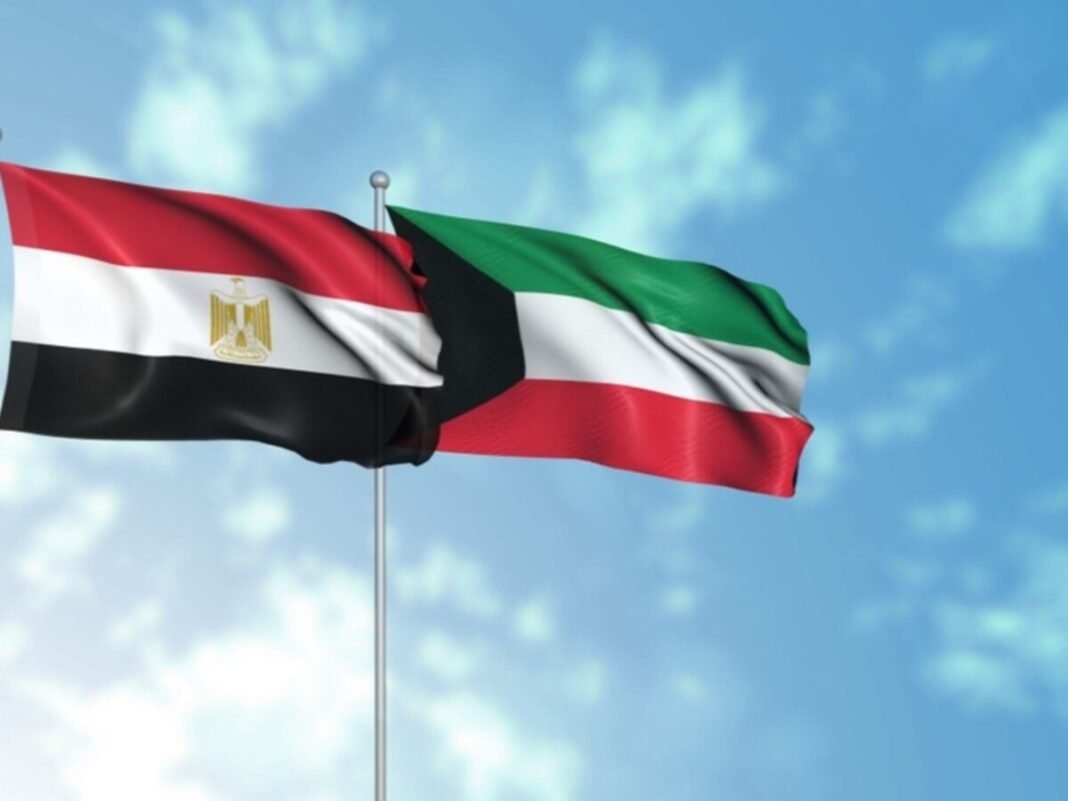
In parallel, Kuwait reinforced its financial ties with Egypt by renewing a $2 billion USD deposit with the Central Bank of Egypt (CBE) for one year, extending maturity to April 2026. This renewal is part of Kuwait’s broader commitment to regional financial stability and international cooperation.
The CBE currently holds two Kuwaiti deposits totaling $4 billion USD, while total foreign deposits reached approximately $9.3 billion USD as of June, split between Saudi Arabia ($5.3 billion) and Kuwait ($4 billion).
Overall, Kuwait economic growth shows strong momentum, driven by non-oil private sector expansion and strategic financial partnerships. These developments reinforce the country’s role as a regional hub for investment and trade.

