



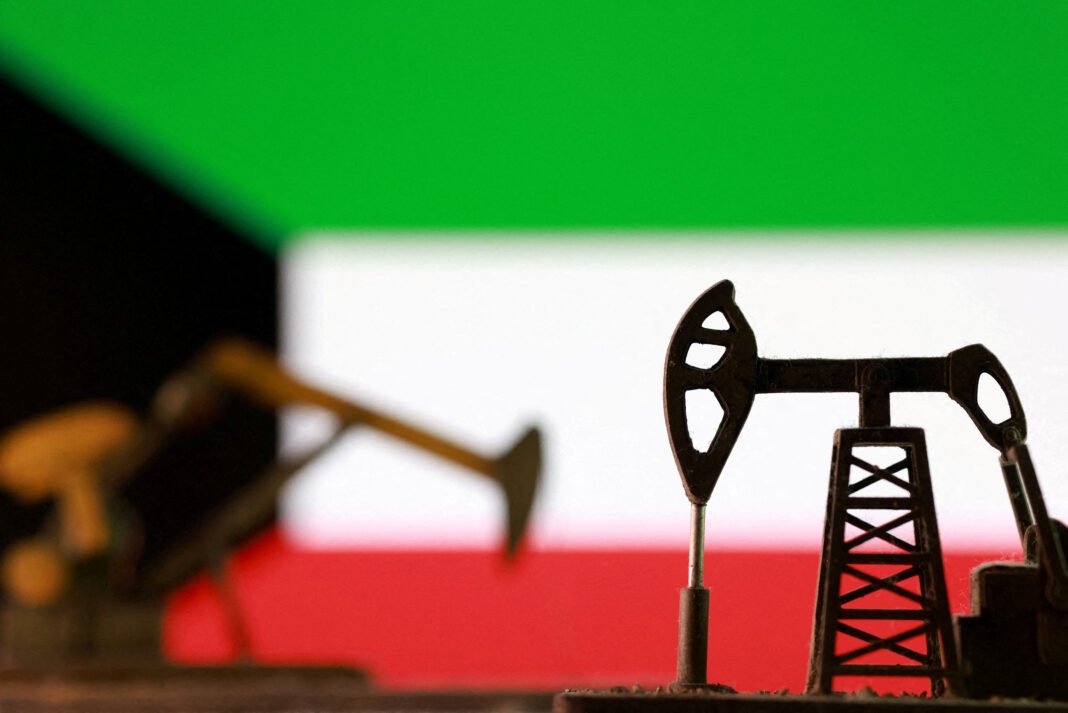
Kuwaiti oil prices recorded a sharp decline in the latest trading session, reflecting broader weakness across global energy markets as crude benchmarks moved lower.
According to figures released by the Kuwait Petroleum Corporation (KPC), the price of Kuwaiti oil fell by $4.40 per barrel on Wednesday. As a result, the price settled at $101.84 per barrel, compared to $106.24 per barrel in the previous trading session.
The decline comes amid continued volatility in international oil markets. Furthermore, traders remain focused on global supply conditions, economic developments, and changing market sentiment.
Global benchmark crude prices also moved lower during the session. Brent crude futures dropped by $2.80 to settle at $91.45 per barrel.
Likewise, US West Texas Intermediate (WTI) crude futures declined by $3.10. Consequently, WTI closed at $88.20 per barrel at the end of trading.
The latest decline follows a period of significant fluctuations in oil markets. Investors continue monitoring geopolitical developments, supply disruptions, and economic indicators that could influence future demand.
In addition, energy markets remain sensitive to inflation concerns and changes in monetary policy. Therefore, traders are closely watching economic data from major consuming nations.
Oil prices have experienced strong volatility in recent months. While supply concerns previously supported higher prices, market sentiment has recently shifted toward caution.
Meanwhile, analysts continue assessing the balance between global supply and demand. As a result, crude benchmarks have responded quickly to changing expectations across international markets.
The movement in Kuwaiti oil prices reflects broader trends affecting the global energy sector. Furthermore, price changes in major benchmarks often influence the value of crude exports from oil-producing countries.
Market participants will continue monitoring upcoming economic reports and developments in global energy markets. Consequently, oil prices may remain volatile in the near term.
Despite the latest decline, oil prices remain at relatively elevated levels compared to historical averages. Therefore, the energy sector continues to play an important role in supporting revenues across major oil-exporting economies.